The Ioannina Romaniote Synagogue is one of the most extraordinary Jewish heritage sites in Europe. Hidden within the old fortified quarter of Ioannina in northern Greece, this remarkable synagogue preserves customs, melodies and religious traditions that predate both Ashkenazi and Sephardi Judaism. A visit here is not merely a stop on a heritage itinerary. It is an encounter with one of the oldest surviving Jewish cultures in the world, where centuries-old Torah scrolls, unique liturgical traditions and memories of a vanished community continue to echo beneath an Ottoman-era dome.
Today, direct flights from Israel to Ioannina are available, eliminating the need for a stopover in Athens.
The Last Living Home of Romaniote Judaism
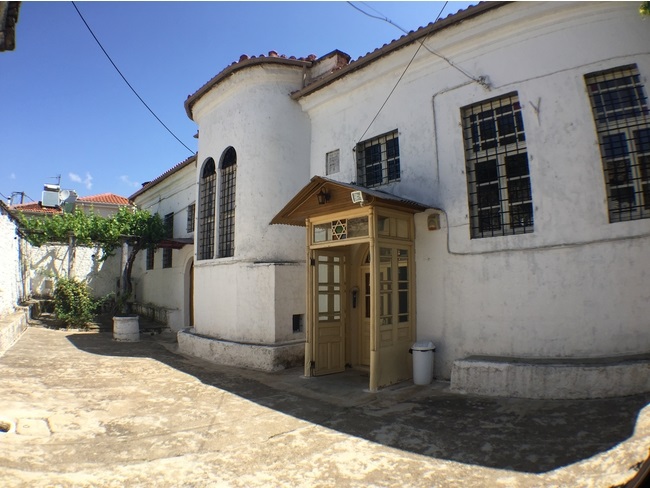
A trip to the city of Ioannina in north Greece, can also be an exciting spiritual experience, due to a unique Jewish tourist site: the "Kahal Kadosh Yashan" (old holy congregation) synagogue of the Romanyotis community. This is the last synagogue in the world that preserves the Romanyotis special traditions, some of which can only be seen in this synagogue.
A Synagogue Unlike Any Other in the Jewish World
At the entrance to the synagogue we see that it is large and wide. Contains 400 seats arranged in a unique manner, where the worshipers sit back to back. The worshipers do not sit facing the Holy Ark (ARON KODESH) like our Ashkenazic synagogues, nor do they turn to the BIMA reading stage as in our Sephardic synagogues.
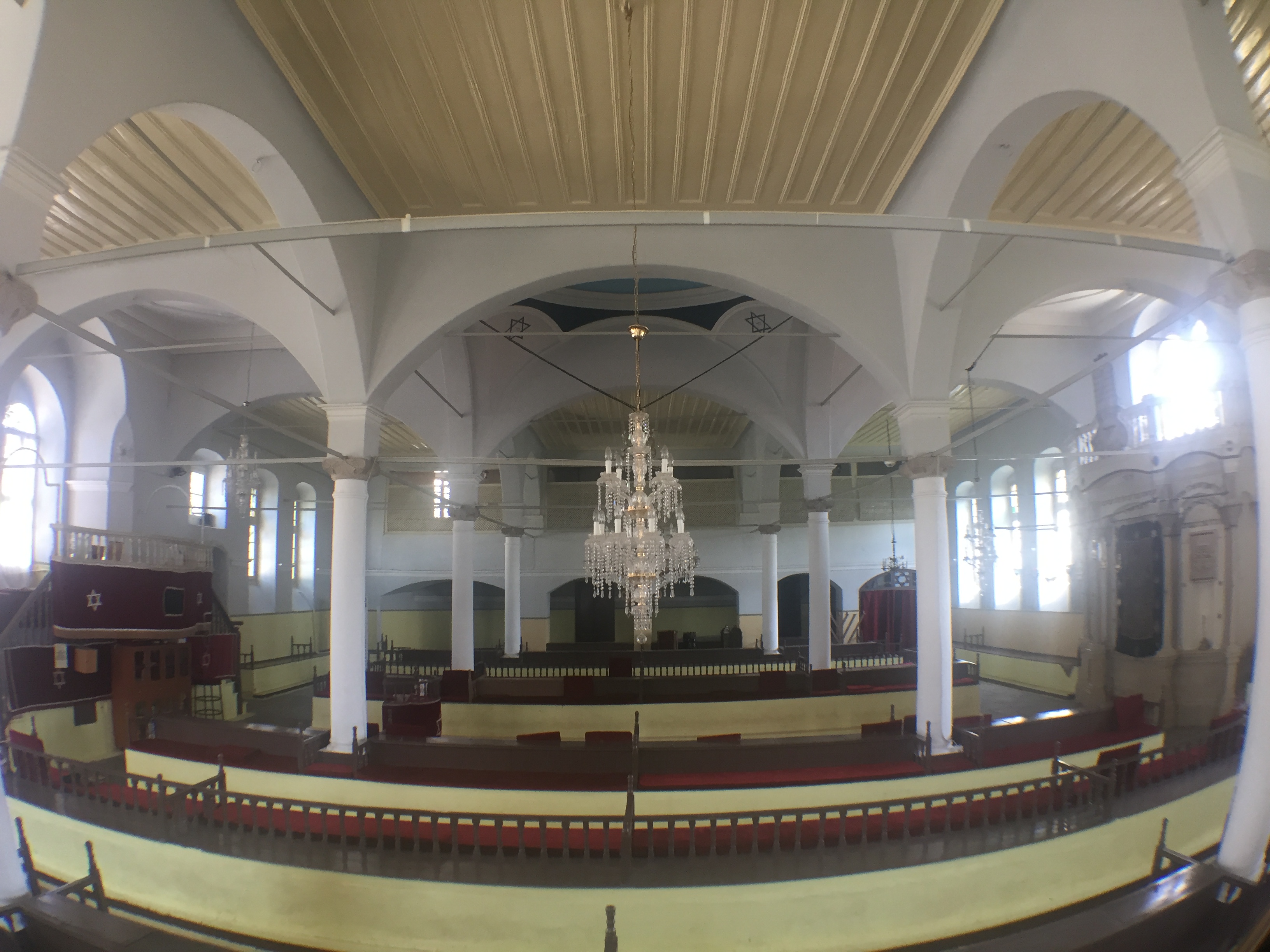
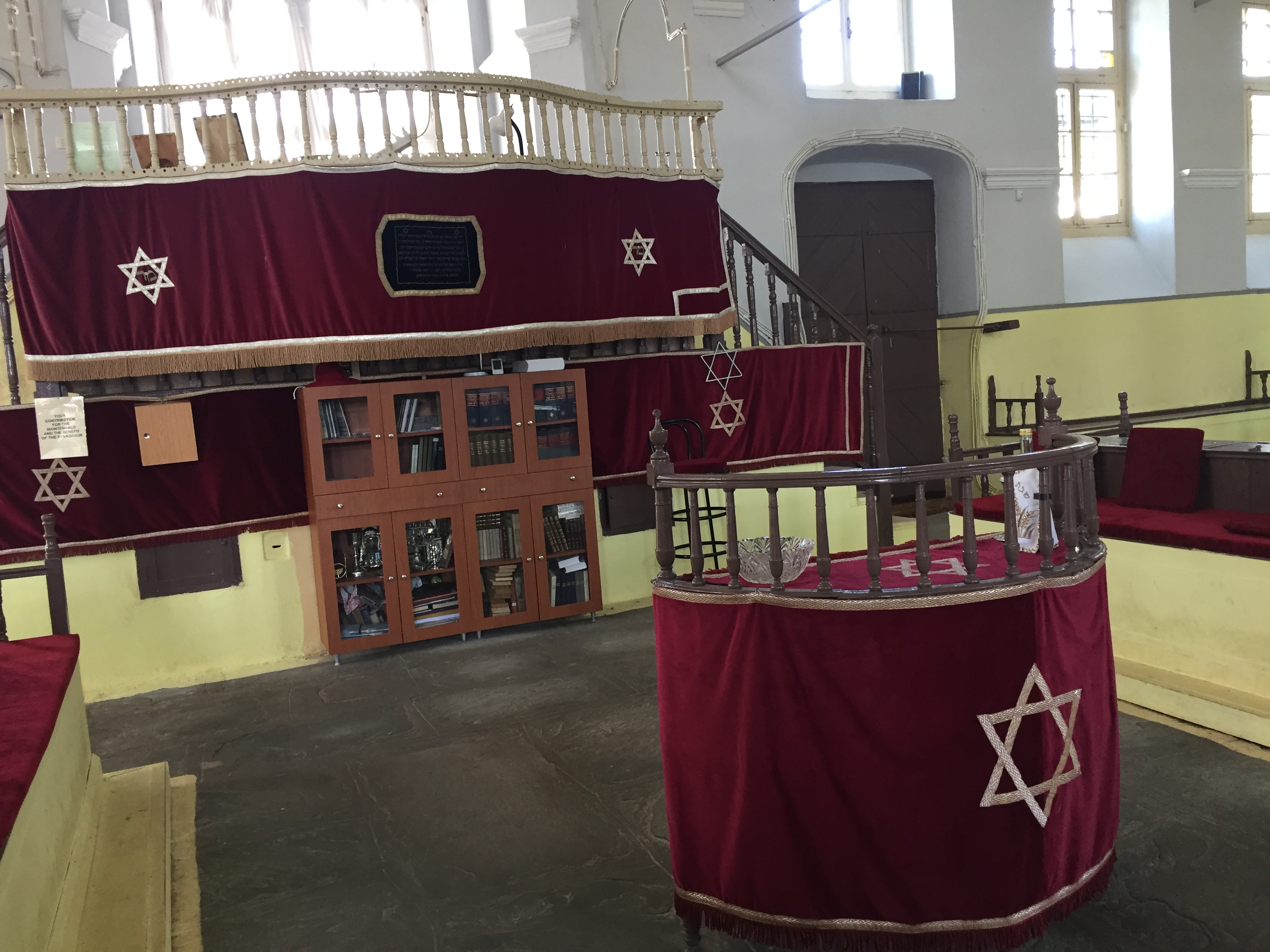
The Holy Ark is in its place, but firstly we don't see the stage and table for reading the Torah, nor a podium for the cantor. Only after searching, we find the reading platform on the western wall, opposite the Holy Ark and far from it. The platform is raised in 7 steps. The cantor's podium is located at the foot of the Bima, a great distance from the Holy Ark. Thus, the Romanyotis communities used to observe the verse "ממעמקים קראתיך" "from the depths I call you".
Ancient Torah Scrolls and Silver Shadayot
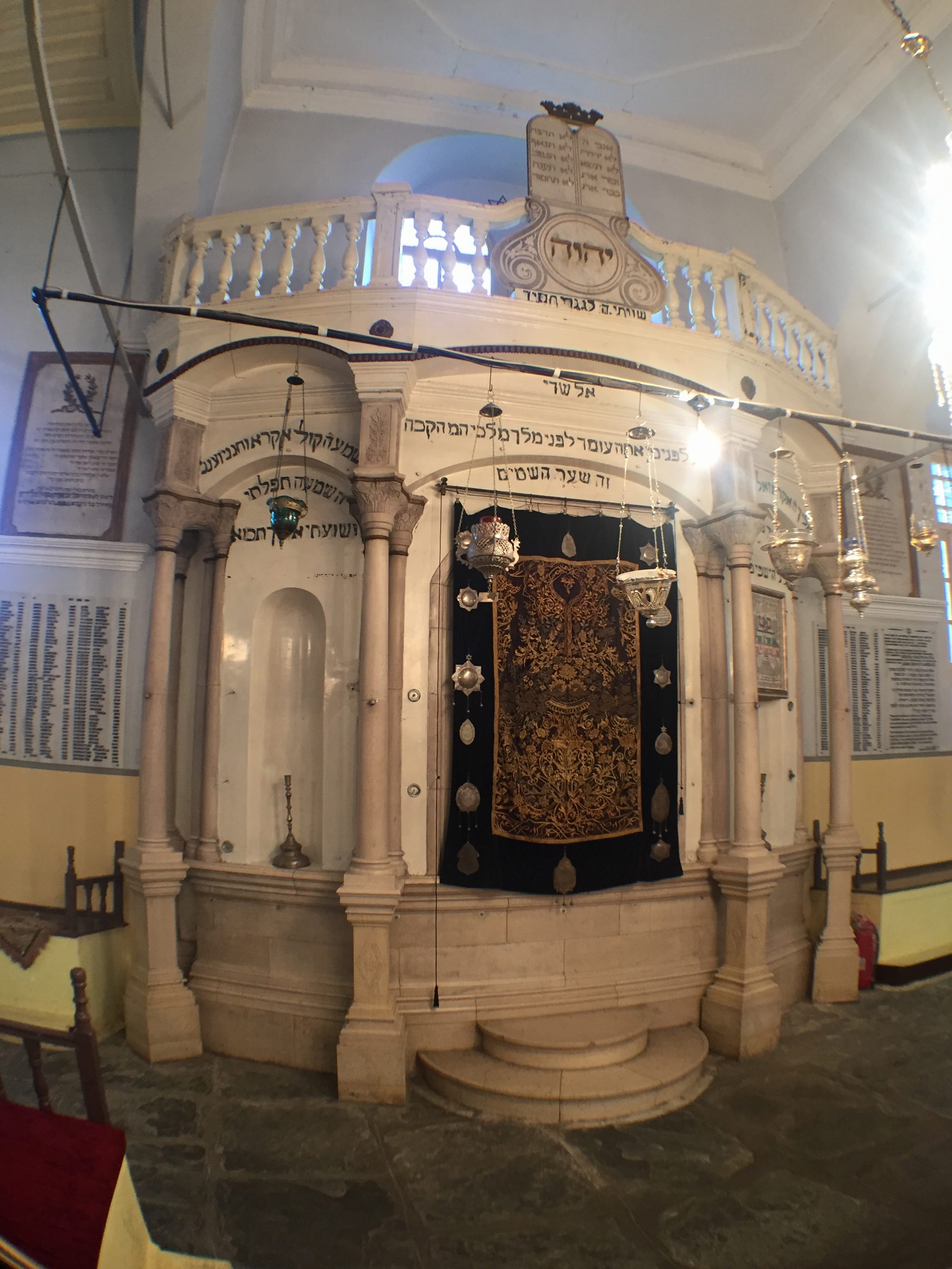
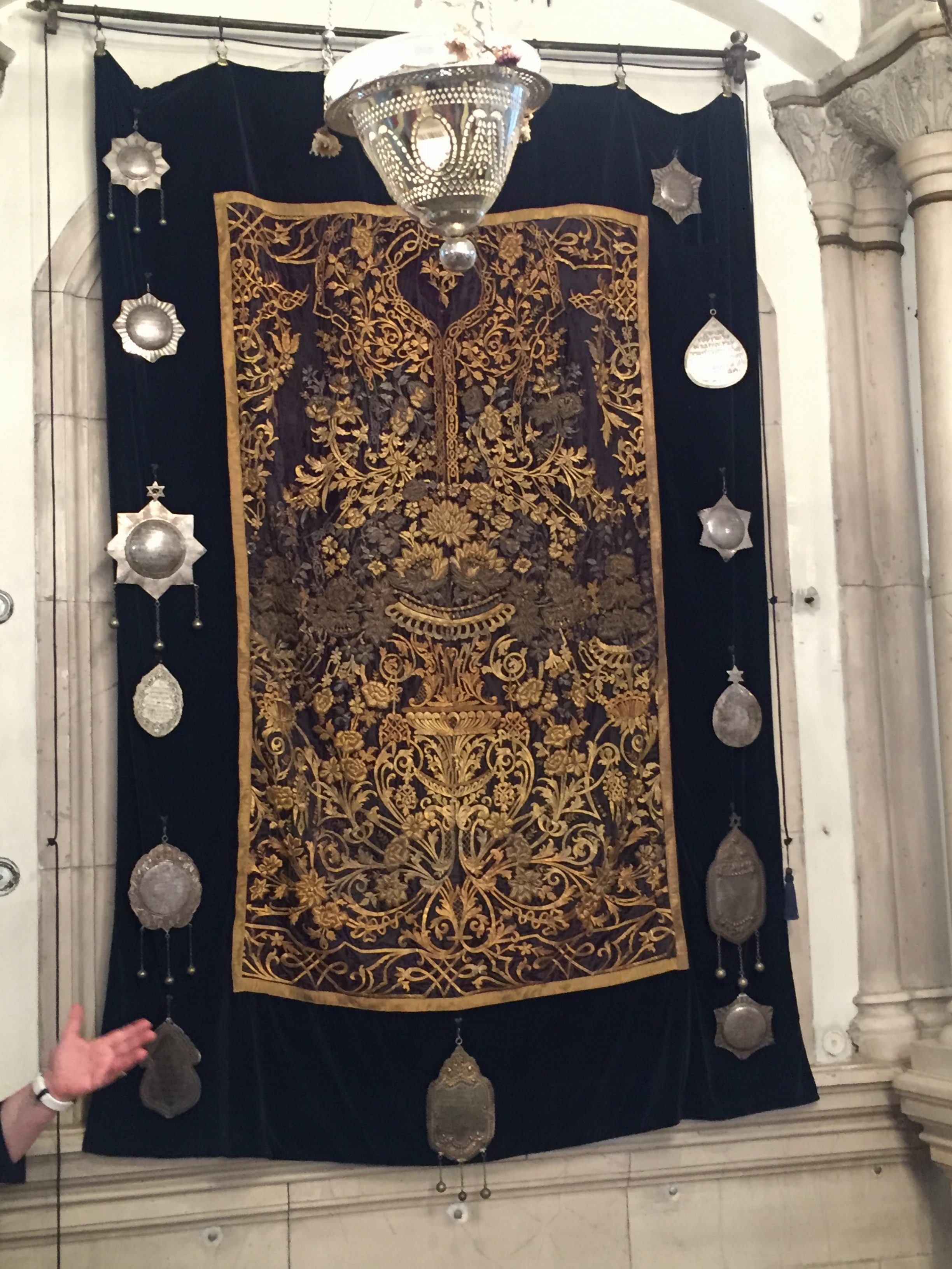
We approach the ark and see special silver small plates on the Torah Curtain (PAROCHET), sized of a palm. These are traditional "Shadayot". It was a custom in Ioannina to donate a silver plaque to the synagogue to commemorate family events. The name "Shadaya" comes from the words "El Shadday" "ק-ל שדי" that is engraved at the beginning of all plates. The silver plates were embroidered into the Torah Curtain.


The Symbolism of the Ioannina Rose
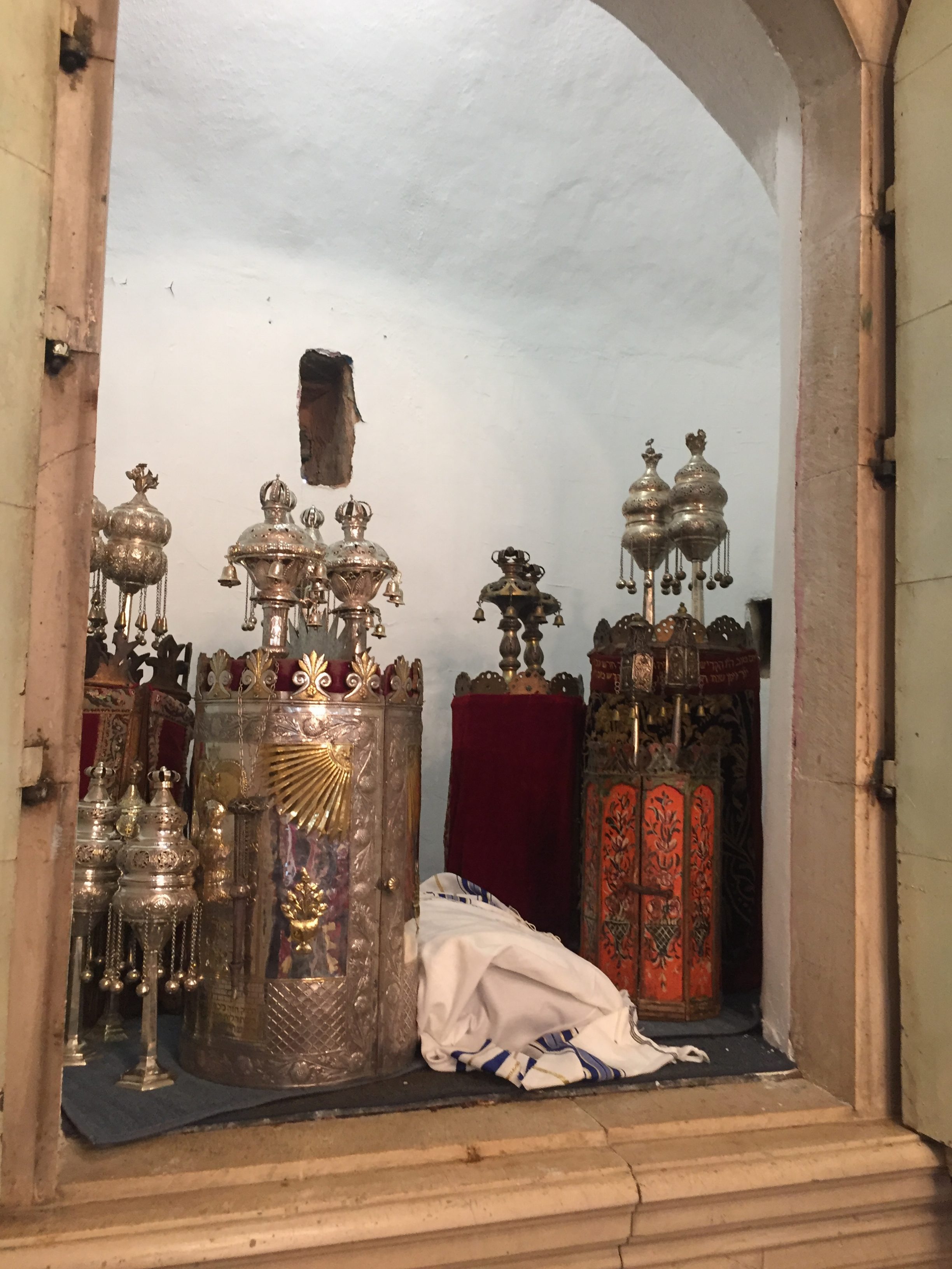
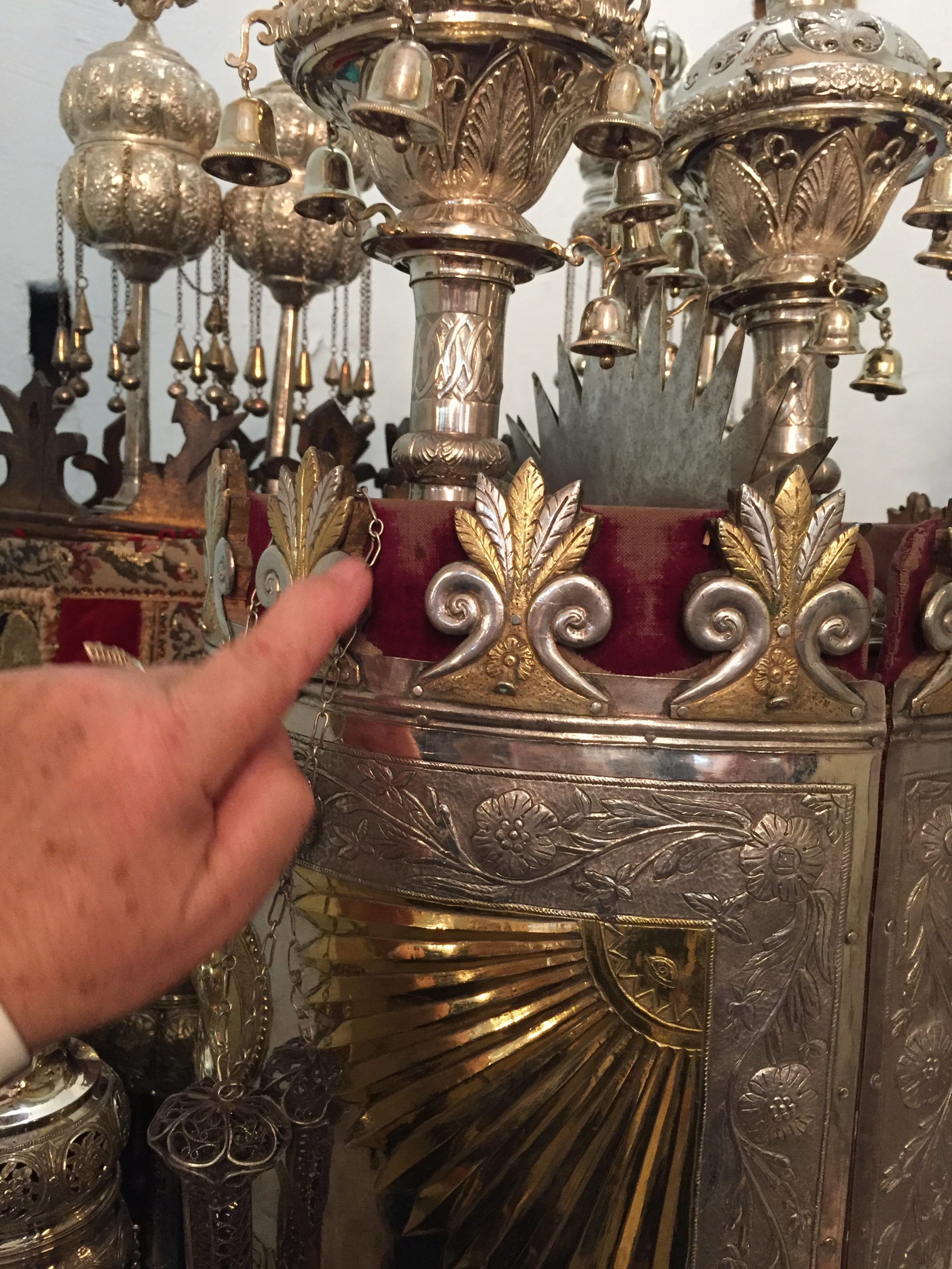
The Holy Ark contains 6 Torah scrolls, some of which are ancient, while the oldest is about 500 years old. The books are stored in box with gold and silver plating, with special decorations. The symbol of Ioannina is rose, and we can see many "Ionnina Roses" engraved on Torah's silver covers.
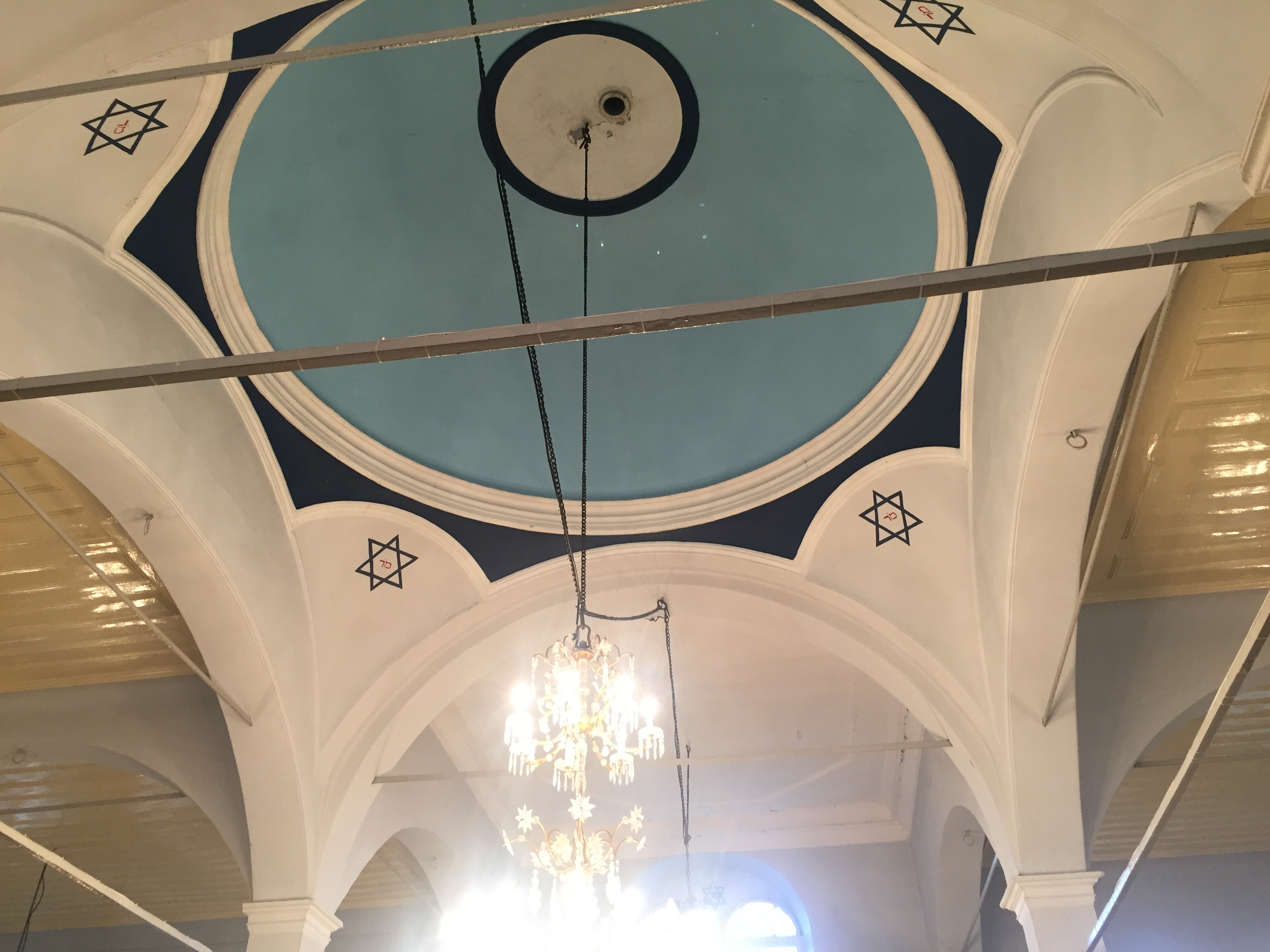
In the center of the synagogue's ceiling there is a large dome, which stands on 8 pillars. The original synagogue was built in the eighth century. It was destroyed several times by earthquakes, and rebuilt. The last time the synagogue was rebuilt was in 1826. The cornerstones of the synagogue are dated to the eighth century. The black floorboards that we stand on are from the 13th century.
The Story of the Romaniote Jews
When the Romans destroyed the Temple in Jerusalem in the first century, many of Judea people were taken to be slaves in Rome. Some of them escaped from the convoys of captives, other jumped from the ships and swam ashore, and others fled from their masters in Rome to return to Judea. They joined Jewish communities that were in existed in Greece even in the days of the Second Temple. These communities are mentioned in the Bible in the Book of Joel (4/6): "The children of Jerusalem have ye sold unto the Grecians". The prophet Isaiah says "I will send some of those who survive to the nations, to Tarshish to Tubal and to Greece" (66/19).
The local Jews called them "Romanyotis" from the word "Rome". The Romanyotis became dominant in Greek Jewry.
Jewish Roots in Greece Before the Sephardim
During the period of the expulsion of the Jews from Spain and Portugal, many of them also arrived in the Greek cities and joined the local Jewish communities. Ioannina was one of the only places where Spanish deportees were not successfully absorbed. The rabbis of Ioannina did not like the "liberal" Sephardic customs. The deportees felt unwanted in Ioannina and moved to other places.
After the First World War many of the Jews of Greece emigrated. About half of Ioannina Jews moved to Jerusalem, New York, Athens, and Bucharest. Everywhere they established a synagogue where they prayed in the tradition of their forefathers. Jewish merchants from Ioannina also established a synagogue in the "Nachlaot" neighborhood of Jerusalem,
Holocaust Tragedy and the Survival of a Community
During World War II the Germans rounded up the city's 1,980 Jews on the "Shabbath HaGadol" of 1944 and sent them to Auschwitz. 96% of the Jews of Ioannina were murdered in the Holocaust. Only 112 Jews survived and returned to their town to rebuild the community. Today, only 20 women and 15 men are members of Ioannina's Jewish community. Most of them are over 60 years old.
Vanishing Traditions of Ioannina
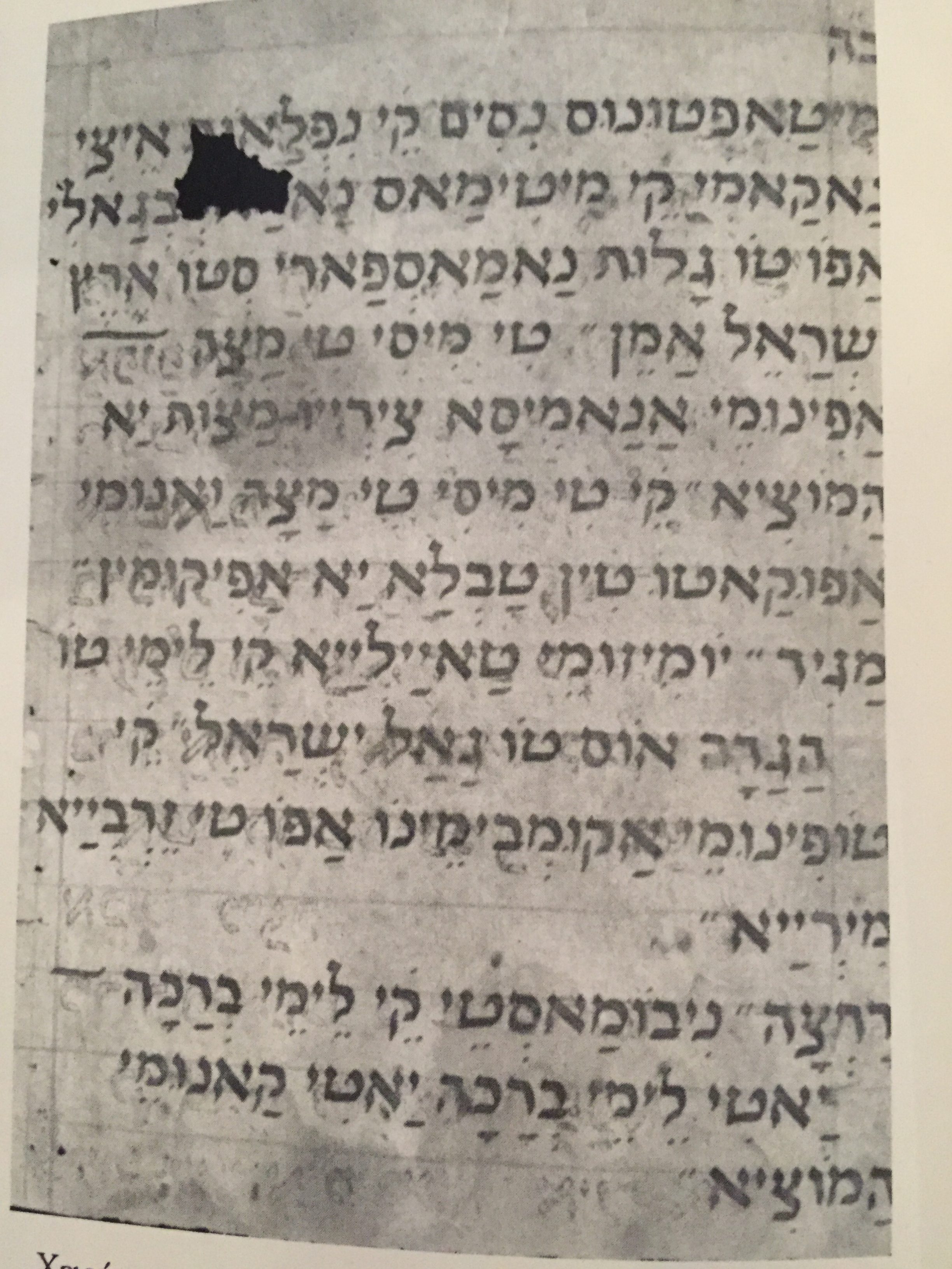
In the old Siddurim in the synagogue, I found few minor differences between theRomanyotis version of the prayer and our Siddur. They have many unique Piyutim songs, some are said after "Lecha Dodi" in Shabbath service. Some of the Piyutim written one line in Hebrew, followed by a line in Greek, and so forth. The verse in Greek are also written in Hebrew letters. The Greek is not a translation of Hebrew, but an integral part of poetry. Many of their Halacha's books are written in Greek language with Hebrew letters.
They have special Piyutim for weddings and Brit Mila. One of the most beautiful Piyutim is the "Kaddish" prayer. They're singing it like an oratorio that starts at a sad and slow Adju rhythm, and the last verses change to a quick and cheerful Allegro rhythm.
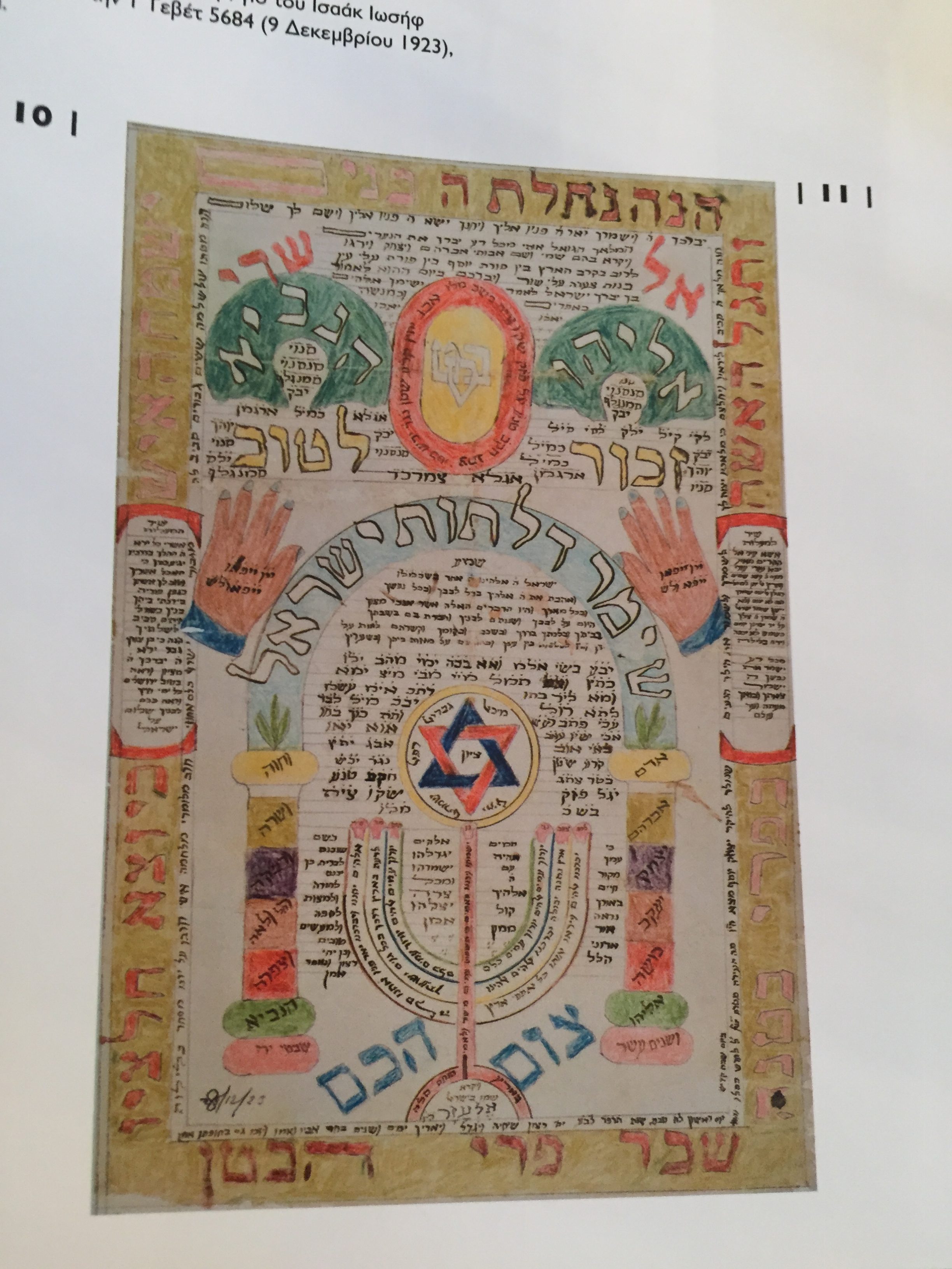
Another Romanyotis traditions that I was privileged to meet in the synagogue are the "Aleph" and the "Yevarech". When a baby is born, they're hanging on his bed a sheet of paper or a leather with colored verses and decorations. On the day of the Brit Mila, a line is added at the bottom of the page with the name given to the toddler and the names of his parents and the date of his birth. This page is called "Aleph," and is considered to be like a birth certificate. When a girl was born they perform a ceremony called "Yevarech" and bring the baby to the synaguge dressed in a white dress like a little bride.
On the beginning of the month of Adar, in Ioannina they celebrated "Yirtaman" with a ceremonial tradition. The Jewish children used to pass through the streets singing in Greek "In two more weeks is Purim, and a month after that there will be Passover." The children would knock on Jewish houses doors, who would drop candy into special cloth bags that the children wore around their necks.
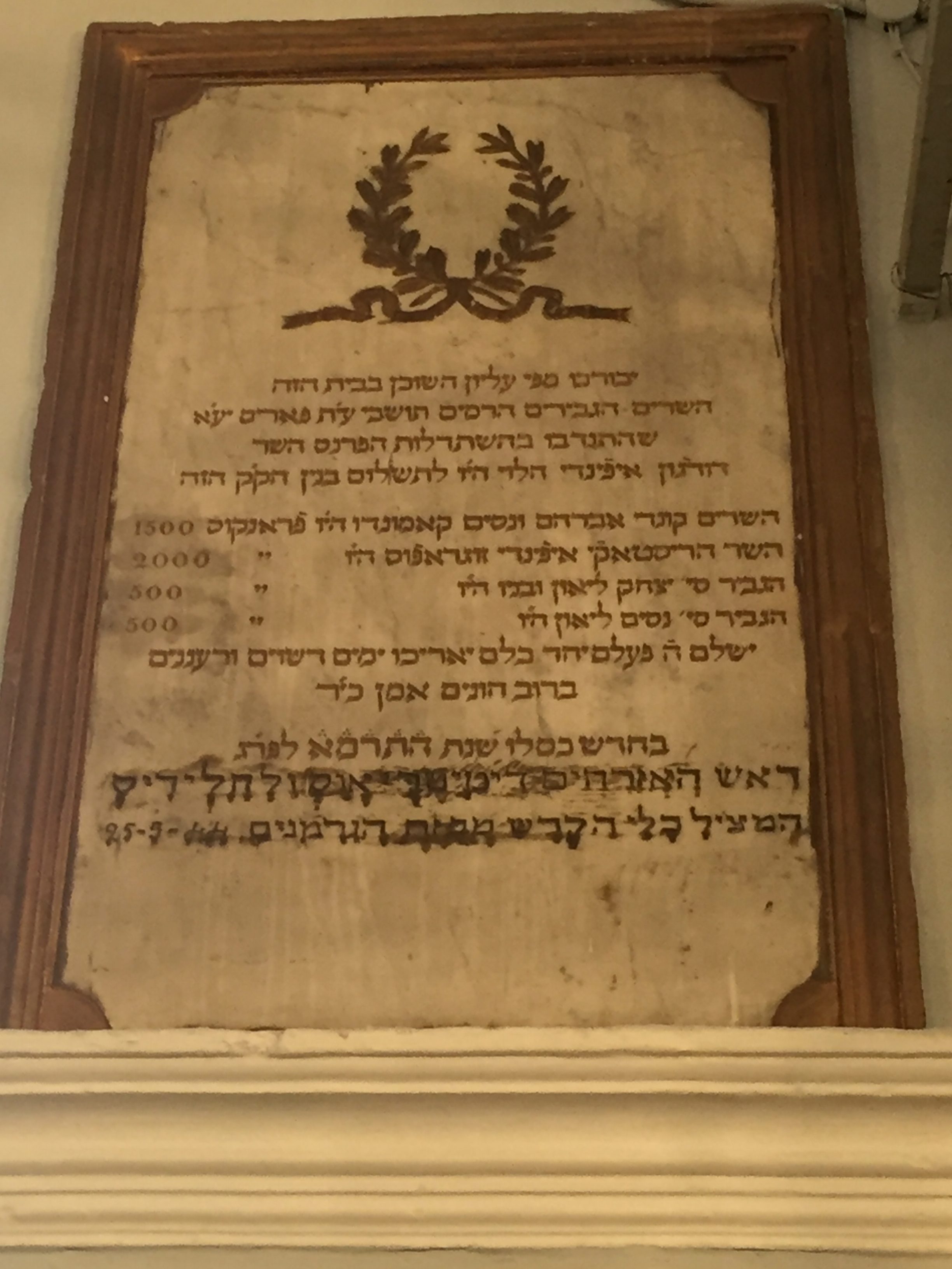
Next to the big synagogue there was another small synagogue called the "Minyan". Before the Holocaust there were 4 synagogues in Ioannina. Three of them destroyed the Nazis, and only the "Kahal Kadosh Yashan" was saved, due to the local bishop and the mayor. On the day of the deportation of the Jews, they filled the synagogue benches with books that they had removed from the municipal library and the churches, and declared the place "A library and research institute of the church". So the Germans did not touch this holy building. When the Holocaust survivors returned to the city, the Christians removed their books and returned the keys to the Jews. For their nobility, the Jews put up a memorial sign and thanks next to the Holy Ark on the left.
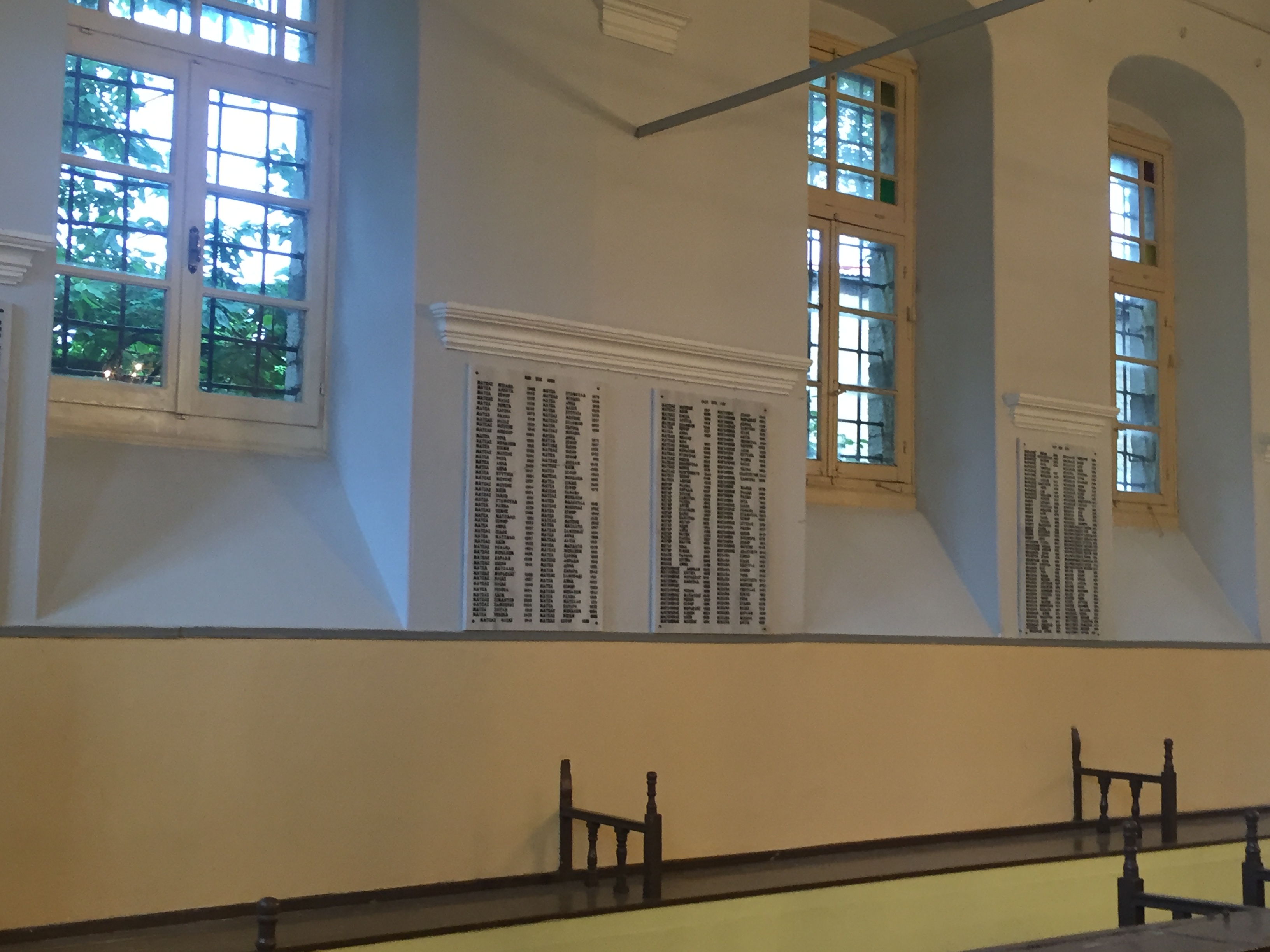
Hanging on the walls of the synagogue are marble slabs with the names of 1,800 Holocaust victims from the community of Ioannina. The list was composed according to the memory of one of the survivors.
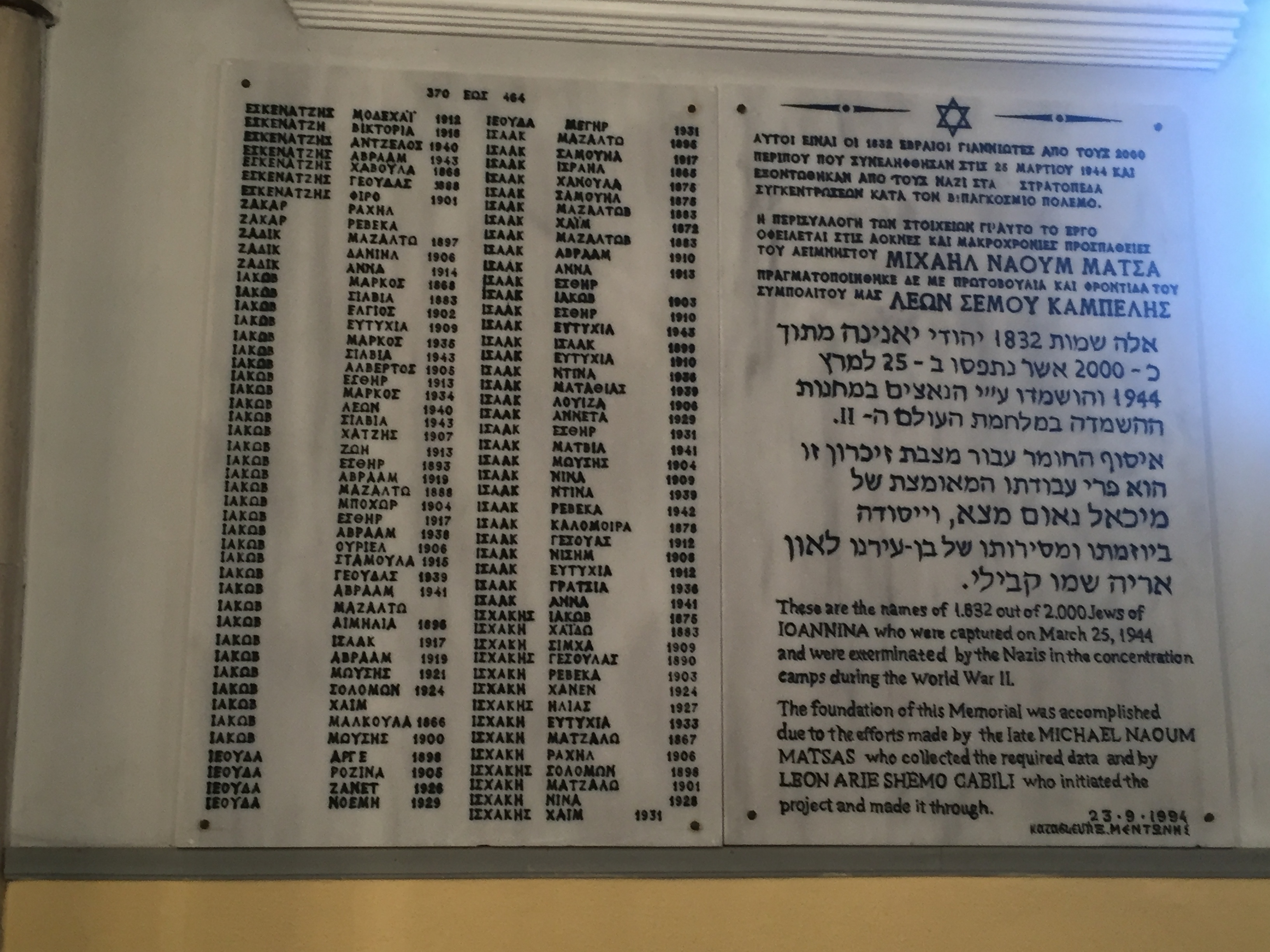
Until the Holocaust there were three minyanim every day. After the Holocaust, prayers were held only on Saturdays. Since the cantor and local Rabbi died a decade ago, only during the holidays there is a minyan in the synagogue. This is also mainly due to Israeli tourists who come to visit, and on this occasion completing a minyan. Every Yom Kipur about 200 descendants of Ioannina families are arriving from New York and Israel to pray in the traditional Rumanyotis style. The local Jewish community is proud when they see other young Romanyotis. And that they are not alone in the world.
Our great guide, Allegra Matza, asks Israelis who come to Ioannina in groups, and are organizing a minyan in the hotels, to come to pray at the "Kadhal Kadosh Yashan" synagogue. The Jews of Ioannina are very interested that their synagogue will be utilized as a prayer home, not just as a tourist site.
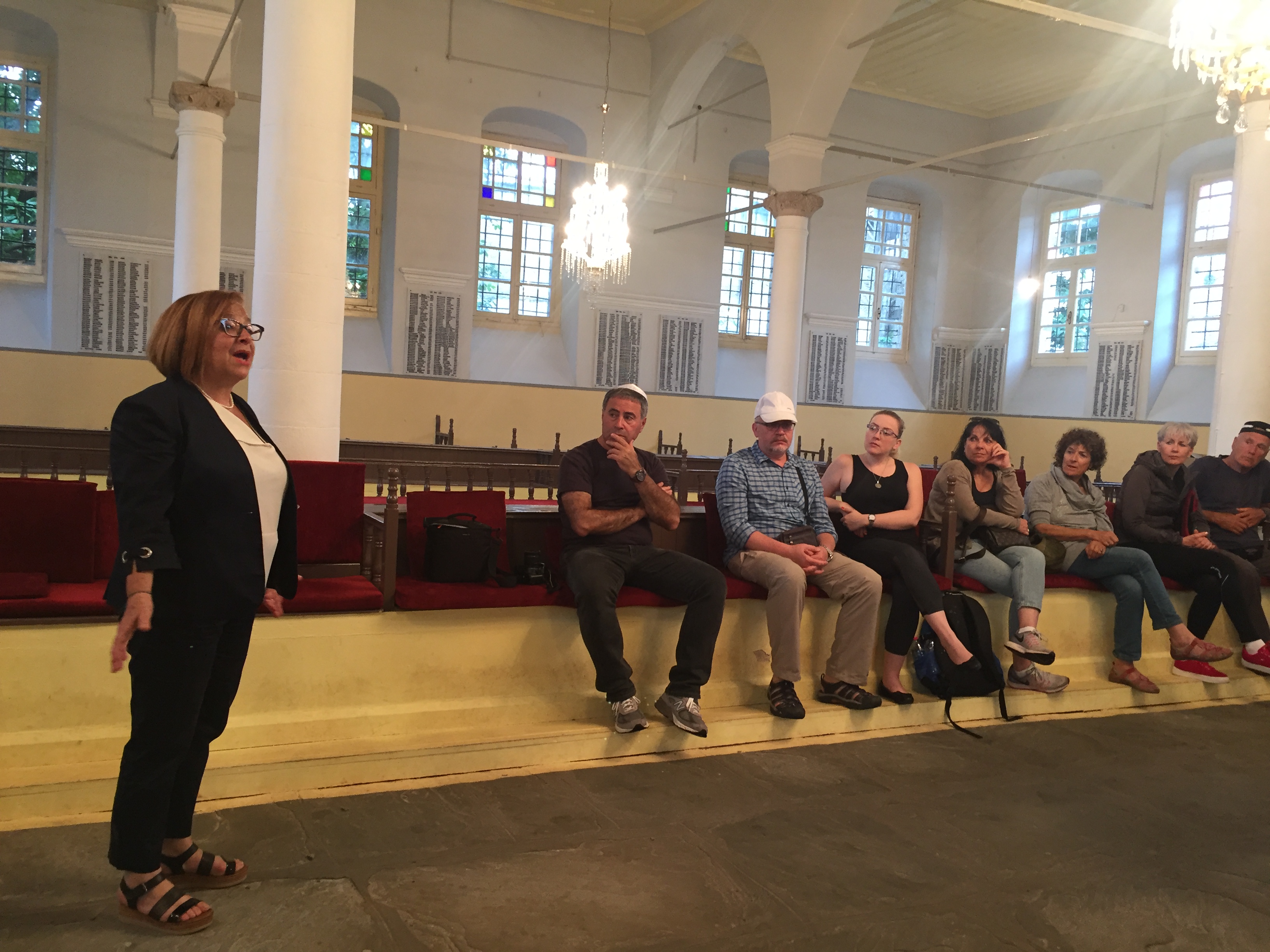
The Jewish community of Ioannina is disappearing from the world, along with their charming traditions. It seems that we are the last generation that can still see a few remnants of this spiritual wealth. I recommend visiting Ioannina for our spiritual experience, and for an instructive lesson in Jewish history for our children. Today it is easier for us to reach Ioannina, thanks to a new TUS-AIR flight from Ben Gurion Airport to Ioannina, with a connection in Larnaca, Cyprus.
The Ioannina Romaniote Synagogue stands today as far more than a historic monument. It is a fragile bridge connecting modern travelers with nearly two thousand years of Jewish life in Greece. As the Romaniote community grows smaller, the synagogue becomes increasingly important as a living archive of memory, prayer and identity. Visiting the Ioannina Romaniote Synagogue offers not only a journey into Jewish history, but also a rare opportunity to witness traditions that may soon disappear from the world.
Today, direct flights from Israel to Ioannina are available, eliminating the need for a stopover in Athens.
FAQ
What makes the Ioannina Romaniote Synagogue unique?
The synagogue preserves the ancient Romaniote tradition, a Jewish culture that developed in Greece long before the arrival of Sephardic Jews. Its interior layout, liturgy and customs differ significantly from both Ashkenazi and Sephardi synagogues.
Where is the Ioannina Romaniote Synagogue located?
The synagogue is located inside the old walled Kastro district of Ioannina in northwestern Greece. It stands within the historic Jewish quarter that was once the heart of Romaniote Jewish life.
Who are the Romaniote Jews?
The Romaniote Jews are a Greek-speaking Jewish community whose roots stretch back more than two thousand years. They developed unique religious traditions that evolved separately from Ashkenazi and Sephardi communities.
Can visitors enter the synagogue today?
Yes, visitors can tour the synagogue, although access is often arranged through the local Jewish community. During Jewish holidays and special occasions, descendants from Greece, Israel and the United States sometimes return for services.
What happened to the Jews of Ioannina during the Holocaust?
In March 1944, most of the city's Jewish population was deported by the Nazis to Auschwitz. Only a small number survived and returned after the war to rebuild communal life.
Years ago, United Nations Secretary-General Kurt Waldheim was forced from public life after it was revealed that he had served as a Nazi officer involved in the deportation of Ioannina's Jews to Auschwitz. The individuals who exposed his past were leaders of the Jewish community of Ioannina.
Why is Ioannina important for Jewish heritage tourism?
Ioannina preserves one of the last living centers of Romaniote Jewish culture. The synagogue, cemetery, memorials and surviving traditions make it one of the most significant Jewish heritage destinations in Greece.
Many thanks to Mr. Charilaos Kalpidis of GNTO, and Mrs. Allegra Matsa of Ioannina Jewish Community that contributed their knowledge to the research of this article, and to Hotel Association of Ioannina and associates for providing the accommodation.