
The first thing that strikes visitors arriving in Phuket is the color of the water. Some beaches glow turquoise under the tropical sun, others fade into pale blue near fishing boats and longtail canoes rocking gently beside coconut palms. Yet Phuket Beaches are only part of the island’s appeal. Beyond the sand waits a world of Buddhist temples, chaotic night markets, jungle roads, elephant sanctuaries, street food aromas, hidden bays, and old Portuguese style streets where time seems to move slower than the tide.
Why Phuket Beaches Attract Travelers From Around the World
Phuket Island in Thailand is known worldwide for its charming beaches with white sand and turquoise and light blue seawater. A tropical island where coconut and palm trees grow near by the sea shore. Many of them have diagonally inclined trunks, to which a swing or hammock is attached. The hum of the wind caresses the faces of those sitting on the beach. We feel like in a painting or a postcard. I have never seen the beaches of Phuket as desolate as last week. In the summer months they are usually busy with vacationers

The view from my hotel room terrace. Photo by Dennis Charkov
Recently Thailand is reopening up. The government has made a return plan to a routine called "Sand Box", which includes conditions and stages for 120 days until the country is fully open. Today, before the flight to Thailand we are required to fill out a topology and present certificates. The tedious bureaucracy causes many to give up a vacation in Thailand, and prefer another location

Different Beaches for Different Travelers
The island offers dozens of different beaches depending on the types of vacationers. Patong Beach is visited mainly by young partygoers who love action, and is in demand thanks to the nightlife and "full moon" parties. Patong's promenade is somewhat similar to Bat Yam beach. But during this period most of the shops and restaurants there are closed because of the Covid pandemic. Karon Beach is suitable for those who prefer peace and quiet with a good book and music in headphones. And there are beaches for families with children, which also offer facilities and amusements. In front of the hotels there are private beaches that can also be used for separate or family bathing.
White Sand and Tropical Landscapes

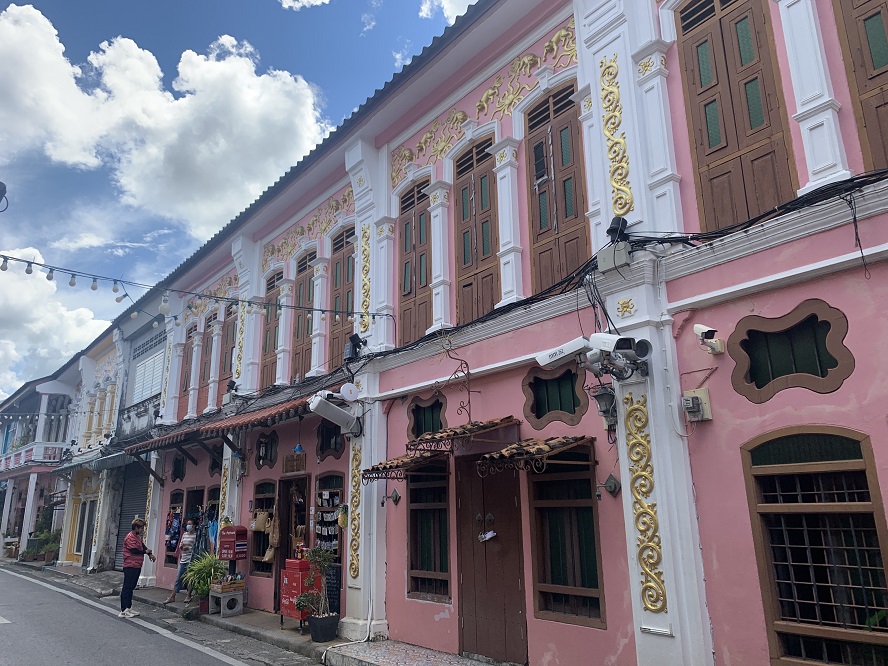
In the evening the temperatures drop, then we should go on a walking tour of Phuket's Old Town. Narrow streets with two-story houses, the first floor used for commerce, and the floor above it for residence. The facades on the top floor are decorated with beautiful Baroque-style stone reliefs. I almost caught my neck from looking up all the time. Phuket is also rich in street art and graffiti paintings. We will also look for them on our evening trip.

Jewish Life and Kosher Food in Phuket
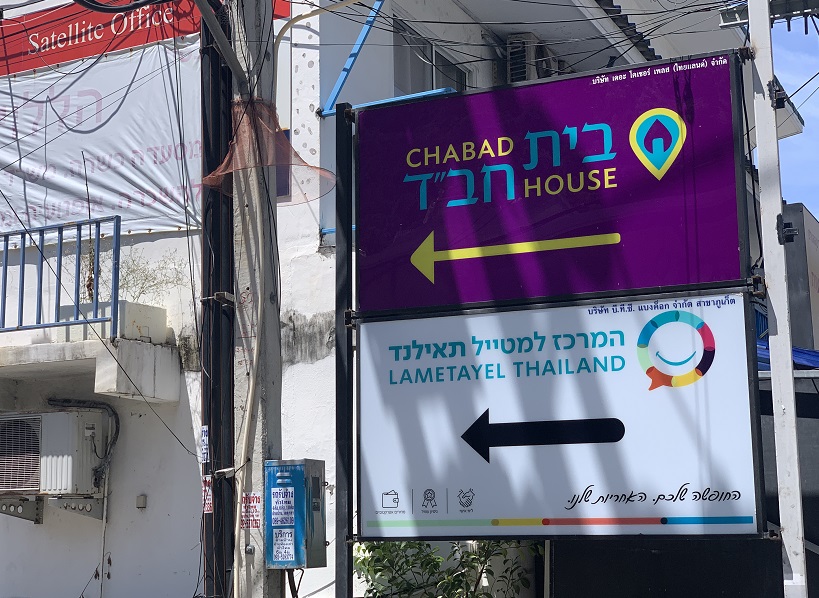
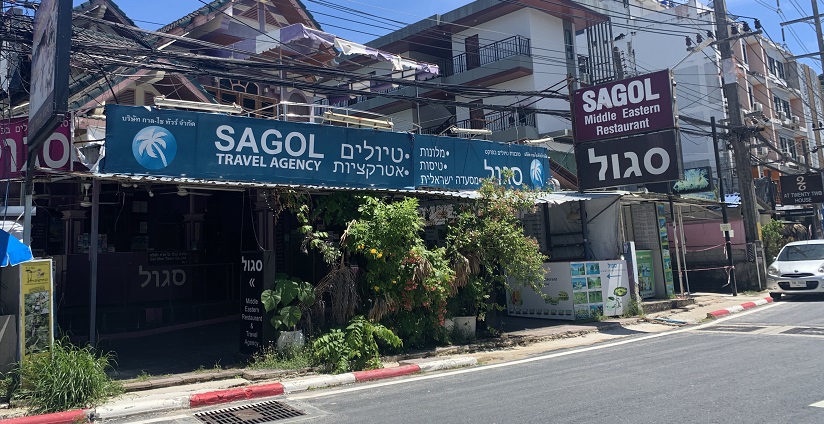
Patong City has areas where Hebrew and Israelis are present on the street. As we wander the main shopping street, Rat U-Thif Road (which is like our Rabbi Akiva street or Allenby Street), we also come across signs in Hebrew

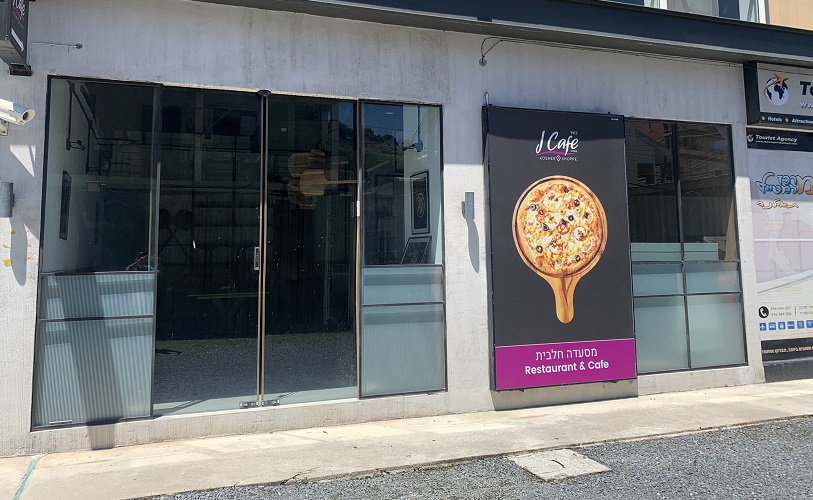
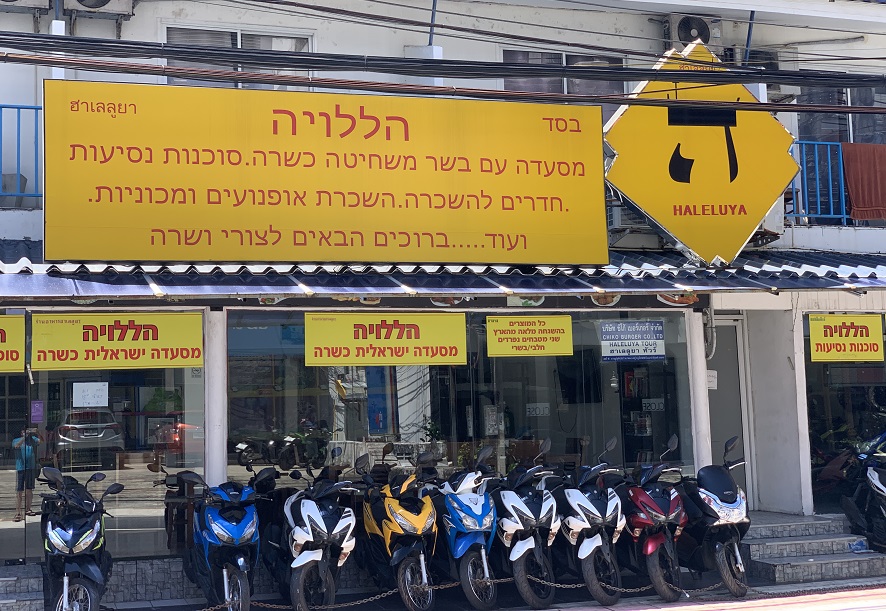
Every Israeli restaurant here is also a kind of 'travel agency'. In addition to food, the restaurants also sell tickets for organized trips, car or scooter rentals, snorkeling, rafting, and also offer accommodations at a variety of levels and prices.

Chabad House in Phuket
In the alley at the beginning of the street is a Chabad house, whith two restaurants, meat and dairy, and there are minyanim 3 times a day. This was the situation before the Covid, but is now closed. The kitchens are still open, and takeaway food can be bought, but it is forbidden to sit and eat inside the restaurant. This is because of the prohibition of gathering, the nature of which is also unclear to the Chabad Shaliach, Rabbi Segal. Because of this prohibition, the prayers in the minyan were also canceled, until the rage of the plague passed.
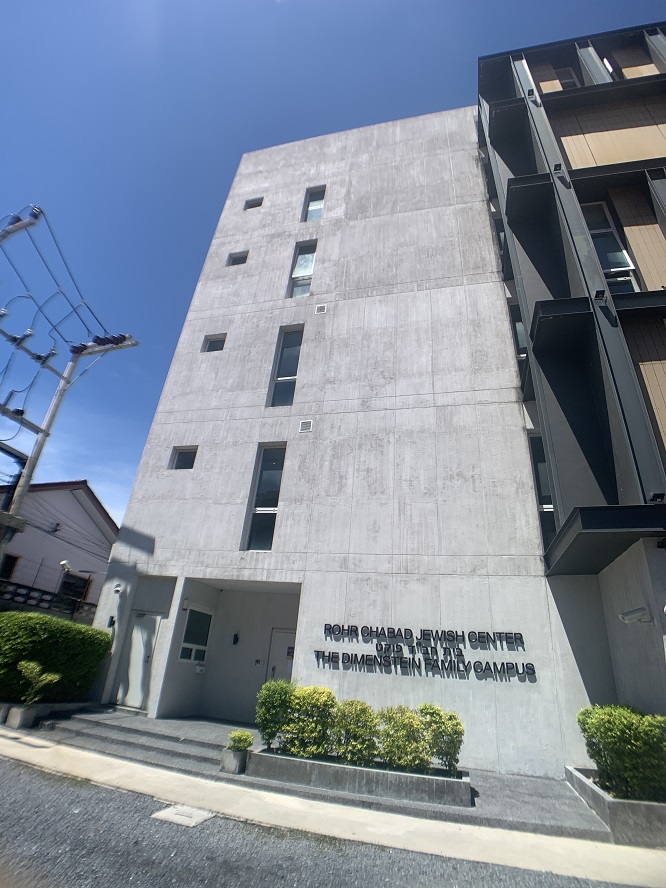
Phuket and Thailand have no Jewish history. The local Chabad House opened in 2004 following the Great Tsunami. A delegation from Beit Chabad of Bangkok came to Phuket to help the injured, and also encountered many Israelis and Jews. Therefore, it was decided to open a Chabad house in Phuket as well. Rabbi Nehemiah Wilhelm, head of the Chabad Shlichim in Thailand, says that the authorities are also trying to help Beit Chabad with issues such as building permits for a sukkah, or arranging Simchat Torah and Lag Ba'Omer processions on the city streets
Jewish Community in Thailand
The Jewish community in Thailand consists almost entirely of Israelis. It is different from ordinary Jewish communities in the world, where the Israeli do not integrate into the community, and in the second generation their children are assimilated
Buddhist Temples and Thai Culture
Thailand is a religious country. 93% of the population are Buddhists. In Phuket the situation is reversed, and 70% of the residents are Muslims. In the streets and shops we see quite a few women wearing veils or hijabs. But these are Muslims of a different kind from the one we are familiar with. They are not violent Arabs like our Muslim neighbors. There is no anti-Semitism here, because they do not even know what "Semite" is. The Israeli - Palestinian conflict is not interesting them at all
Wat Chalong Temple

Almost every street has a Buddhist temple. All their holy places are very well maintained, and adorned with gold. One of the largest and the most beautiful temples is Wat Chalong. It has an amazing pagoda, and in the compound around it are more smaller temples
Spirit Houses and Thai Beliefs
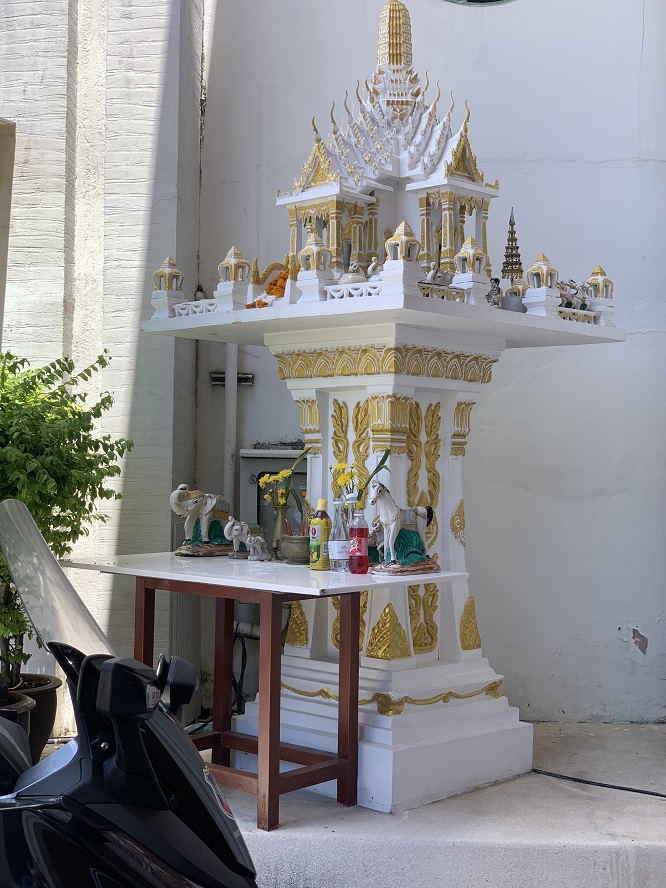
On the sidewalks in front of many office buildings and many resident houses stand a white stone pillar, under whose roof would sit a gilded Buddha statue. These pillars are called the "Temple of the Spirits". It is an altar that is about one meter long and 2-3 meters high. The Thais believe in demons and spirits. They believe that if they build for the spirits such an alternative place of residence outside their home, then the evil spirits will leave their homes and offices. Every day they clean and cultivate their private temple of the spirits, and offer a sacrifice of flowers or food and drink
Family Attractions Near Phuket Beaches
In several places on the island there are night markets where mostly very fresh fish, food and clothing. On Sunday afternoons the main street in the old town becomes a colorful and picturesque night market. Many stands are set up in the center of the road and on the sidewalks. In many corners street musicians stand and play music, and bands of dancers frolic in the street

The atmosphere is electrifying, and the smells are insane. I was privileged to visit the night market the first time it was reopened after the pandemic. The mayor and the minister of tourism also arrived, and the public celebrated. Even a fireworks display was put on that evening
Elephant Eco Farms
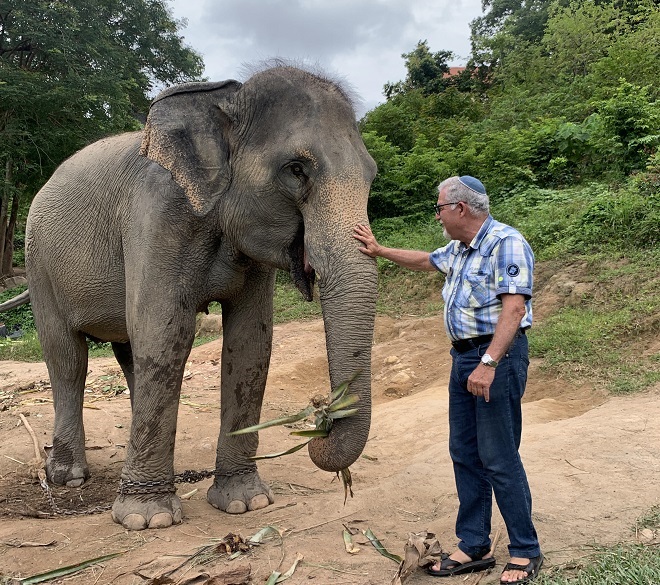
Once upon a time, the Thais used elephants for agricultural work, just as we used donkeys and horses. About 60 years ago the king forbade this because of animal cruelty. The Thais were left with a lot of unused elephants, and then a tourist trend of riding and entertainment shows with elephants was created. This too was stopped about twenty years ago due to elephant abuse. Today, Phuket has eco farms that treat elephants in a humane way, where we can approach the elephants, feed them, help bathe them, and walk with them. An unforgettable experience especially for our children
The 3 bay Observatory

When traveling south from Patong, we reach an observatory with a panoramic view of the west coast of Phuket. From this beautiful observatory we can see the bays of Patong, Karon, and Kata
The Phuket Museum
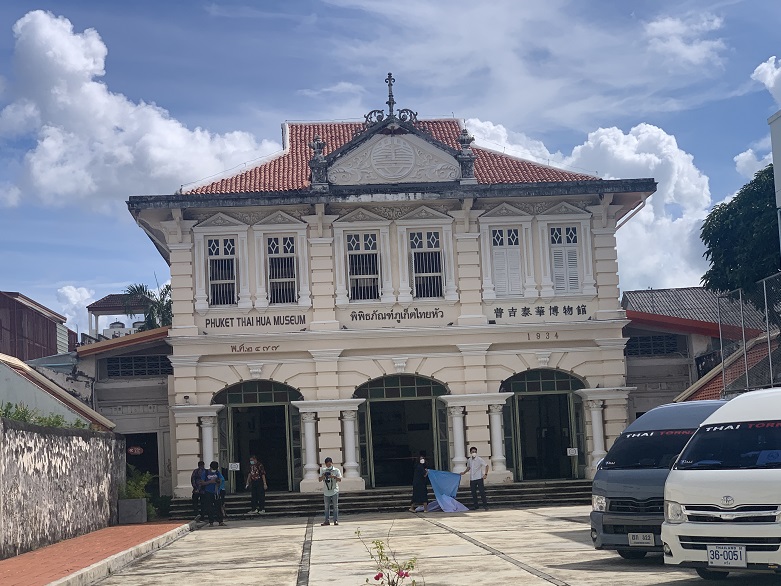
Phuket was a world center of tin mines, attracted Chinese and Portuguese. The cultural and economic elite of Thailand was Chinese. Thai Hua Thai Museum in the Old City commemorates the influence of Chinese culture on Phuket. We can see in it typical costumes from the past centuries, carriages and rickshaws, antique books, and authentic musical instruments. One of the halls is dedicated to the tin pewter and mining industry
Aquaria
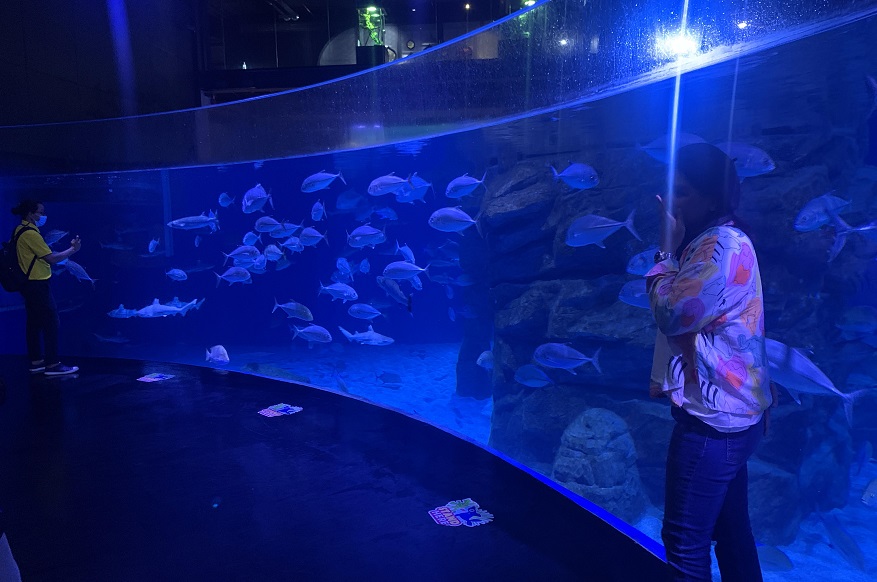
A magical underwater world with about 25,000 fish divided into huge aquariums according to themes such as: South China Sea, polar penguins, river fish, sea turtles and jellyfish. In one of the large aquariums we walk inside a glass tunnel with the fish sailing above us and by our side. The water world "Aquaria" is located on the lower floors of the 'Floresta' mall in the city center
Blue Tree Water Park
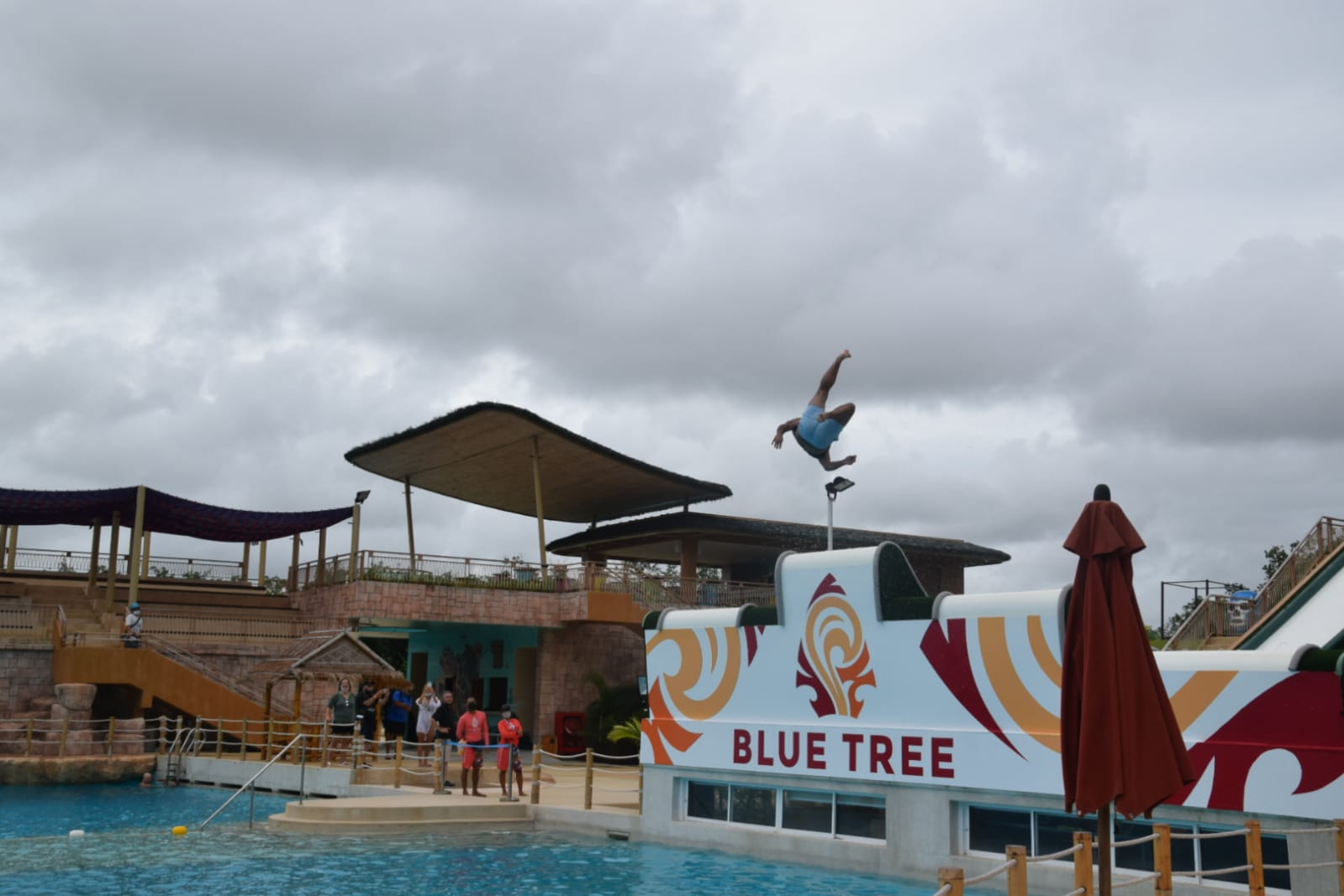
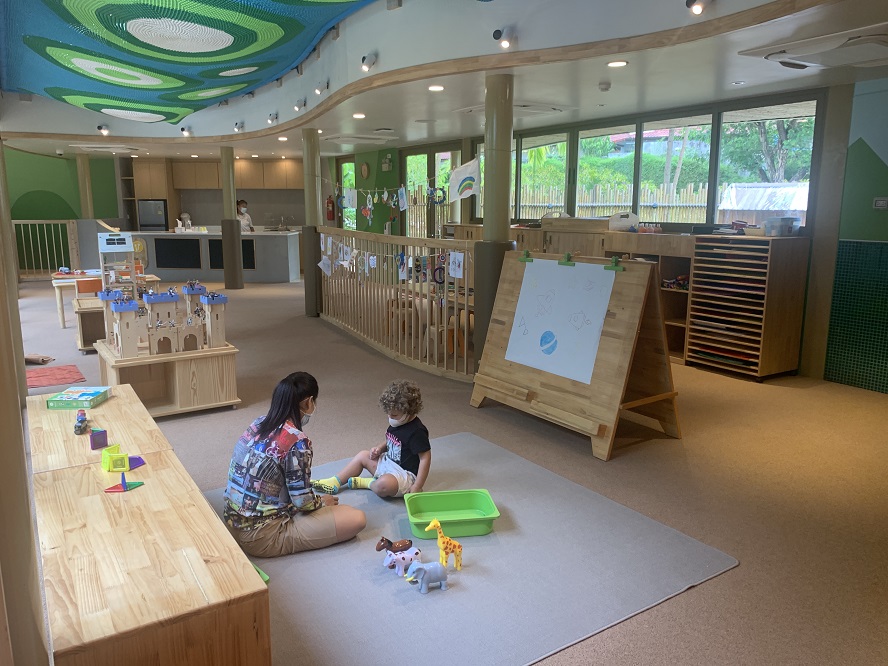
The large size pool has areas for kayaks, sap, tubing, high jumps in the shape of cliffs, etc. Trampolines. The highlight is 5 Slip & fly slides that take the skiers to the heights before falling into the water. There are also many restaurants and shops in the complex. There is a kids planet, where caregivers will employ our children, so we can enjoy the site

Fantasia
North of Patong is a large playground called "Fantasia" where there are also shows, acrobats, a variety of playgrounds and more. The place is considered by the locals a kind of "Disneyland". A great way for families to spend at least half a day
James Bond Island

In Ao Phang Nga Bay there are huge limestone rocks that stand out steeply above the water. Vegetation also grows on these rocks. We can swim around it, or sail in boats around the small islands. During low tide caves are exposed, so we can get into them. This place became world famous thanks to the James Bond film "The Man with the Golden Gun" that was shot there
Rural Eco tourism
In recent years, rural tourism has also developed in Thailand, such as the village of Bangrong. Rubber trees are grown there. A bowl made of coconut shell is attached to the bottom of each tree. Every morning the farmers injure a small groove in the bark of the tree trunk with a special knife called a kaochuk, and the tree begins to bleed and drip a rubber resin into the coconut bowl. In the evening the farmers return to empty the bowls

The coconuts are harvested here by trained monkeys, who live from birth in the family homes, just as we raise a dog or cat. The monkeys learned from their mothers to climb to the top of the tree, identify the ripe nuts, pick them and throw them to the ground. Another method of picking is by using a long bamboo pole with a rounded knife at the end

The village also has rafting on the nearby river, and a nature reserve for gibbons monkeys. Every year hundreds of gibbons die from illegal hunting. A reserve has been established for them in the village of Bangrong where monkeys are lovingly cared for
Phuket Beaches may attract visitors with postcards of turquoise water and leaning palm trees, but the island lingers in memory because of its atmosphere. The scent of grilled seafood drifting through night markets, monks walking silently beside traffic, Hebrew signs glowing above restaurants in Patong, and rain clouds gathering over jungle hills all create a destination far richer than a simple beach vacation. Phuket rewards travelers who leave their hotel rooms and wander deeper into the island’s streets, villages, temples, and hidden corners.
FAQ
What are the best Phuket Beaches for families?
Families often prefer quieter beaches such as Karon and Kata because of their calmer atmosphere and nearby resorts. Many hotels near these beaches also offer pools, children’s clubs, and family activities.
Which Phuket Beaches are best for nightlife?
Patong Beach is the center of nightlife in Phuket, with bars, clubs, restaurants, and beach parties. Young travelers and party lovers usually stay near this area.
Are there kosher restaurants near Phuket Beaches?
Yes, Phuket has kosher food options through the local Chabad House and Israeli restaurants. Travelers can also find takeaway meals and assistance for Jewish tourists.
What attractions are near Phuket Beaches?
Beyond the beaches, Phuket offers Buddhist temples, elephant sanctuaries, aquariums, water parks, night markets, and boat trips to nearby islands. Nature lovers can also explore jungle villages and eco tourism sites.
Is Phuket suitable for religious travelers?
Many religious travelers visit Phuket because of the Chabad House, kosher food availability, and private beach options at certain resorts. The island is considered friendly and welcoming toward Israeli tourists.
When is the best time to visit Phuket Beaches?
The dry season between November and April is considered the best time for beach vacations in Phuket. During the rainy season the island becomes greener and less crowded, but humidity and tropical showers increase.