Jewish Heritage Malta reveals a side of the Mediterranean that many travelers never encounter. Beyond the beaches, fortresses, and fishing villages lies a forgotten Jewish story stretching back more than two thousand years. From ancient burial caves decorated with menorahs to hidden synagogues, medieval ghettos, and the lonely island where Rabbi Abraham Abulafia spent his final years, Malta offers Jewish travelers an extraordinary journey through history, faith, and memory.
Malta has many general tourist attractions, and a few places connected to Jewish history and should attract Jewish travelers
-
The Catacombs in Rabat

In the city of Rabat there is a compound of catacombs caves, some of them were Jews. The catacombs were quarried about 2,200 years ago, during the Holy Temple period. The dim lighting in the caves creates a sense of reverence. There is a smell of mild mildew inside. The humidity is high there, and I sweated there more than outside, probably not just because of exitement
Menorah Engravings from the Temple Era
On some of the tombs we see engraving of a Menorah. It is a sign that the deceased in this tomb had the privilege to pilgrim to the Holy Temple in Jerusalem
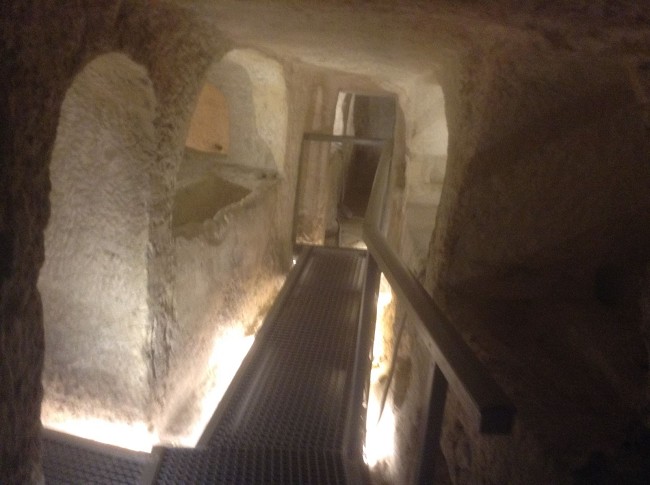
Most of the menorahs are with rounded arms, and some with diagonal arms. As is known, there is disagreement over the shape of the menorah. Most Rabbis say that the shape of the arms was rounded, like the menorah on the Titus gate in Rome. The Rambam says the arms were straight, and Chabad Rabbis are following him
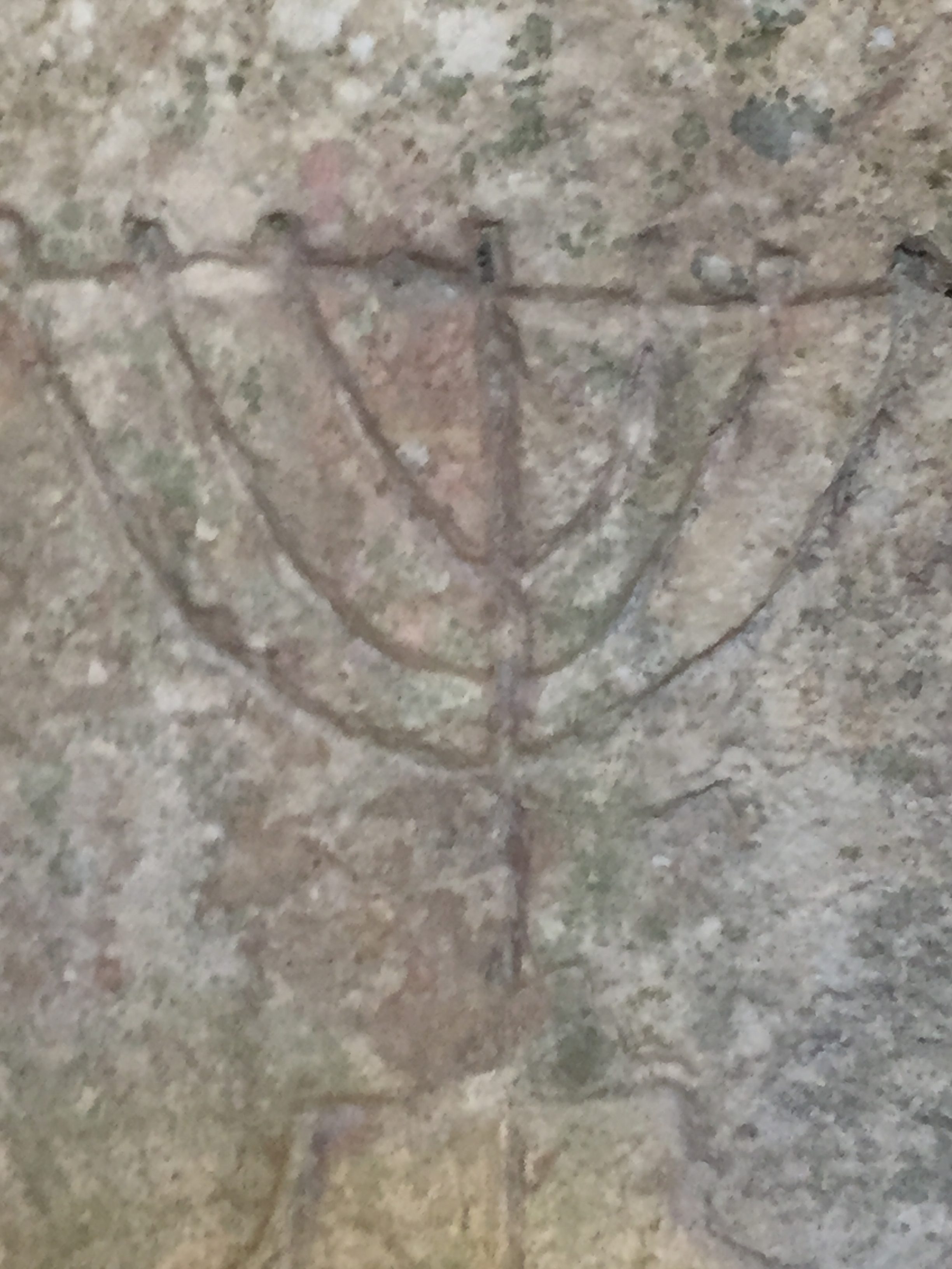
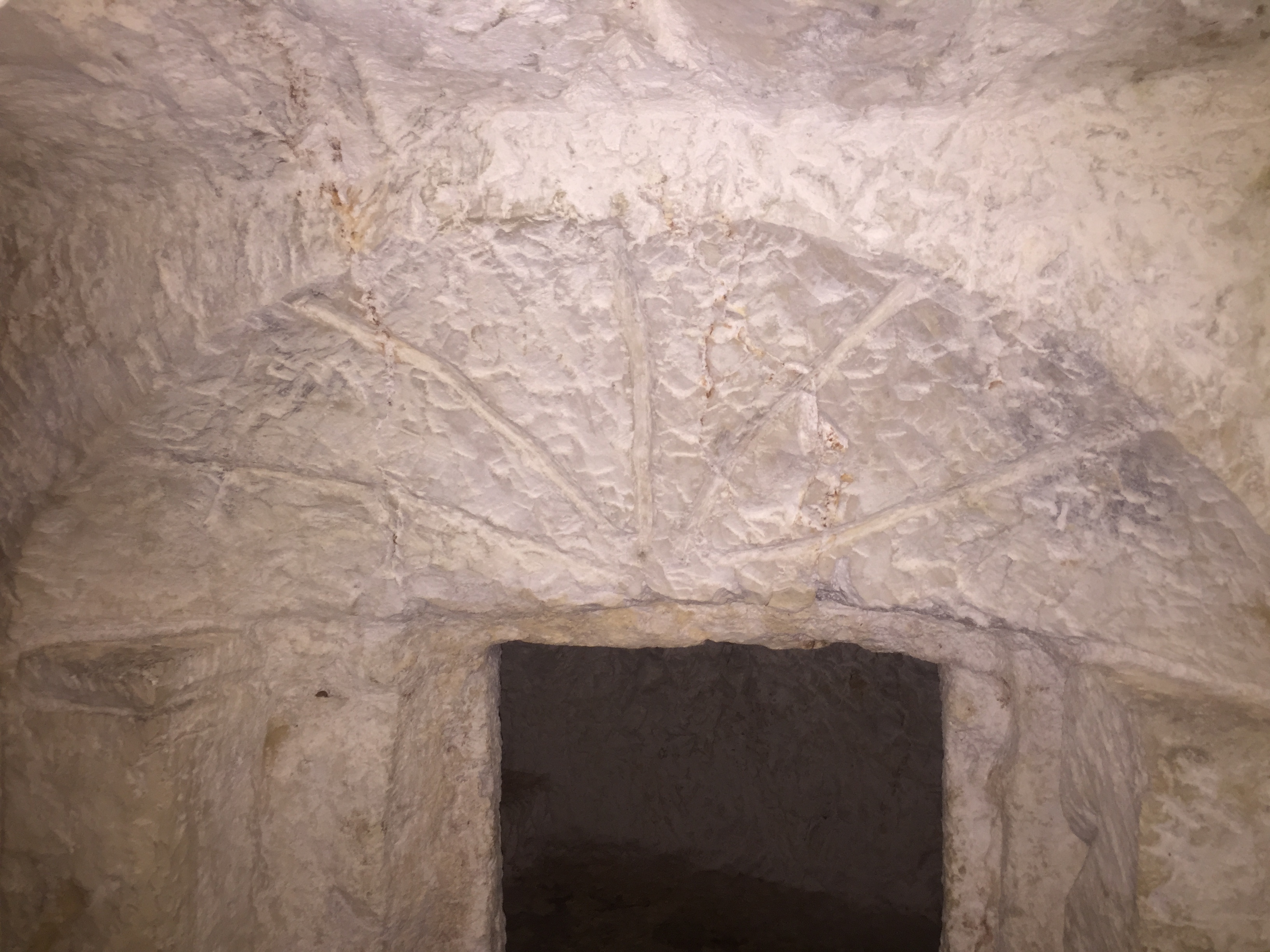
The traveler and Jewish researcher Yitzhak Carmeli thinks that the solution to this dispute is found in the Rabat catacombs. Those deceased saw the Menorah in the Temple with their own eyes, and after their death, their descendants engraved the Menorah on their graves according to their descriptions. We know that King Salomon made ten lamps and tables for the Temple, and it brings Yitzhak Carmeli to the conclusion that the Temple had two types of Menorahs, with straight arms and with rounded arms
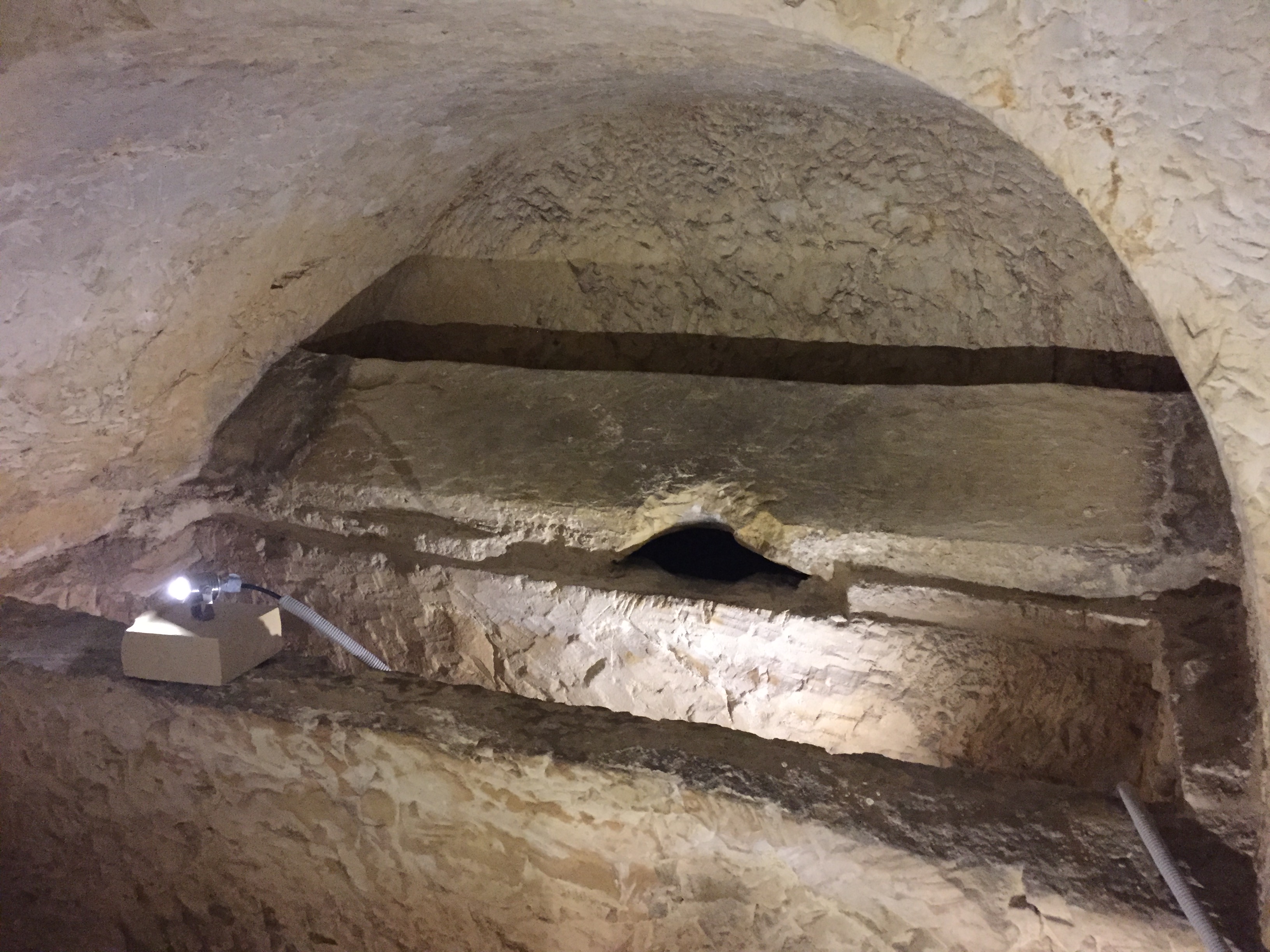
During the Second World War, the catacombs were used as shelters, and people scattered the contents of the graves. Years ago, Yitzhak Carmeli was horrified to discover that tourists were walking on the bones. Rabbi Reuven Ohayon of Malta asked the Ministry of Tourism for permission to collect the scattered bones and place them in the tombs next to them. In response, the government locked the Jewish burial caves so that no one would see the desecration of graves. For years the Jewish catacombs were closed to the public until a compromise was found. A permit was given to collect the scattered bones and to bury them in a mass brothers grave in the Jewish cemetery. Bones that were in tombs with a stone roof remained in place
The Discovery of Human Remains and Sacred Memory
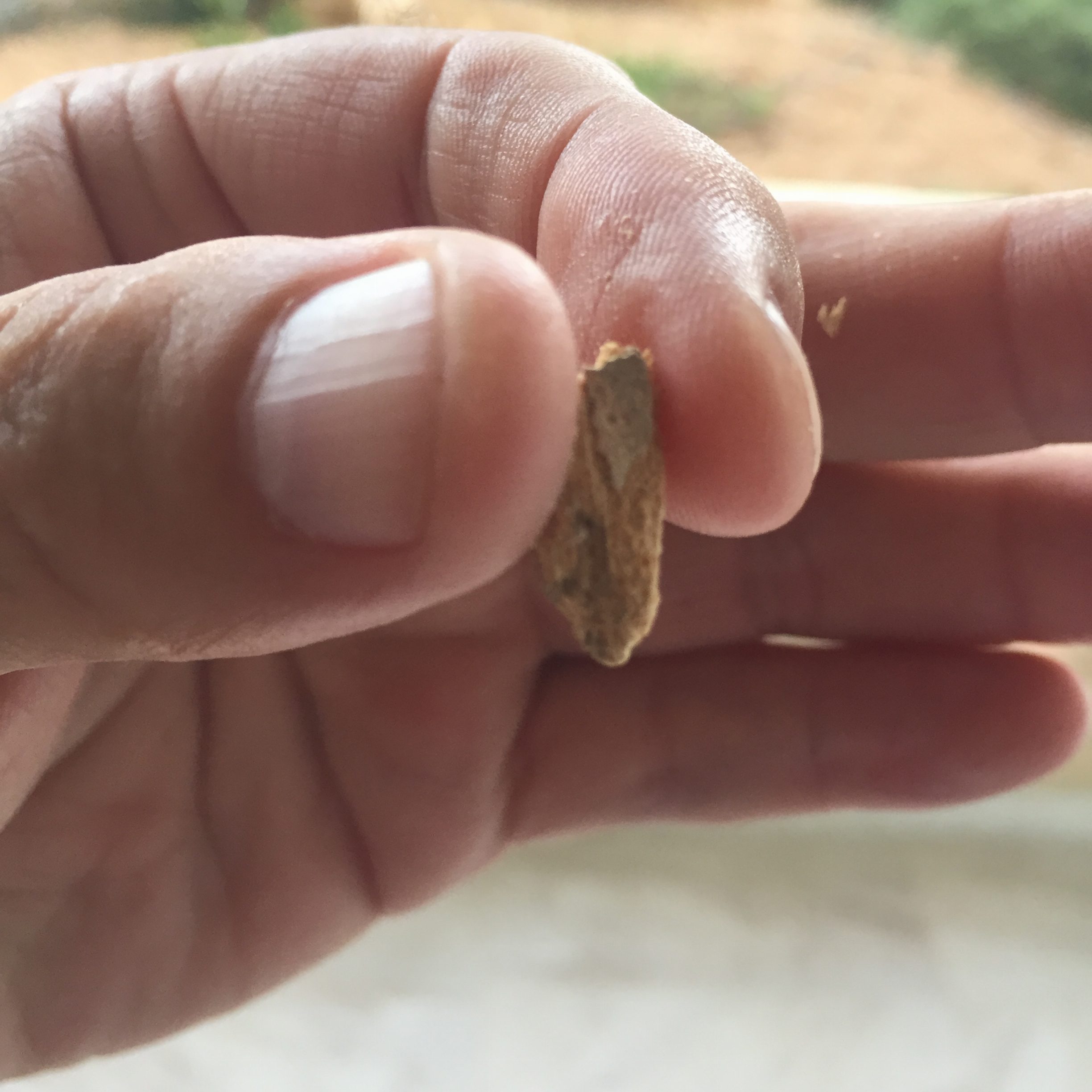
Over the centuries, grave robbers arrived, breaking holes in the roofs of the graves. Iput my hand in, dug through the dirt, and took out a handful of earth. In the dirt in my hands were bone fragments, and a tooth. My body was shivering. I was shaken by the thought that I was holding a tooth that had eaten Passover's sacrifice meat in our Holy Temple 80 generations ago. I felt the pulse of my heart increase. I went out of the cave, photographed the tooth in the light, and went down again to put it back
-
Comino Island and the Legacy of Rabbi Abraham Abulafia
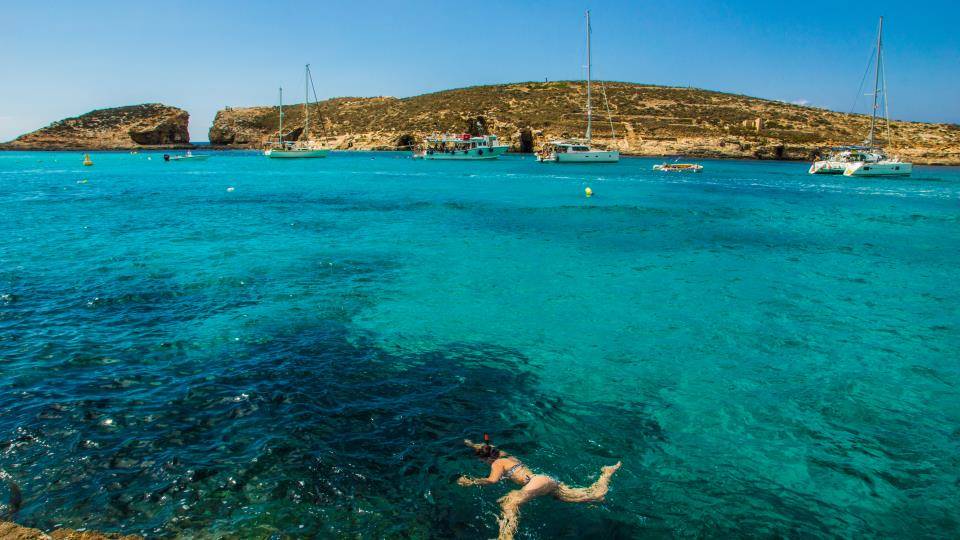
The small island in north Malta is considered as global attraction for divers. Comino is a small deserted island. There are only 3 residences and one hotel there
The Exile of a Kabbalistic Visionary
One of the most important authors of Jewish culture, Rabbi Abraham Shmuel Abulafia, was living on this island about 750 years ago. His books are studied even nowadays in Jewish colleges and Yeshivas. On this island he wrote his latest 2 books (out of 50 books) - "Imrey Shefer" and "Gan Na'ul." When he lived in Sicily he developed and refined a trend of Kabbalah, giving it the name "prophetic stream". The Rabbi Rashba, who was one of the leaders of another trend, imposed a boycott against Rabbi Abulafia and his followers. After about 300 years, the boycott was canceled by The Khid"a Rabbi Haim Yosef Azulay
Rabbi Abulafia immigrated to Eretz Yisrael and settled in Acre. He had a vision there to convert Pope Nicholas III to Judaism. He set out on a journey to Rome to fulfill the prophecy. The Christians saw it as a provocation. The Pope sentenced to kill Rabbi Abulafia by fire when he'll reached Rome. The Vatican even prepared a special platform for burning him. On Rosh Hashanah eve 1280, Rabbi Abulafia entered the gates of Rome, and about the same time it became known that the Pope had died
The Vatican Cardinals were stunned. Could it be a sign of God? On one hand, they did not dare to kill him. On the other hand, they hesitated to release him. They decided to exile him to Comino Island, which served as an open prison. Three years later, Rabbi Abulafia died there, and his burial place is unknown
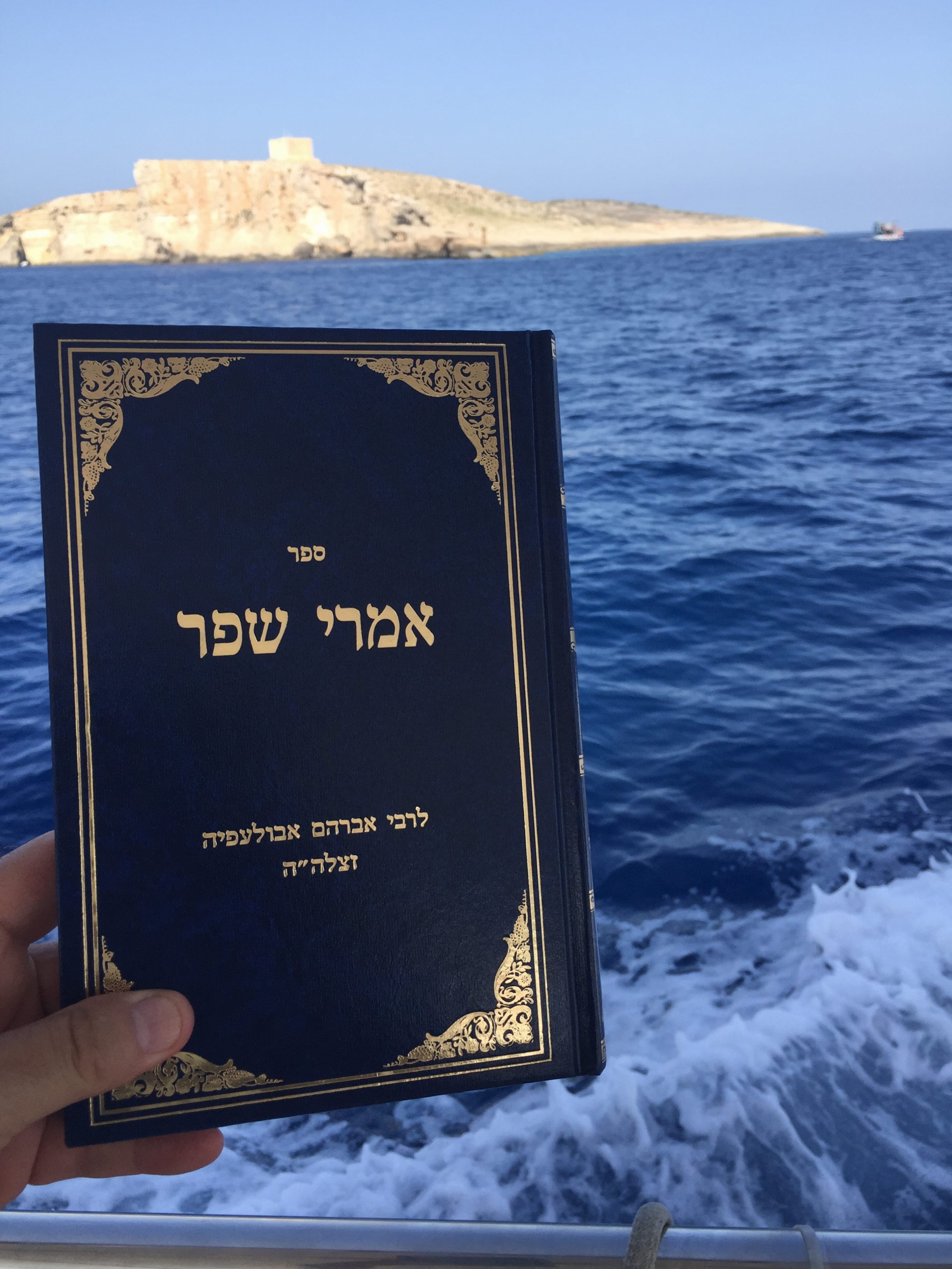
The book on the background of the island where it was written
Reading Imrey Shefer Where It Was Written
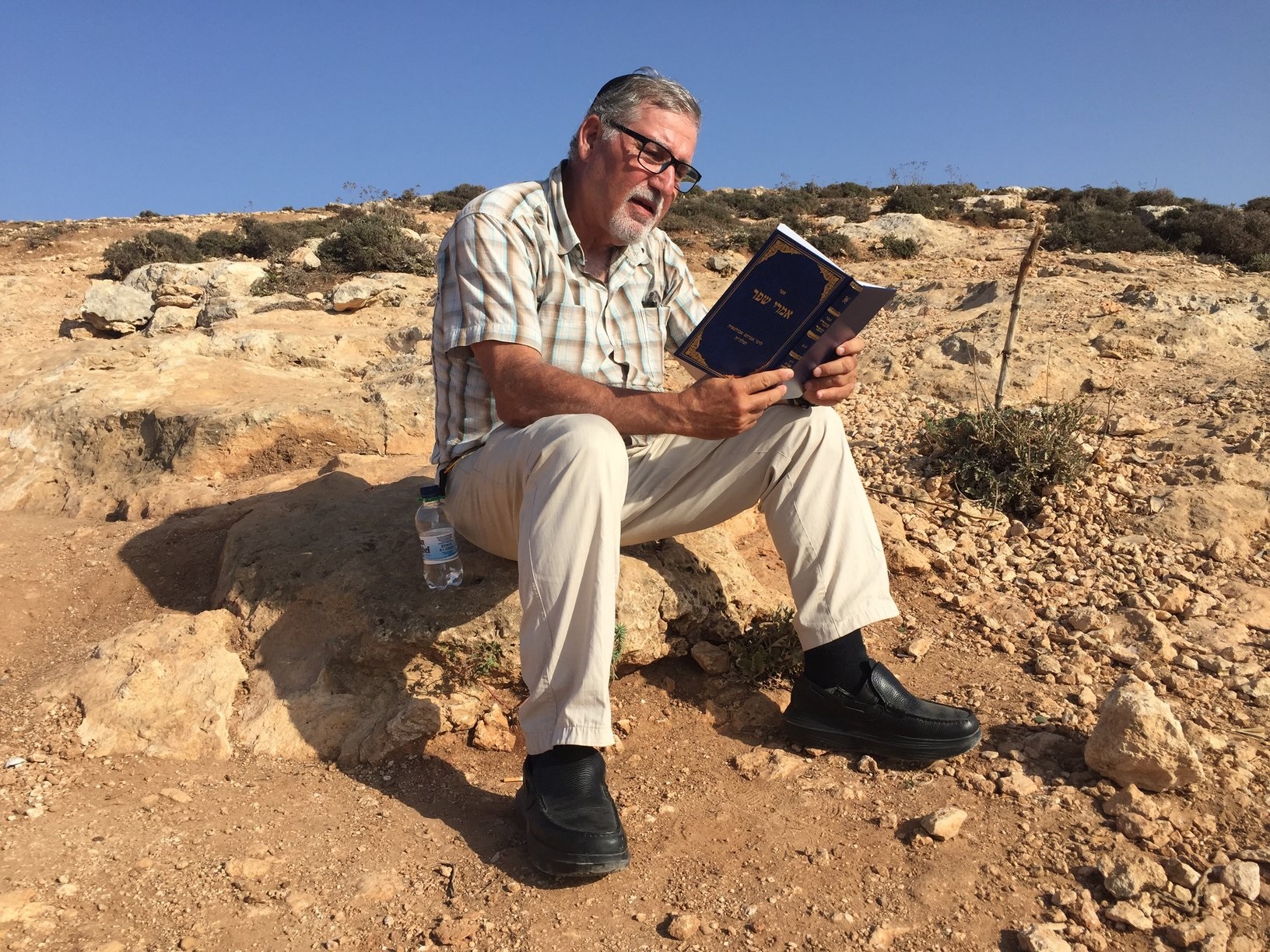
Before my trip to Malta I bought the book "Imrey Shefer" written in Comino. I sat down on one of the rocks, and studied the first chapter of the book, where it was written. It was very exciting and exhilarating experience. Recommended
Birgu and the Forgotten Jewish Ghetto
Birgo had a Jewish community of about 400 people. The city walls have three gates, one of which is called the "Jewish Salli port". The Jews were allowed to enter and leave the city only through this gate
Entering Through the Jewish Sally Port
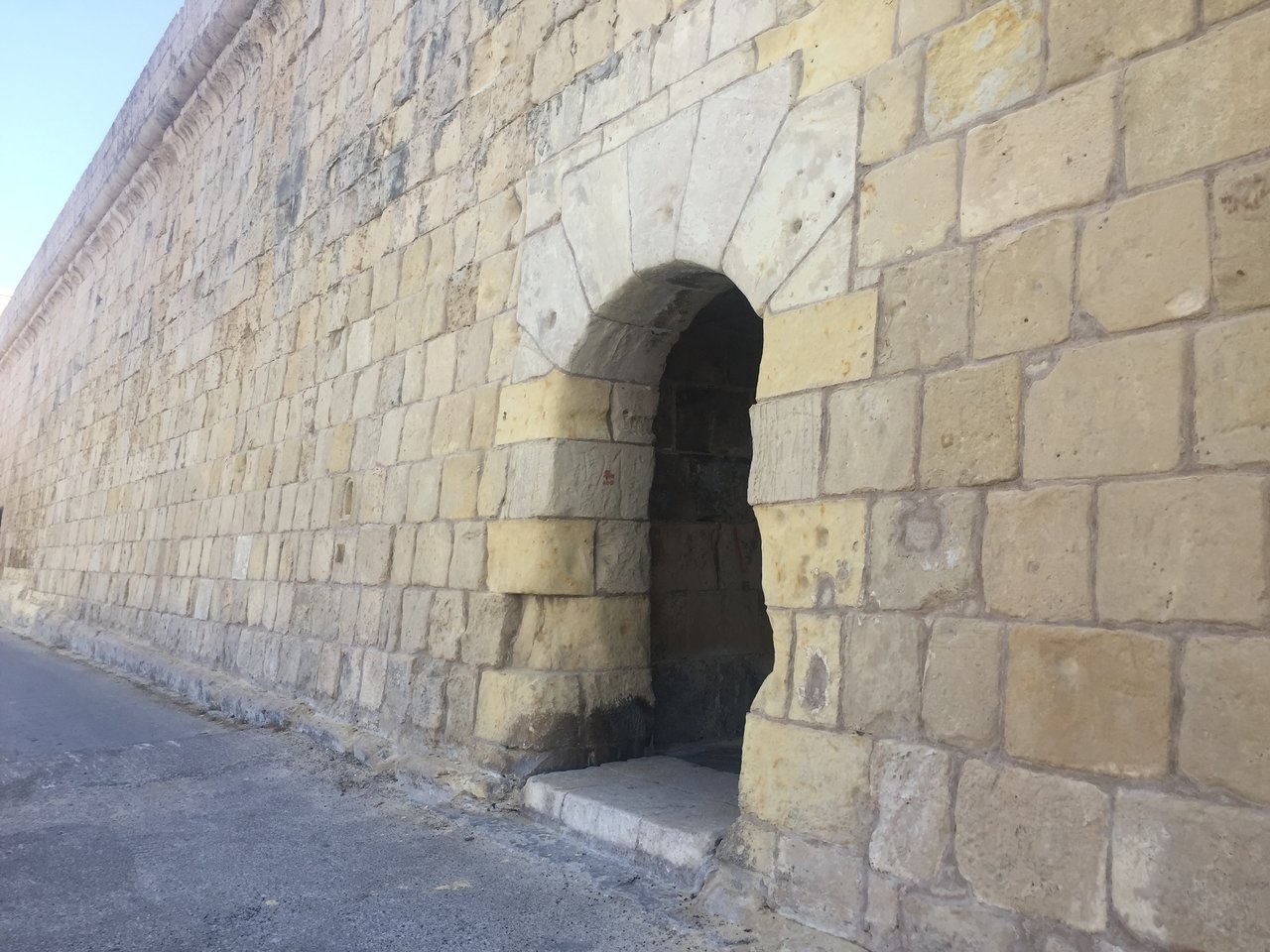
As we're entering the city through the Jewish Sally Port, we climb the stairs to the area where the Jewish ghetto was. On one of the houses you can see a sign: "Triq tal-Lhud" ("The Jewish street"). There was no trace of the original ghetto, because in the Second World War the Germans and the Italians bombed Birgo and destroyed all its houses. The city was rebuilt but the streets were preserved as they were before the war, including the "Jewish Street


By the way, in the town of Dingli there is also "The Jew street" "tal-Lhudi" in singular. Apparently, in this place lived an influential Jewish family
-
Valletta's Jewish Sally Port and Merchant History
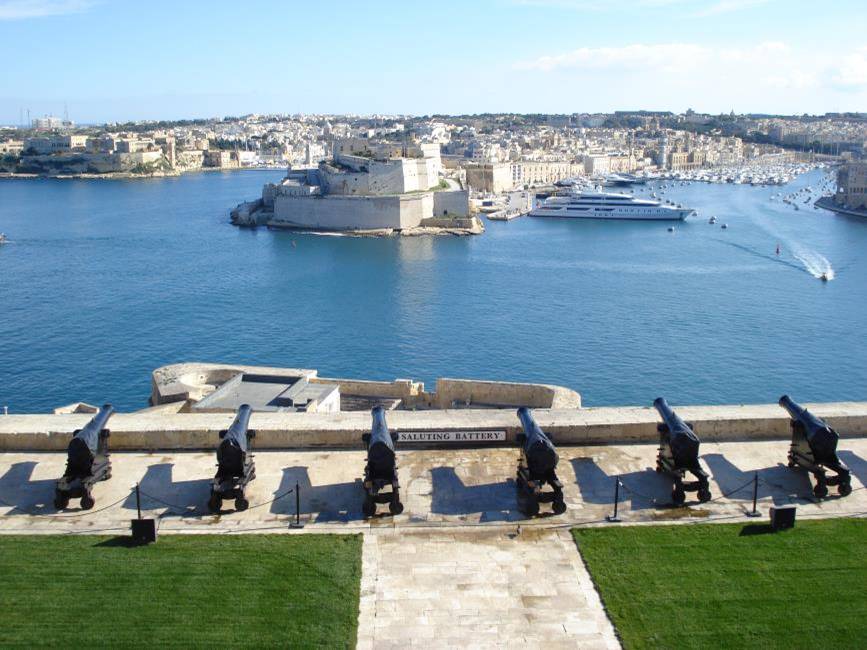
The capital city today is Valletta which was established less than 500 years ago. There were also many Jewish merchants living there.
A Special Gate for Jewish Traders
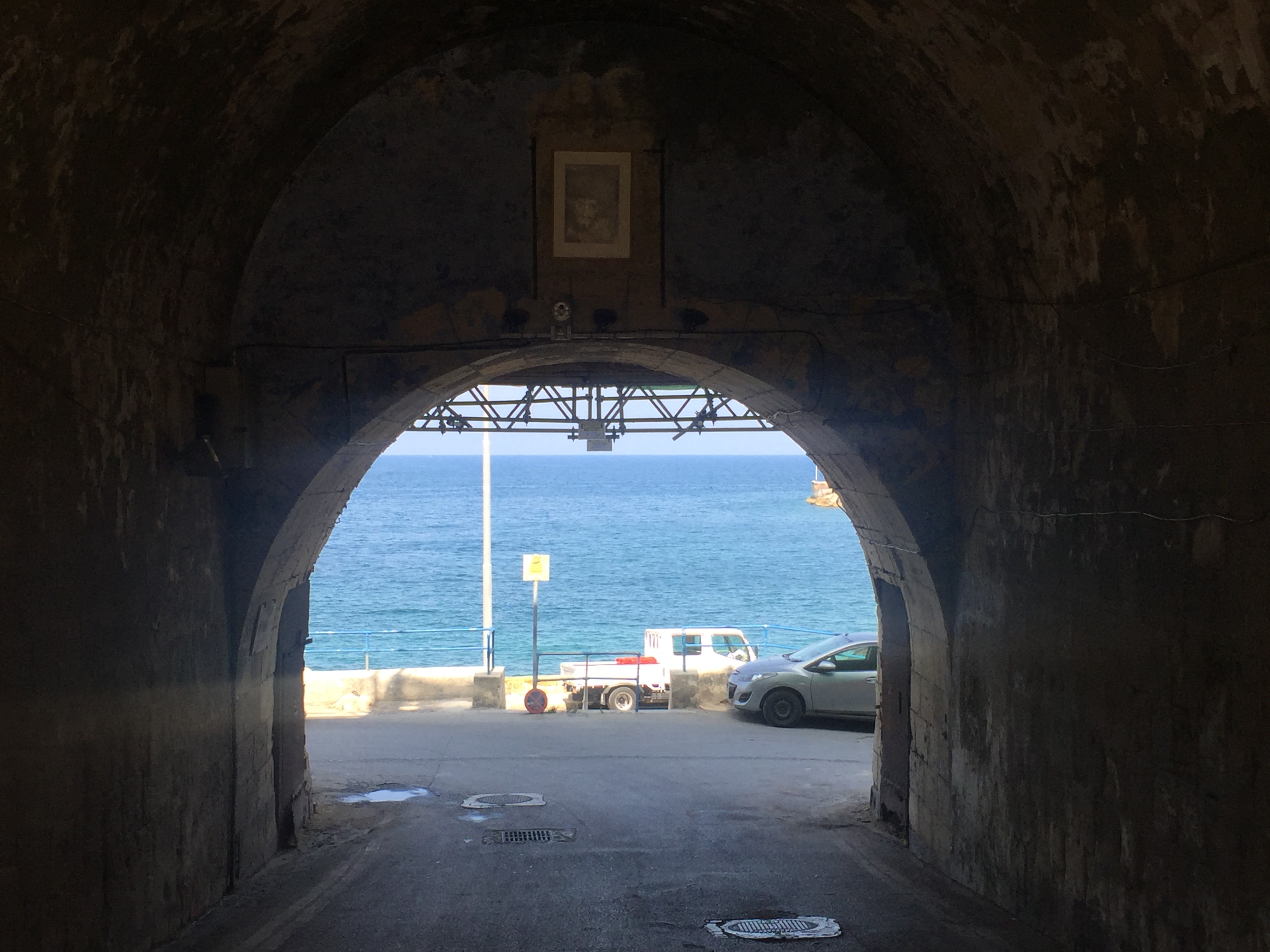
This is evidenced by a special gate for Jews in the city wall, called "Jewish Salli port". The original gate was smaller, but it was expanded to allow cars and trucks to enter
-
Mdina, Jewish Merchants and the Inquisition
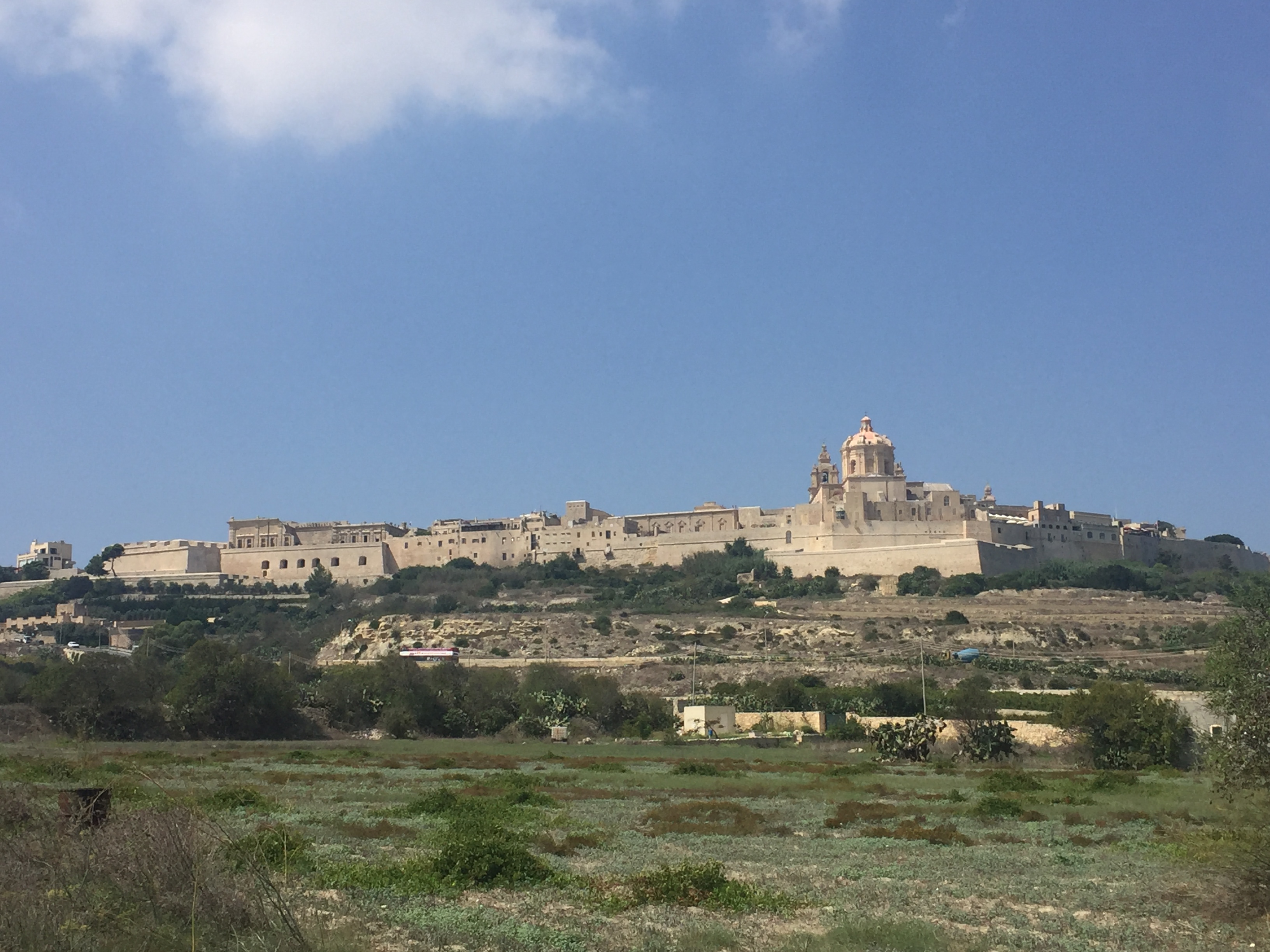
The Old Jewish Silk Market
For hundreds of years, Mdina was the capital of Malta. About a third of its inhabitants were Jewish merchants. To this day there is a street with signs in Hebrew "The Old Jewish Silk Market". This indicates the importance of the Jews in the city's economy
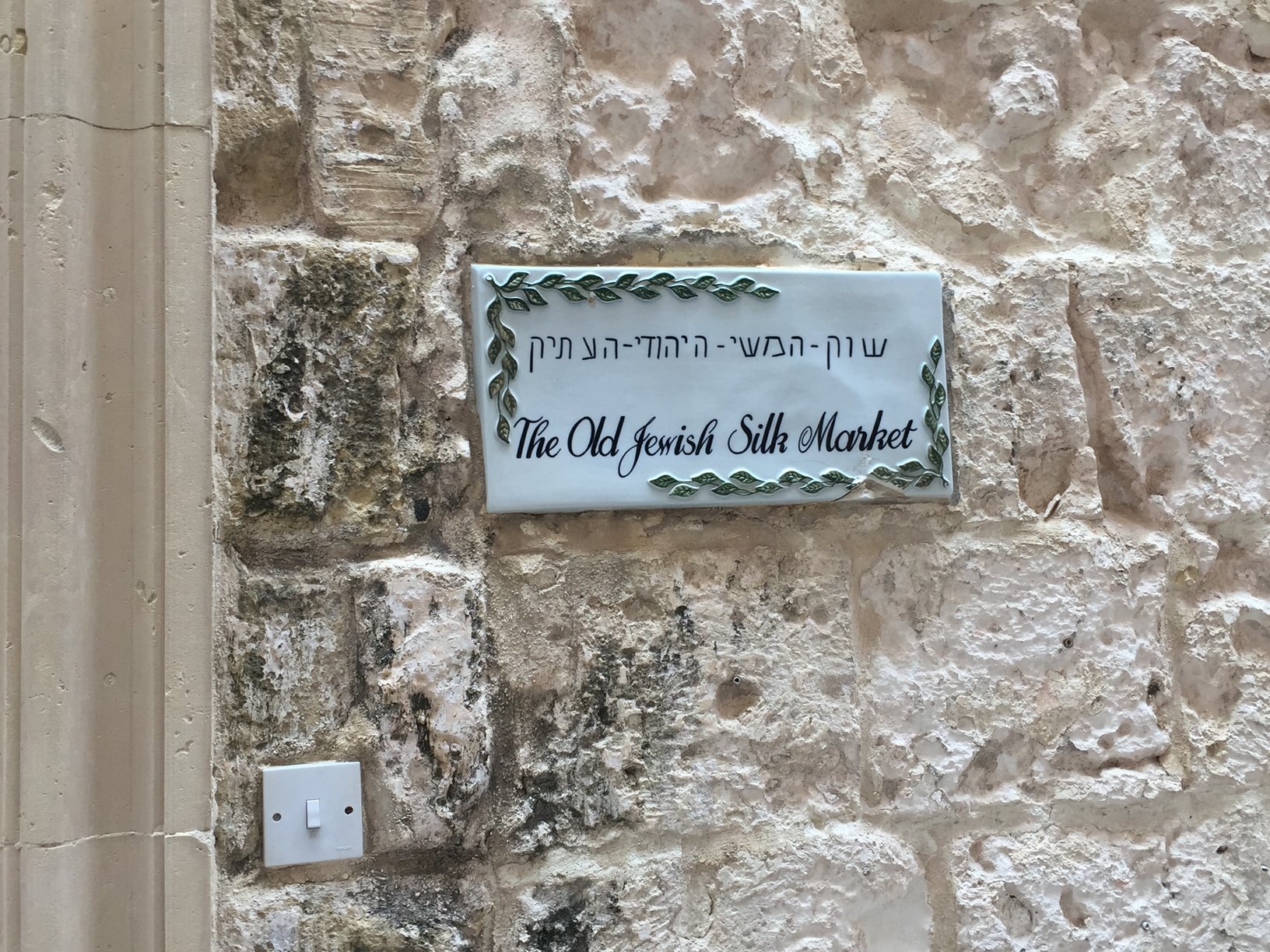
Today it has only 270 people, and it is considered a residential area for the rich. At the end of the main street there is the Bastion Square, and the large beautiful building in front of the square stands on the grounds where the synagogue stood
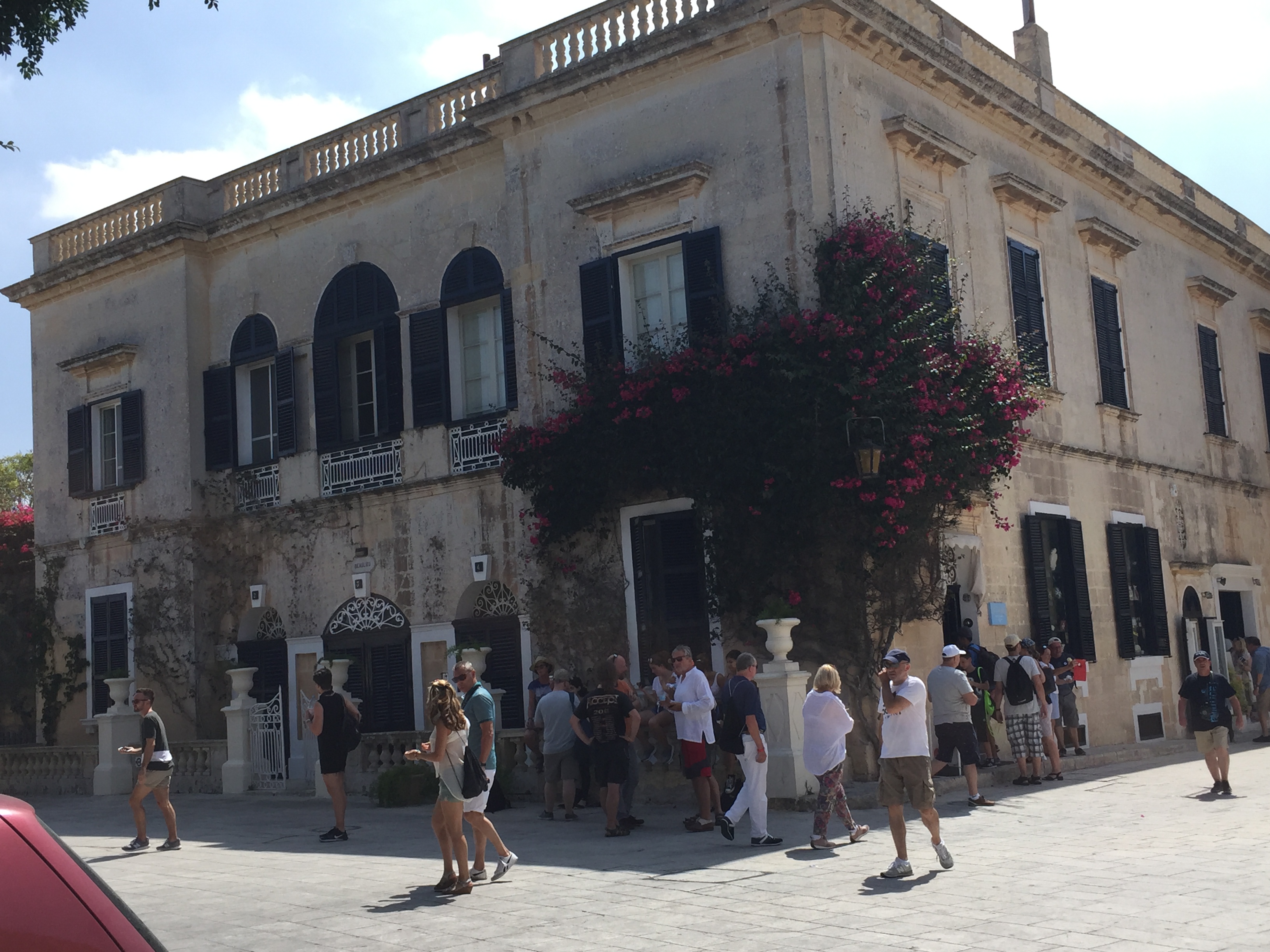
As we walk through its alleys, you should pay attention to the stone frames of the front doors. In some of them you can see signs of Mezuza
The city is surrounded by a wall like in Jerusalem, with a beautiful gate. As we pass  through the gate, we will immediately turn right to the stairs that go down half a story. This is the door to the torture cellar of the Inquisition. Malta was under Spanish government. According to Spanish law in the Middle Ages, a sentence is executed only if the defendant pleads guilty. The Christians invented horror methods "to convince" the criminals to plead guilty. One of the most serious crimes was the secret observance of Judaism and Mitzvot. Quite a few of the people who were tortured in this cellar were Jews "Anusim
Inside the Inquisition Torture Chambers
n the basement rooms we see various methods of torture, the reconstruction of a hand amputation, stretching of limbs, hanging in the air with the head down, high hand tying behind the back, and even a fire on a stage. Shocking sights. In the corridors of the basement and in its rooms are dim lighting in different colors. The screams of pain emanating from speakers freeze the blood. I wonder if it is appropriate to bring children there
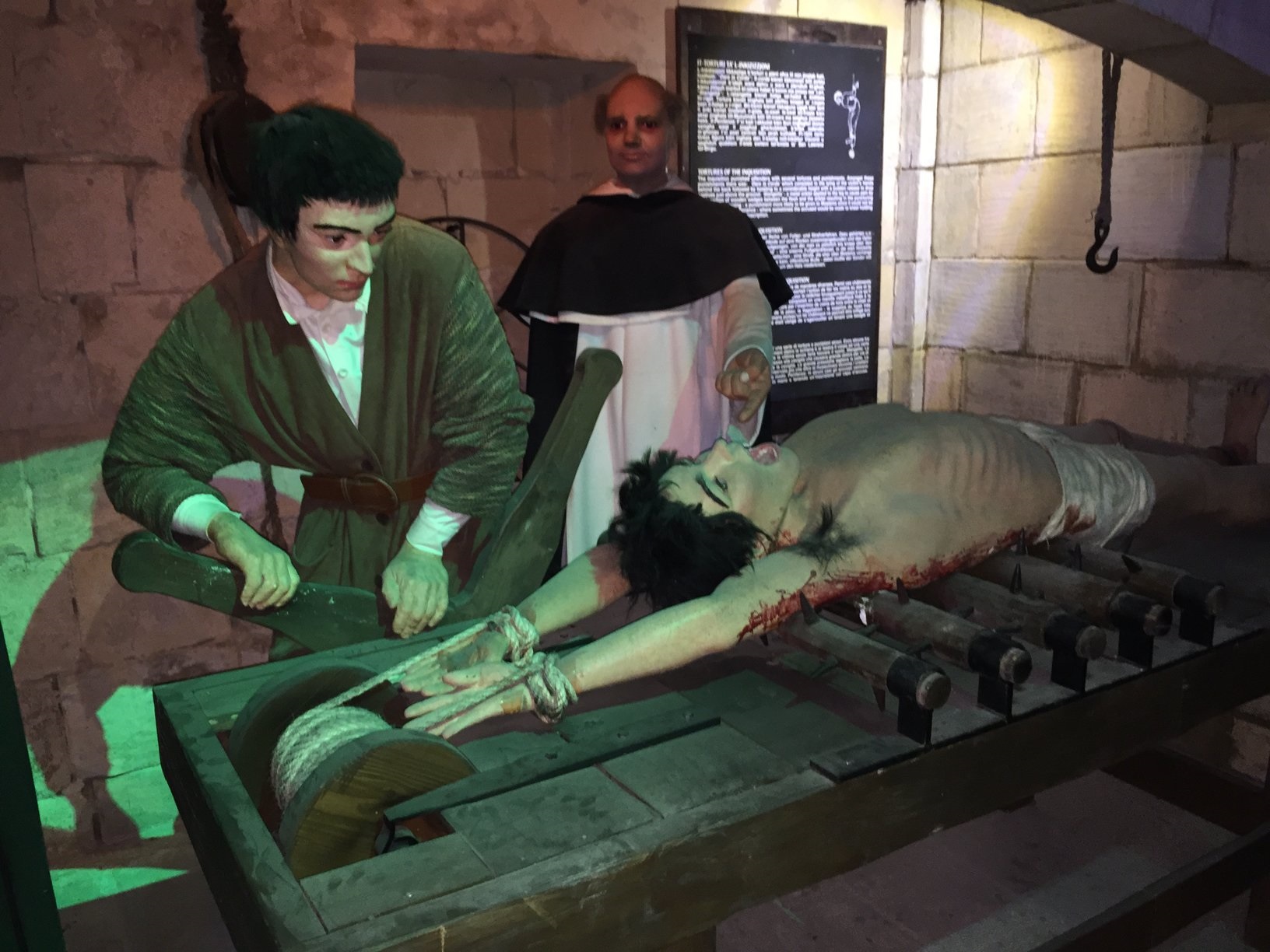
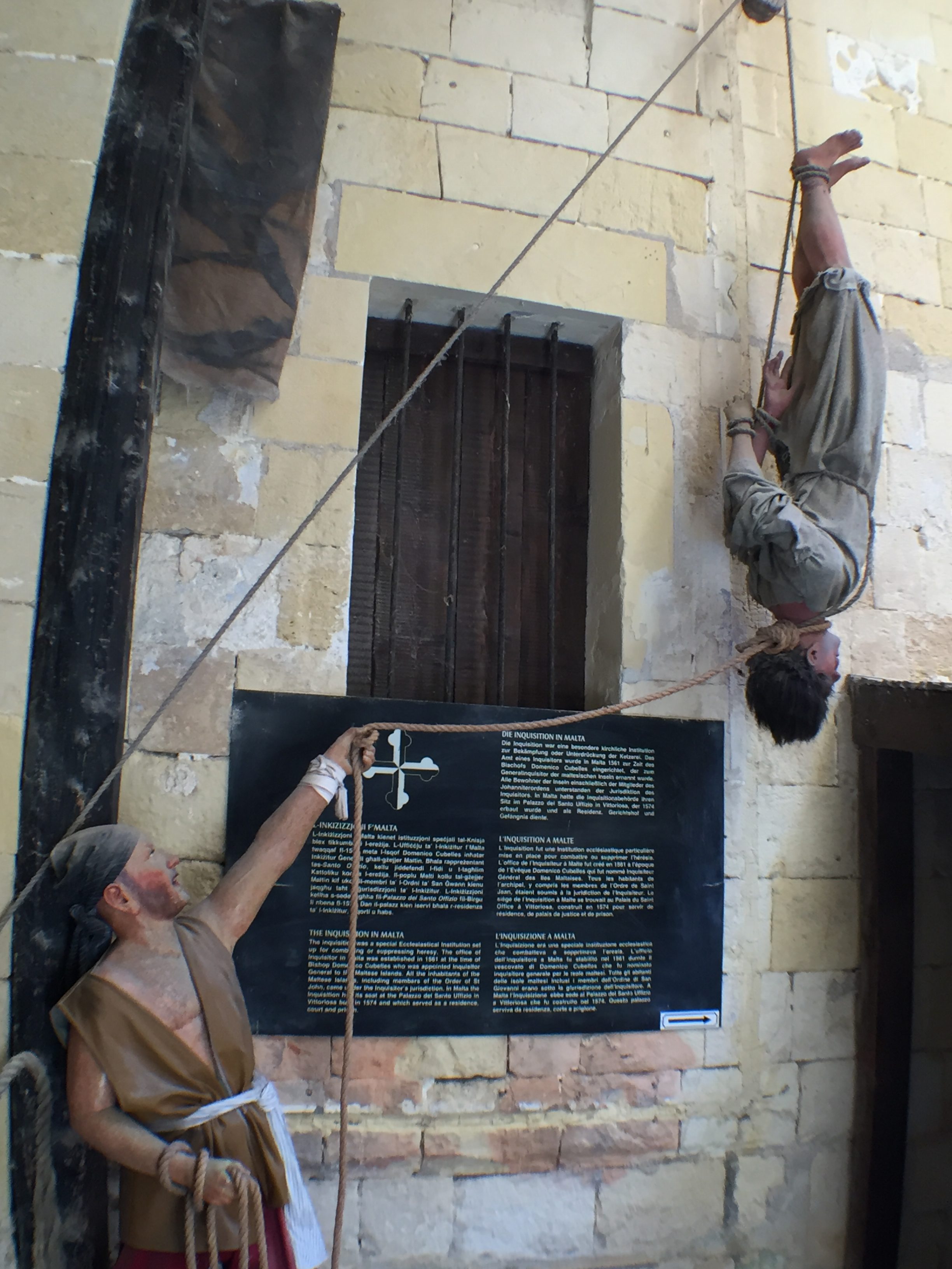
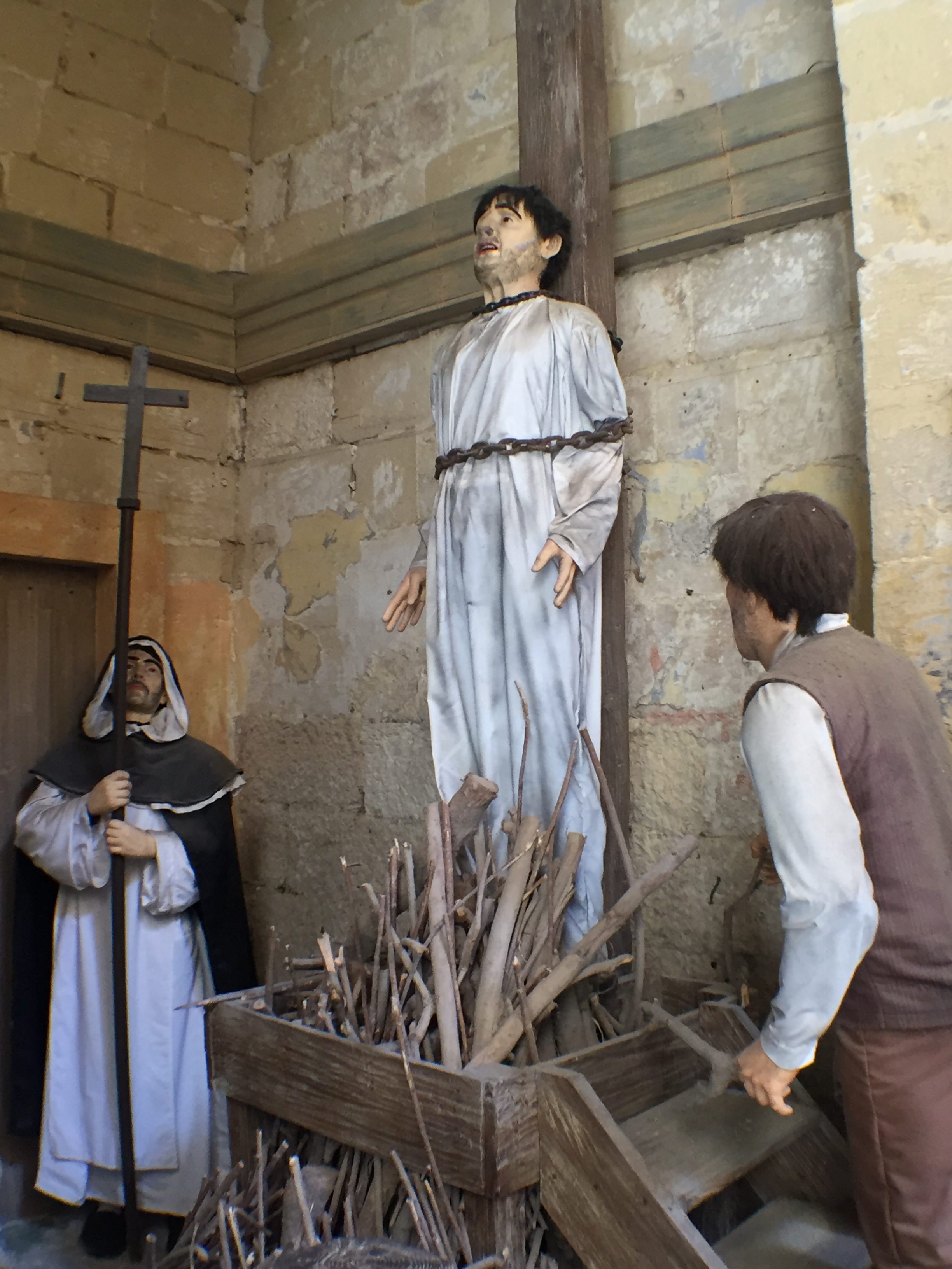
I left the cellar with a deep sense of sorrow for the suffering our Jewish ancestors. But on the other hand I felt relieved and happy. I thought what they would say if they were allowed to pass through the tunnel of time and reach the Land of Israel in our generation? What would they say about our quality of life compared with their lives in their time? It is reasonable to assume that they would say, "We have reached heaven
-
Kalkara Cemetery and the Story of Jewish Captives
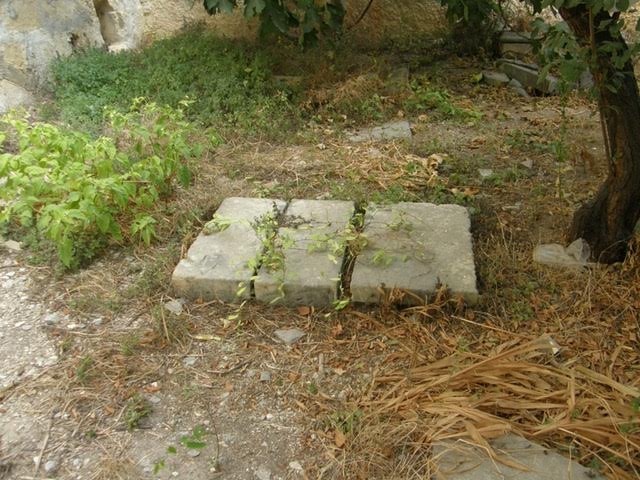
There are three Jewish cemeteries in Malta, the most interesting one is in the town of Kallkara
In the Knights' Order there were also pirates. They stooped Muslim ships and brought them to Malta. The goods in the ships were taken for themselves or traded in, and the passengers and sailors were taken captive to be sold as slaves. Among the passengers on board many Turkish ships were also few Jewish merchants
Jewish Prisoners and Pidyon Shvuyim
The Jews taken captive were imprisoned in a special area, because their families were willing to pay high ransom for their release. The phenomenon was so widespread that the Jewish community of Livorno, Italy, held a representative in Malta who dealt only with "prisoners' redemption" (Pidyon Shvuyim). The negotiations lasted many months. Some of the Jewish prisoners passed away in captivity, and they were buried in a special section in this cemetary
-
Active Synagogues and Kosher Life in Modern Malta
Two synagogues are active in Malta. The Jewish community in Malta currently has about 250 members, but the president of the community, Reuven Ohayon, says there  are about two times more Jews who prefer to hide their Jewishness. The community offices and the synagogue are located in an apartment in an ordinary residential building. The internal walls have been removed to create a large space for a synagogue. From the outside there is no sign that there is a synagogue there. This indicates the fears of the Jews of Malta. In the synagogue prayers are held only on Shabbat and Jewish holidays
Address: 1 Florida mansions, Enrico Mizzi Street, Ta'Xbiex
L'Chaim Restaurant and Chabad House
Six years ago, the Chabad House in Malta was opened by Rabbi Haim Segal. On the front of the Chabad House there is a "L'Chaim" kosher restaurant. The gourmet food is excellent and tasty and inexpensive
Address: 83 Gorg Borg Olivier street, San Julian
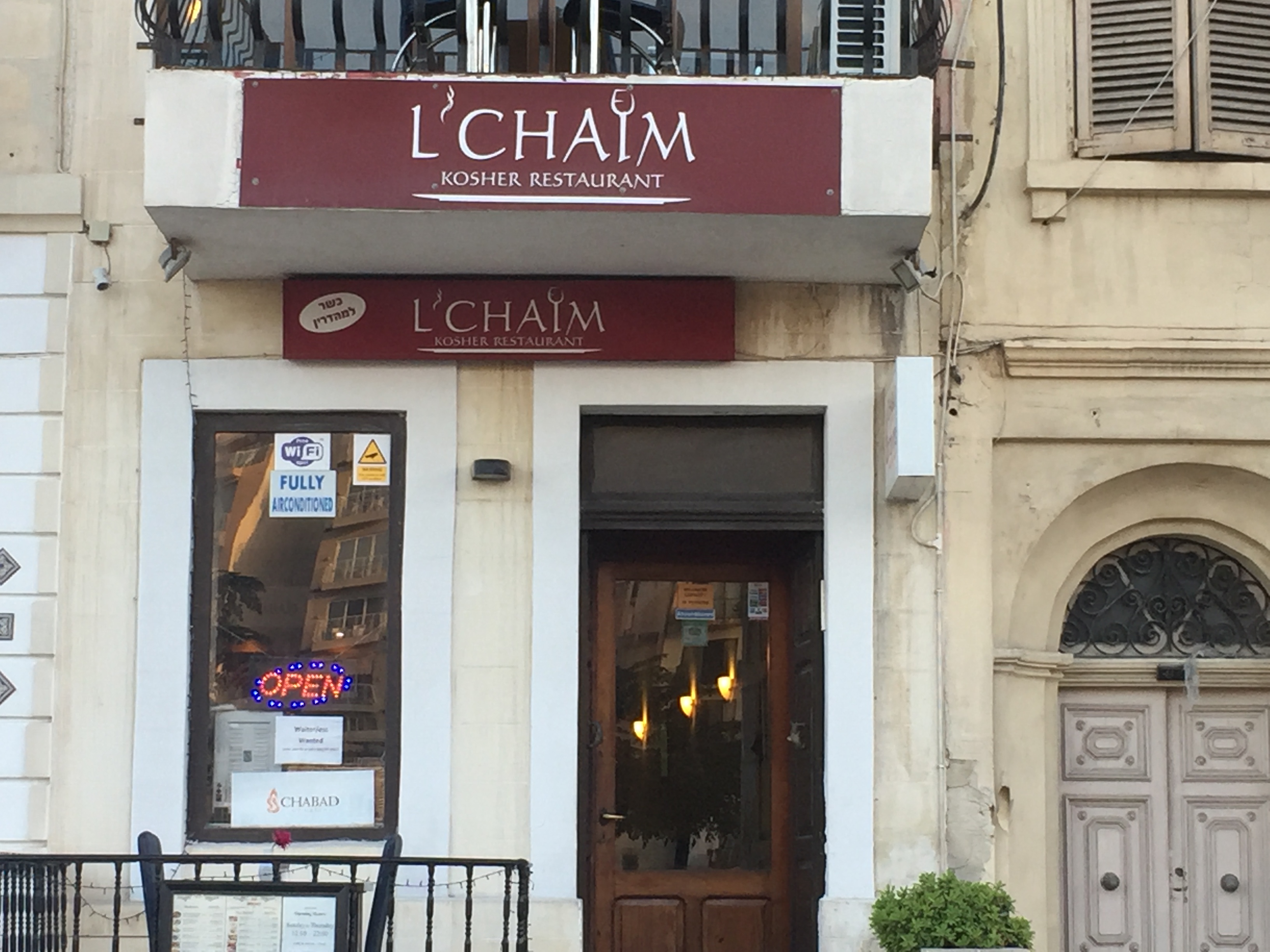
At the back of the restaurant there is a Shtibel with a Holy Ark. Usually they have Minyans only on Kabalat Shabbat. However, on the days when I was in Malta there was a minyan for Mincha and Maariv in the middle of the week
Jewish Heritage Malta is not limited to museums or historic plaques. It lives in ancient tombs carved with menorahs, in the narrow streets of former ghettos, in the memory of Jewish captives and scholars, and in the prayers still recited today in Malta's active synagogues. Travelers who follow this Jewish trail discover not only Malta's history but also a powerful chapter in the wider story of Jewish survival across the Mediterranean.
The best way to get to these places is on daily Air Malta flights
FAQ
What are the most important Jewish heritage sites in Malta?
The most significant sites include the Jewish catacombs in Rabat, Mdina's former Jewish quarter, Birgu's Jewish Street, Kalkara Cemetery, and Malta's active synagogues. Together they tell the story of more than two thousand years of Jewish presence on the islands.
Can visitors enter the Jewish catacombs in Rabat?
Parts of the catacombs can be visited, although access regulations may change over time. Visitors should check local opening information before arriving.
Who was Rabbi Abraham Abulafia and why is he connected to Malta?
Rabbi Abraham Abulafia was one of the most influential Jewish mystics of the Middle Ages. He spent his final years on Comino Island, where he wrote important Kabbalistic works.
Is there a Jewish community in Malta today?
Yes, Malta has a small but active Jewish community. Synagogues, Jewish services, and kosher dining options are available for visitors.
Are there kosher restaurants in Malta?
Yes, travelers can find kosher food through Chabad Malta, including the well-known L'Chaim restaurant. It serves both tourists and members of the local Jewish community.
Why is Malta important for Jewish heritage tourism?
Malta combines ancient Jewish archaeology, medieval history, Kabbalistic heritage, and active Jewish life in one compact destination. Few Mediterranean countries offer such a diverse range of Jewish historical sites.
Many thank to Mrs. Janet Grech of MTA for helping research for this Aricle