
An interview with Abby Ya-Ping Lee, Taiwan’s Ambassador to Israel, on colorful festivals, jaw-dropping nature, vegetarian food you can trust, and how Israelis can explore Taiwan for under $50 a day.
“Every weekend, we explore a new corner of the country,” says Abby Ya-Ping Lee, Taiwan’s ambassador to Israel, reflecting on her three and a half years in the Holy Land. “We’ve been everywhere. From the Golan Heights to Eilat. What surprised us most is how deeply Israelis connect with their heritage. Wherever you go, someone is ready to tell you what happened there 2,000 years ago, then offer you a strong cup of black coffee.”
But let’s shift for a moment from the Middle East to the Far East. Taiwan, an island nation renowned for cutting-edge technology and lush, green landscapes, is eager to welcome more Israeli travelers.
There’s huge potential, but it hasn’t yet been realized. That’s what we’re hoping to change.
When is the best time to visit Taiwan?
“In terms of weather, November through March is ideal. Less rain. But truthfully, there’s something to experience all year long.

Take the Lantern Festival: people write wishes on paper lanterns, light them, and send them floating into the night sky. There’s also the Dragon Boat Festival, and the Mazu celebrations filled with traditional Chinese folklore.”
What about for nature lover tourists?
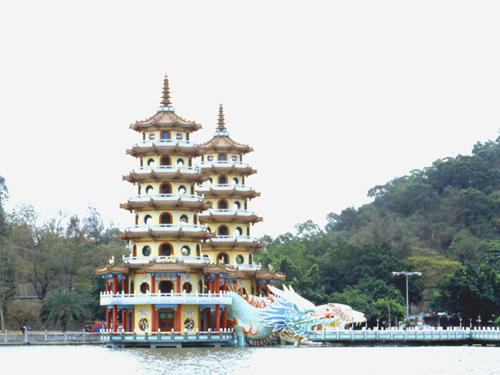
“There’s so much,” she says, her face lighting up. “Just two hours from Taipei, you’ll find Taroko National Park, with its dramatic marble cliffs, like something out of Jurassic Park. Then there’s Sun Moon Lake, where you can watch indigenous dance performances. And in the south, Kaohsiung offers a mix of street food, pop music, and an electrifying nightlife scene.”

And if you had to choose just one place that’s close to your heart?
“That’s a tough one,” she smiles. “But if you only have three days, I’d recommend starting in Taipei. Visit the iconic Taipei 101 Tower, the National Palace Museum, the Chiang Kai-shek Memorial, ancient temples, and our vibrant night markets. Nearby is Pingxi Village, once a gold mining town, now famous for its lantern festival- a magical, almost spiritual experience.
And there’s more: bubbling hot springs in Beitou and Tainan, misty hiking trails through Taiwan’s high mountains, and a nightlife scene in Kaohsiung that never sleeps.
It’s a land of contrasts, where tech meets tradition, and temples meet trendy night markets. And for Israeli travelers.”

How many tourists visit Taiwan each year?
Roughly 11 million travelers visit Taiwan annually.
And how many of them come from Israel?
In 2023, around 10,000 Israeli tourists made their way to Taiwan. Before the Covid pandemic, that number reached approximately 15,000. We're aiming to return to those levels and even surpass them. Our target for 2025 is to welcome 10,000 Israelis, and by 2026, we hope to see that number rise to 15,000. This past February alone, more than 1,000 Israelis visited Taiwan- a seasonal record.
Why hasn’t Taiwan become a mainstream destination for Israelis like Thailand?
There’s a widespread but inaccurate perception that Taiwan is expensive, and it’s simply not true. Travelers can comfortably explore Taiwan on just $50 a day, including lodging and meals. Public transportation is affordable and efficient, accommodations like guesthouses and Airbnbs are plentiful and budget-friendly, and the local cuisine is both rich and inexpensive. The local culture is also warm and incredibly welcoming. Taiwan is free of antisemitism, and Jewish visitors feel just as safe here as anyone else.
What are your tourism goals for the coming years?
The recent spike this February is a promising sign. The next steps include stronger marketing efforts, closer collaboration with travel agents, and most importantly- a direct flight. Once that becomes a reality, we expect the numbers to grow dramatically.
What are you doing to encourage more Israelis to visit Taiwan?
We’re active in international tourism fairs like IMTM, we invite influencers, meet regularly with travel agents, and promote tailor-made programs for Israeli travelers. We know that Israelis love outdoor adventures like hiking, biking, swimming, diving, and Taiwan is perfect for that. This September and October, we’re hosting an international press trip for travel journalists, and I sincerely hope to include Israeli travel writers in future delegations.
Additionally, Israelis are visa-exempt for stays of up to 90 days. This month, we're also launching a Work & Holiday visa for Israelis under 30, allowing them to live and work in Taiwan for up to a year. It’s already popular in countries like Australia and New Zealand, and we’re confident Israelis will embrace it too.
That all sounds promising. What’s the situation with direct flights?
It’s the missing piece, and the most urgent one. We had already signed an aviation agreement with El Al before the pandemic. Unfortunately, since the war, they’ve yet to provide clear answers. I’ve shared all the relevant data with them: passenger volume, potential profits, even the optimal flight route. Currently, travelers flying from Taiwan to Israel must fly connection flights through Europe, Ethiopia or Dubai. Emirates has doubled its daily flights, recognizing the demand. El Al could easily fill two weekly flights to Tel Aviv.
Have you approached other Israeli carriers like Arkia or Israir?
Yes, but unfortunately, they don’t operate wide-body aircraft, and the distance is too long for their current fleet.
And what about Taiwanese airlines, like EVA Air or China Airlines?
They’re certainly capable, both fly regularly to New York and Los Angeles. I’m in ongoing discussions with them, but security concerns have made them hesitant. I’ve suggested starting with a weekly charter flight, a model that has proven successful elsewhere. I’m hopeful we’ll see progress by 2026.
So, how much does it really cost to travel in Taiwan?
Surprisingly little. A backpacker can comfortably get by on just $50 a day-including lodging, food, and transportation. The average tourist might spend around $150 a day, while luxury travelers can enjoy premium experiences for about $350. Taiwan offers a wide range of budget-friendly hotels, and Airbnb options are affordable, clean, and easy to find. Public transportation is top-notch-trains here run with a punctuality that would put London to shame.
Is there something Israelis don’t know about Taiwan that they absolutely should?
Yes. Taiwan is not nearly as expensive as people think. It’s also incredibly safe, and the locals are remarkably kind and welcoming. There’s a strong cultural comfort here too: there’s zero antisemitism. Jewish travelers feel completely at ease, like they belong.
And what about kosher travelers?
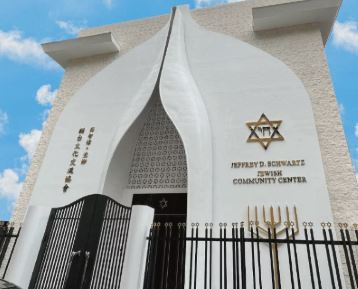
Taipei is home to a small but active Jewish community, about a thousand people. We have a Chabad House, a kosher restaurant, a synagogue, and even a small Jewish museum.
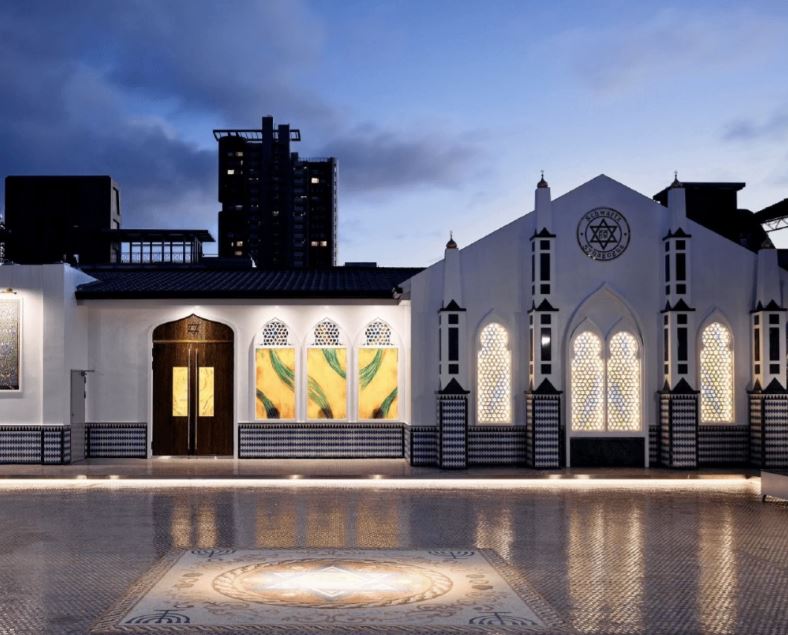
Beyond that, thanks to the fact that around 10% of Taiwan’s population is vegetarian, there’s an abundance of vegetarian food that suits kosher dietary needs, no need to worry about hidden non-kosher ingredients. There are even kosher meal deliveries available from outside the capital.
What’s your favorite place in Taiwan?
That’s a hard one! But if you’ve only got three days, I’d say start in Taipei. Explore the iconic 101 Tower, the bustling night markets, the National Palace Museum, and our historic temples. Then spend a day in Pingxi Village for the magical lantern release, an experience that touches the soul. And dedicate one more day to the natural beauty of Taroko Gorge. It’s a journey that combines breathtaking nature, deep spirituality, and warm people who are genuinely glad you came.
And finally- what do you love most about Israel?
The deep bond Israelis have with their history and their land. And the fact that, just like in Taiwan, tradition and innovation don’t contradict each other-they walk side by side.