Fiji for Israelis may sound like a dream reserved for backpackers fresh out of the army, but the South Pacific nation now wants to make it a mainstream choice. Fiji’s Ministry of Tourism is preparing a dedicated campaign for the Israeli market, despite the fact that few destinations on earth sit farther from Israel.
We sat down with Fiji’s Ambassador to Israel, Jesoni Vitusagavulu, affectionately known as “Vitu”, to hear how his country plans to win over Israeli travelers.
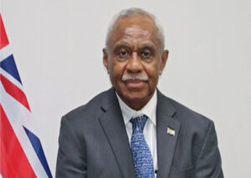
“40% of our economy is tourism,” Vitu explains. “Earnings from tourism are close to 3 billion Fijian dollars, and next year we are targeting 4 billion.” (One Fijian dollar is worth roughly half a US dollar).
“At one stage sugar was king. That’s what the British started when they were the colonial government. But agriculture is very vulnerable to weather, Fiji sits in the cyclone belt, and we have not found oil or gold in our soil. So we deliberately diversified, and we have moved into tourism in a big way.”
“In the Pacific, we are the leading tourism island. Papua New Guinea is bigger, with maybe 15 million people, but its tourism is very small compared to ours, because they are moving into minerals. Tahiti, Vanuatu and the Cook Islands are into tourism too, but Fiji is the biggest.”
How many tourists visit Fiji each year?
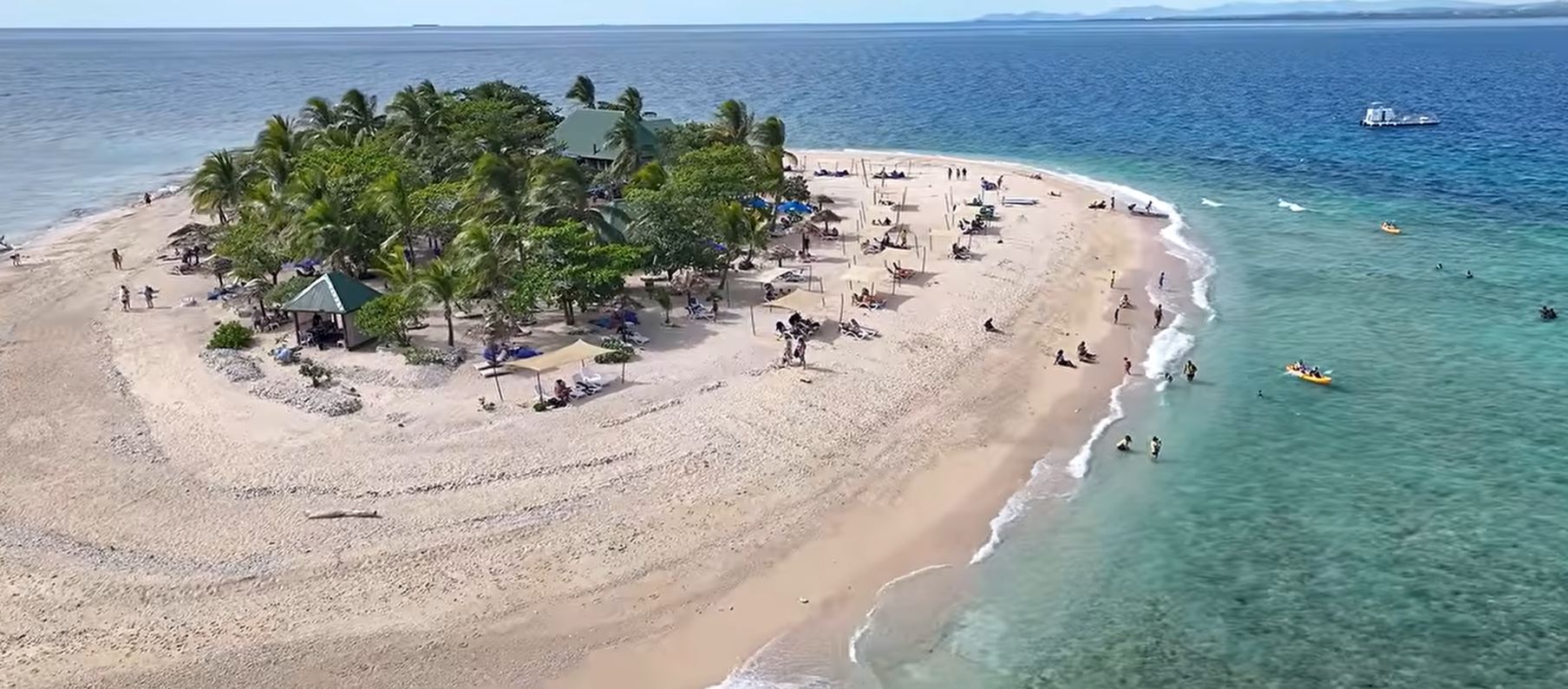
“Last year we had about a million visitors. Our target is 1.2 million in 2027, and we are on course. Our population is about 900,000, so we will have more tourists than people in Fiji.”
Where do they come from?
“Australia delivers about 46%, New Zealand about 25%, and the US about 10%. We are a little lopsided, so we need to diversify. Over the next three years we want to focus on Europe, and Israel is part of that.”
And what about Israelis?
The warm ties between the two countries were on full display at the Fiji Independence Day celebration in Jerusalem, where the embassy demonstrated the traditional kava ceremony.
“About 585 Israelis came in 2025. That is very low. From January to September 2026, 624 have already come. We want to reach 1,500 in 2027, and 3,000 within three years. We know that about 10 million Israelis travel abroad every year, so if we can get a slice of that, it would really help”.
How did you arrive at such ambitious targets?
“The Israeli Ambassador to Fiji, Maya Yaron, did the same thing in Taiwan. Her husband works in tourism promotion. When they came to Taiwan, Israeli arrivals were only about 400, and by the time they left, it was 10,000. So it can be done with the right impetus.”
“Until now, Israel was not on our tourism map. Recently we held two seminars in Israel, on tourism and on trade and investment. Next, in the first quarter of next year, we will take Israeli travel agents and journalists on a familiarization trip to experience Fiji and write about it.”
How do Israelis get to Fiji?
“The common way is through Asia. You fly to Narita in Tokyo and connect with Fiji Airways. From here to Narita is about 12 hours, and from Narita to Nadi another 9. So altogether about 20 to 21 hours.”
Israelis can reach Tokyo on El Al’s direct flight, and soon with Arkia Airlines. Fiji Airways also flies from Singapore and Hong Kong. Many Israelis save on fares by flying via Dubai, Abu Dhabi or Addis Ababa, which takes longer still.
So what does a trip to Fiji for Israelis actually cost?
“The airfare is about 2,000 to 2,300 US dollars round trip. A mid-range hotel costs about 500 Fijian dollars a night, which is 250 US dollars. So for about ten days, an Israeli visitor is looking at 4,000 to 6,000 US dollars. Accommodation ranges from Airbnb apartments to luxury hotels.”
What is the best time to visit?
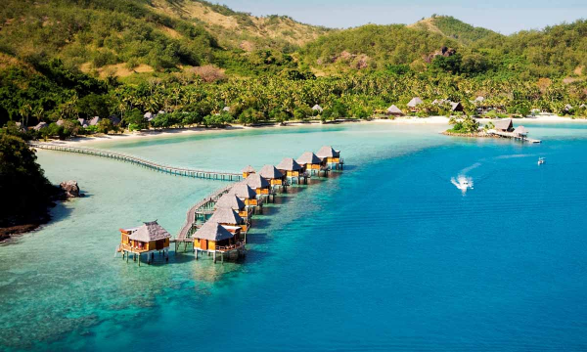
“May to October, the cool and dry months. November to April is hot and wet, around 28 or 29 degrees, and it is also cyclone season. Most of our tourists come in July and August.”
What attractions await us?
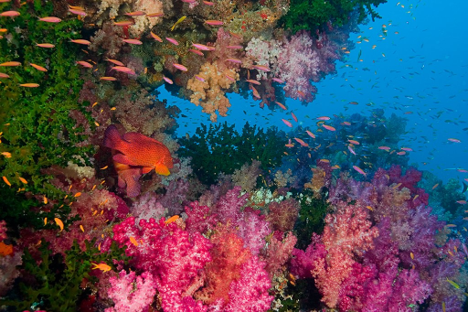
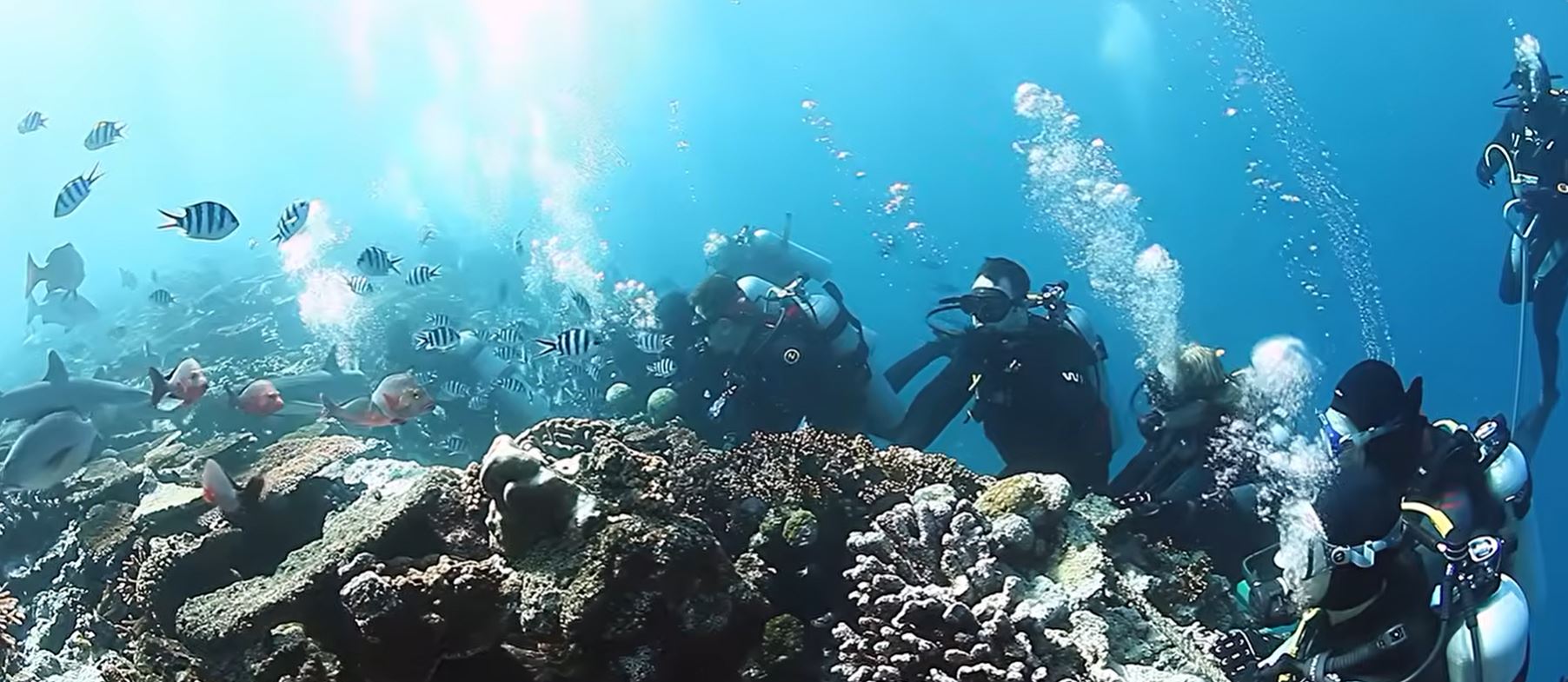
“You can tour the islands, enjoy cultural experiences, fire walking, surfing and diving. Fiji is the soft coral capital of the world.”
“The Rainbow Reef, off the island of Taveuni, is far from the international airport, but Israelis are already there.
When I went for the opening of the Israeli Embassy, I told people we were trying to bring tourists from Israel. They said, they’re already coming! Young people who have just finished their national service. They want to go as far away from Israel as possible.” On the beaches and in the bars there, you hear a lot of Hebrew.
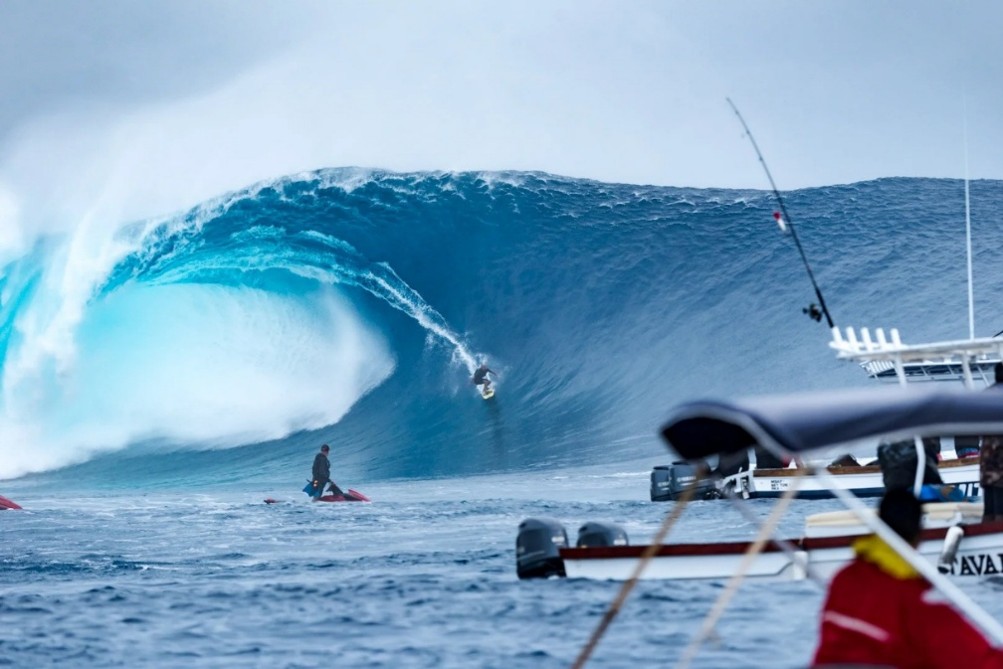
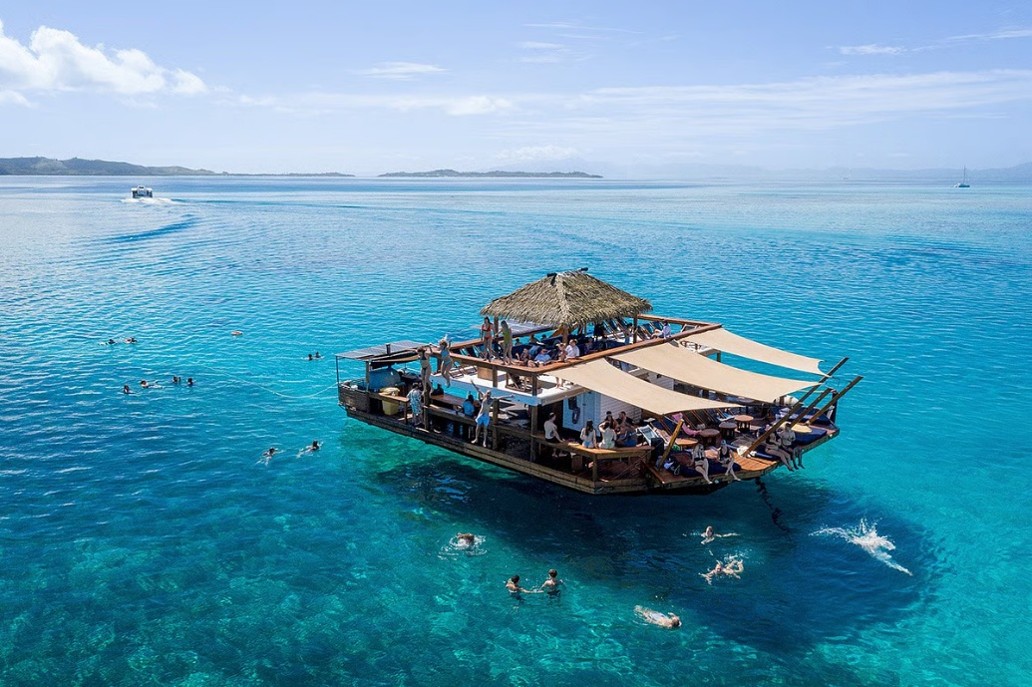
“Tavarua is world renowned for surfing. People come for honeymoons. For children we have swimming, snorkeling, crab racing, hiking and storytelling. The most popular cruise is a four night voyage covering most of the main attractions.”
“But our biggest asset is our people. About 40 to 50% of visitors come back, many because of the friendliness of Fijians. You can leave your kids with the hotel staff and they will be well taken care of.”


Travelers planning their first trip can find islands, resorts and seasonal tips on the official Tourism Fiji website, the national tourism body behind the new campaign.
Tell us about Fiji’s history.
“We have lived in Fiji for about 3,000 years. Legend says we came from Africa, from Tanganyika. But archaeological evidence shows that our Melanesian ancestors came from Southeast Asia, island hopping in canoes they built themselves. It was the same period King David’s Jerusalem was the capital of Israel. Like the Jewish people, we have a very long heritage. And we were big time navigators, using the stars.”
What should we know about your culture?
Tribal ceremonies are still practiced today, including warrior dances in grass skirts, performed with spears and weapons.

The best known ritual is the kava ceremony. Kava is made from the roots of a special plant, soaked in large wooden bowls and mixed by hand while traditional words are recited. It is poured into coconut shell cups and served according to the rank and age of those present. The embassy demonstrated it at Fiji’s recent Independence Day celebration in Jerusalem.
What about the image of cannibalism that has followed Fiji?
“We were very tribal, very barbaric, and we were cannibals. People did not eat human flesh out of appetite. It began as a custom in which victors in war ate their defeated enemies. Then in 1835 the first missionaries came, and the gospel they brought transformed us. Today we are some of the friendliest people in the world. That’s why our affection for Israel is so strong. We are thankful for the gospel that came from here.”

Is there any trace of it left?
“In the Fiji Museum you can see the cannibals’ special utensils, war clubs, spears, war drums and the canoes our ancestors came in.”
Is there any Jewish presence in Fiji?
“There is Henry Marks. He came from Australia at the end of 19th century, when he was 20, built a business, and was very influential in commerce and politics. He was a member of the Legislative Council, which is like your Knesset, and always took pride in being Jewish. He died in 1939 and is buried in Levuka, Fiji’s old capital.”
What does Fiji offer travelers who keep kosher?
“The Jewish community is very small, about a dozen people, including your embassy staff. There are no synagogues and no kosher restaurants. Still, kosher travelers can manage at our vegetarian restaurants. We need investments like the kosher restaurant now being considered.”
Jerusalem restaurateur Meir Ben Ezra, owner of Tauro, is expected to visit Fiji soon, both for a personal trip and to explore opening a kosher restaurant there.
With direct flights to Tokyo, a growing presence on the Israeli travel map and a genuine warmth toward Israel, Fiji for Israelis is no longer a far-fetched idea. The journey is long and the budget is not small, but coral reefs, ancient traditions and some of the friendliest hosts in the world are waiting at the other end. If the embassy reaches its goals, you may soon hear even more Hebrew on the beaches of Taveuni.