
At dawn, Hanoi wakes slowly beneath a veil of tropical humidity. Women carrying baskets of lychees cross narrow alleys scented with fish sauce, jasmine, diesel smoke, and fresh mint. Somewhere nearby, a temple bell trembles through the morning haze while scooters pour like rivers through the colonial boulevards. Jewish Travel in Vietnam begins long before the first tourist site. It begins in the strange realization that this distant country, stretching between mountains and jungle rivers, carries unexpected echoes of Jewish memory, exile, resilience, and survival. Vietnam is not merely another Asian destination for Israelis. It is a place where history twists in improbable directions, linking Ben Gurion, Ho Chi Minh, Holocaust survivors, Chabad houses, and wandering backpackers beneath the same monsoon sky.
The Surprising Historical Connection Between Israel and Vietnam
In the midst of global upheaval and change, history often unveils unlikely connections. Imagine the year 1946, when the winds of transformation swept across nations. Two visionaries, David Ben-Gurion and Ho Chi Minh, found themselves in an unusual alliance on the cusp of extraordinary events. Before the establishment of Israel, Ben-Gurion and Ho Chi Minh struck up an unusual friendship
Ben-Gurion, expressing his frustration at the British government's hindrance of Holocaust survivors seeking refuge in Eretz Israel, turned to his Vietnamese confidant. This conversation laid the foundation for a remarkable proposal - the establishment of an exiled Jewish government in Vietnam. Ho Chi Minh, who would later become Vietnam's president, allocated an autonomous territory in Gia Lai and Dak Lak Provinces for the "Tribe of Judah." However, Ben-Gurion's commitment to Zionist principles led him to decline this intriguing offer
Fast forward three decades, and the world witnessed a familiar narrative. Ships filled with refugees were stranded at sea, desperately seeking sanctuary. This time, it was Vietnamese refugees facing an uncertain future. Remarkably, Menachem Begin, Israel's Prime Minister, extended a noble hand to these refugees, unaware of the historical connection between Ben-Gurion and Ho Chi Minh
As a second-generation Holocaust survivor, the hypothetical acceptance of Ho Chi Minh's proposal carries personal significance. Who knows? I, and many of our readers, might have called Vietnam our home today, and declared "Tôi cũng là người Việt" (I am Vietnamese too). This unique historical connection fuels our warm affinity for Vietnam, a place that stirs the hearts of Israelis. The recent appointment of Ambassador Ly Duc Trung, who tirelessly promotes Israeli tourism in Vietnam, highlights the growing bond between our nations
Kosher Food and Chabad Services Across Vietnam
Vietnam, once a destination primarily for backpackers, now beckons to a broader audience, including religious Jewish travelers. The Vietnamese Ministry of Tourism collaborates with Chabad houses in Saigon, Hanoi, and Hu Yang, offering kosher food and dedicated services for us. Brochures highlight kosher options, and a list of local kosher chefs eases the way for organized tour groups
Israeli Tourism Companies and Private Kosher Chefs
For those seeking a more personalized experience, Israeli tourism companies go the extra mile, equipping their groups with kosher cooking facilities and even private chefs. Ambassador Trung assures us that keeping kosher in Vietnam is made easier by the abundance of vegetarian restaurants and imported kosher products bearing the OU symbol
Planning Jewish Travel in Vietnam
In the past, there was a large Jewish community in Vietnam, and at the beginning of the last century there were several synagogues with rabbis and two Jewish schools. In 1940, the Vietnamese adopted the antisemitic "Jewish status law" of the Vichy rule, and most Jews abandoned Vietnam. The Jewish community organization evaporated, and no trace left of the glorious Jewish institutions. In times gone by, Vietnam was home to a thriving Jewish community, complete with synagogues, rabbis, and Jewish schools. However, the dark cloud of antisemitism forced most Jews to depart. Today, a small Jewish community remains in Vietnam, primarily consisting of former Israelis and American veterans who chose to call Vietnam home
Ambassador Ly Duc Trung proudly notes that Vietnam's quest for independence was underpinned by the actions of the French Prime Minister Pierre Mendes France, a Jew. This shared historical link echoes the experiences of many nations striving for self-determination
National Geography
The length of Vietnam is about 3000 km, like the distance from Jerusalem to Munich, and it extends over 10 latitudes. It is divided into three geographical areas: the Red River and the Pensifan Ridge (in the north), the South China Sea coast (in the center), and the Mekong Delta (in the south of Vietnam) i
Vietnam's diverse geography spans ten latitudes, encompassing three distinct regions. In the north, Hanoi, often referred to as the "Jerusalem of Vietnam," epitomizes the harmonious blend of tradition and modernity. Its aesthetic fuses authentic East Asian motifs with traces of French colonial influence
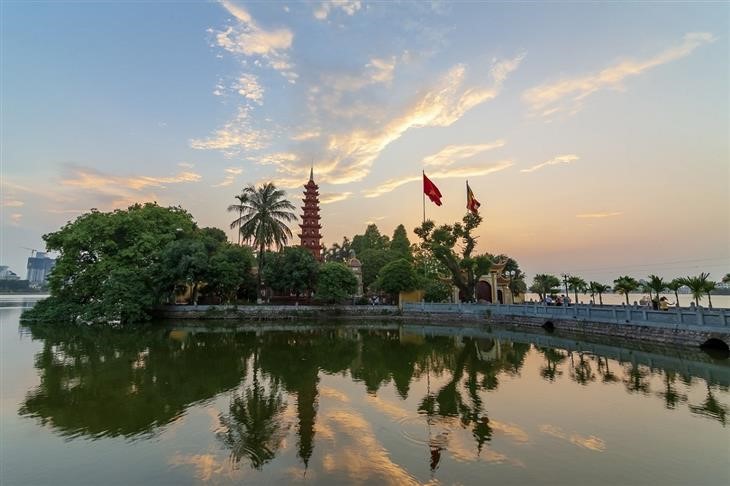
Why Hanoi Is Called the Jerusalem of Vietnam
The capital city is Hanoi in the north, which is considered like "Jerusalem of Vietnam". It, too, is seen as a charming combination of old and new, between splendor and simplicity, and between authentic East Asian motifs and French colonialist motifs
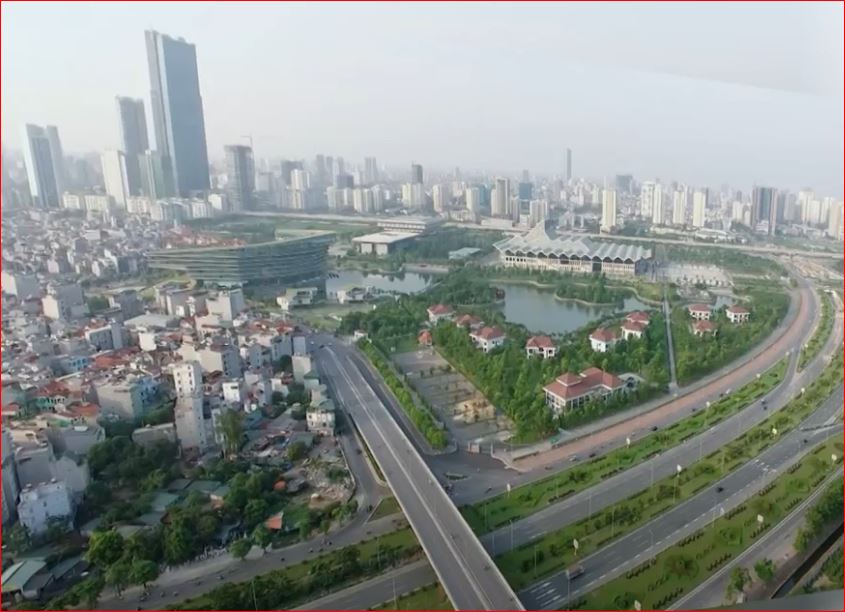
Central Vietnam boasts two cities, Da Nang and Hu Yang, which have gained popularity among Israeli and Asian tourists. Over recent decades, Vietnamese citizens have been granted greater freedom to explore their own country. In the town of Alma, just 40 km from Da Nang, an Israeli-owned resort hotel, although not kosher, warmly welcomes tourists from the former USSR
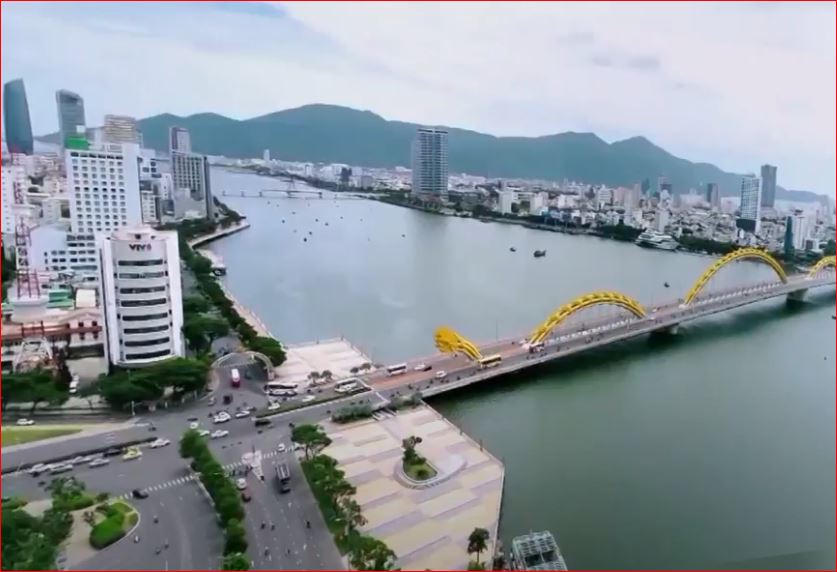
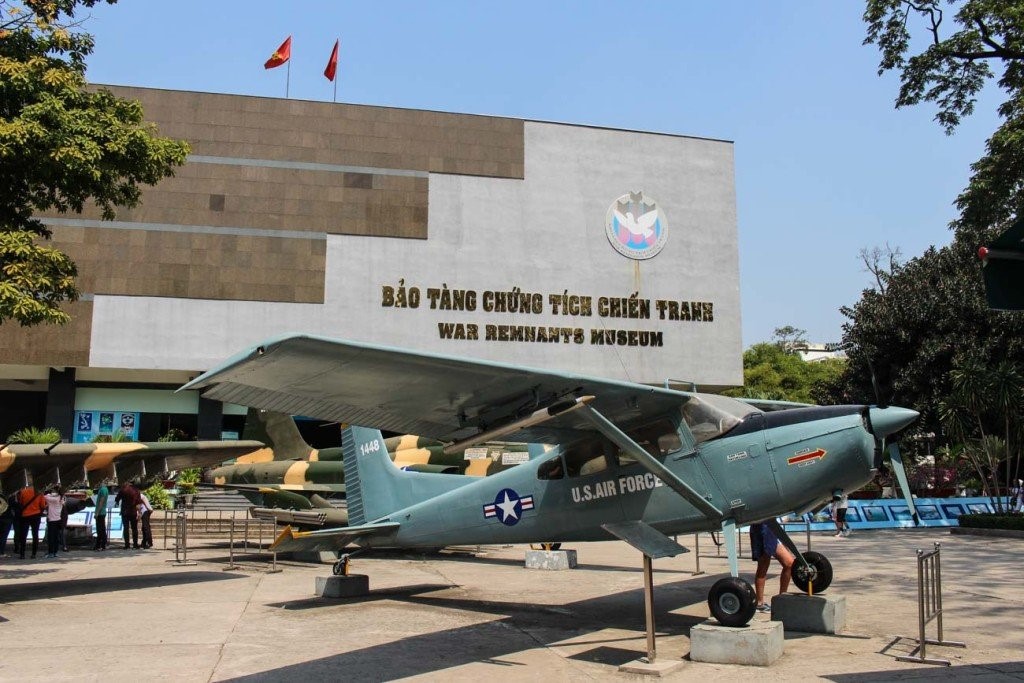
To the south lies the economic capital Ho Chi Minh City, formerly Saigon, which is considered by us as the "Tel Aviv of Vietnam". Today it boasts many modern skyscrapers, as well as beautiful colonial-style buildings. Some of the most visited places are Union Palace, and the War Remnants Museum, where you can learn about the Vietnam War and its historical impact. Today, many Israelis call this city home
The Most Beautiful Tourist Attractions in Vietnam
Ambassador Trung highlights several must-visit places in Vietnam:
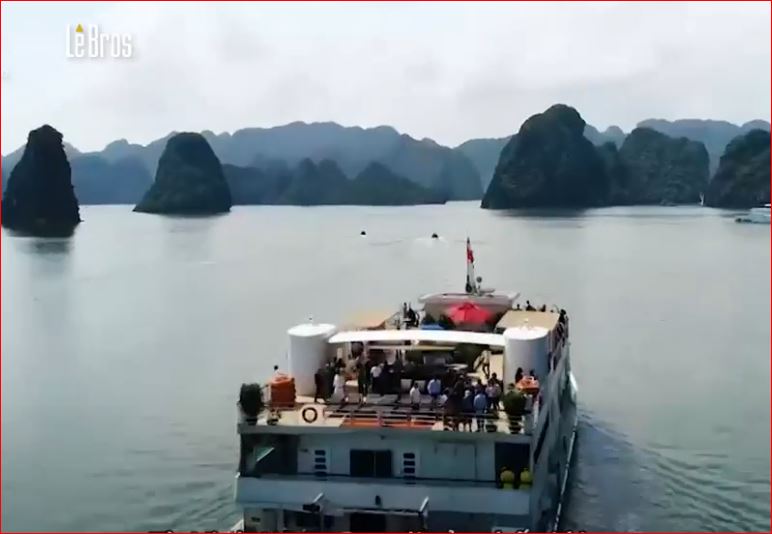
Hạ Long Bay:
Known for its breathtaking rocky cliffs that rise from the sea, it's one of the "7 Wonders of the Natural World."
Hue
The historic capital of Vietnam with its stunning architectural wonders
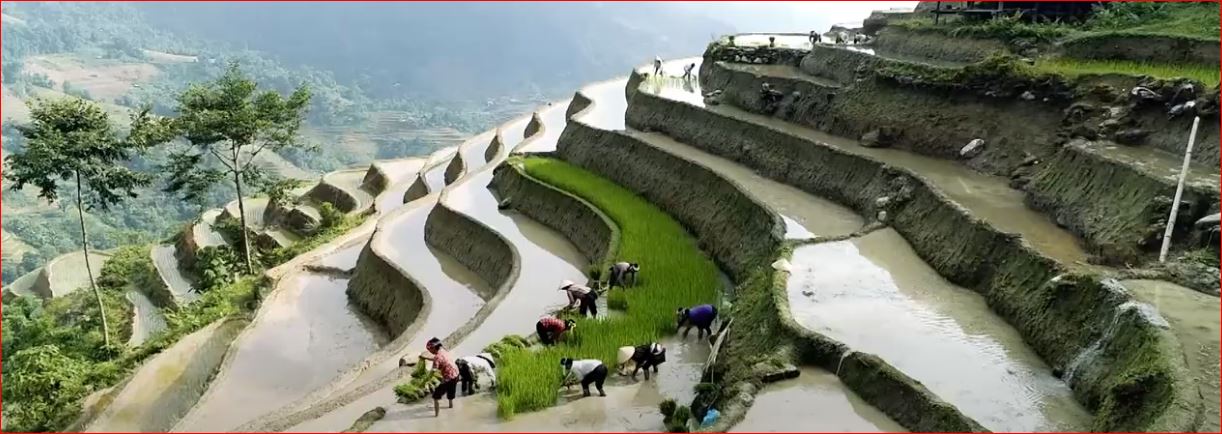
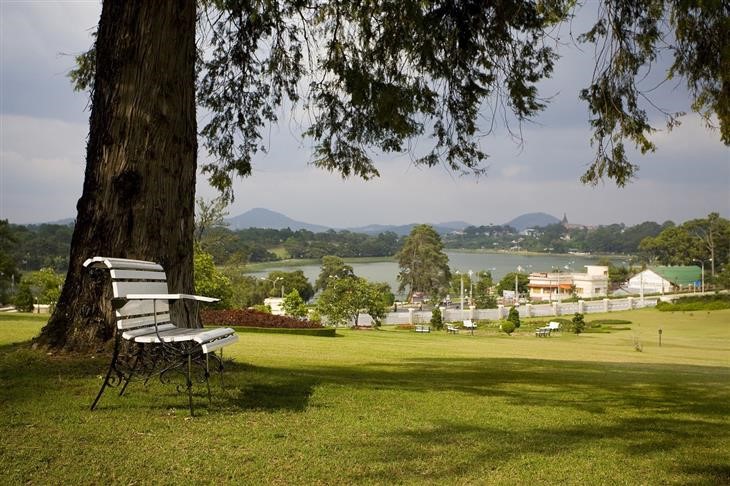
Da Lat
A charming resort town offering motorcycle trips, with a historical connection to Holocaust survivors
Cu Chi Tunnels
Explore the underground tunnels used during the Vietnam War, which hold significance to various contemporary conflicts communities
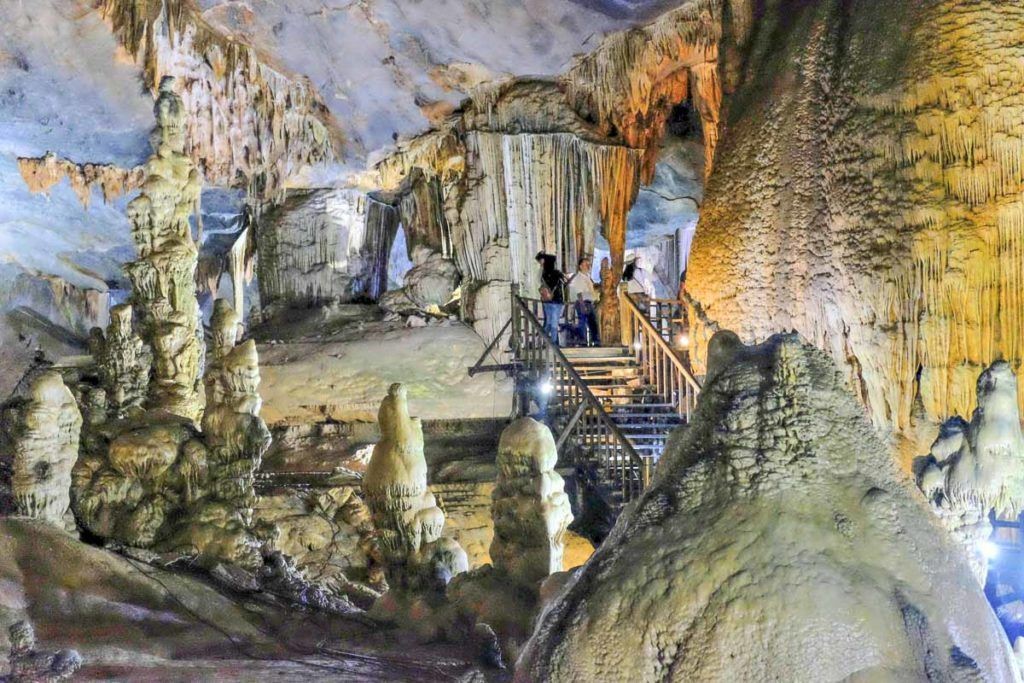
Bac Ha Market
Located about a 3-hour drive from Sa Pa, full of shops and stands offering local handicrafts and clothing that characterize the area. Israelis like to buy souvenirs there
Hội AnIt
is a resort town recognized as a UNESCO World Heritage Site. In the evening, the city sidewalk is lit with charming paper lanterns. There is an ancient Japanese bridge, which is considered the symbol of the city
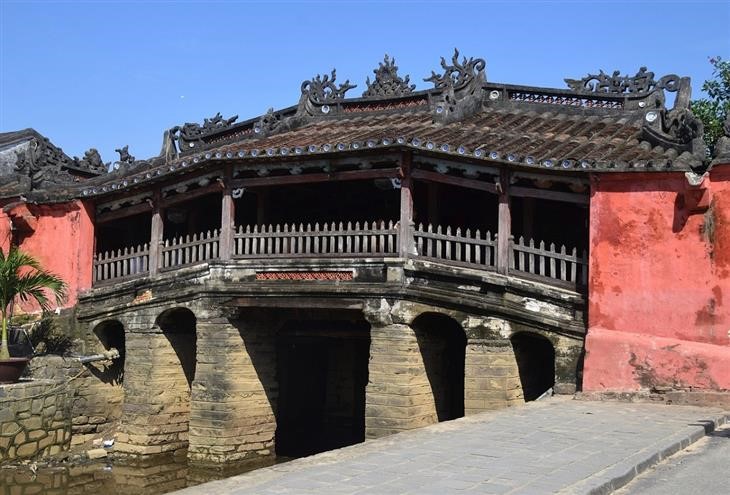
The city is known as the "tailor capital" of Vietnam. We can order tailor-made clothes and suits from local tailors for bargain cheap prices, and they will sew them quickly within a few hours
Agricultural Tourism and Rural Vietnam
The latest tourism trend in Vietnam revolves around agricultural tourism. Visitors can immerse themselves in the serene surroundings of tea and fruit orchards, picking luscious lychees and fragrant flowers. The joy of savoring freshly harvested produce adds a unique charm. Fishing with locals and participating in cooking workshops enhance the rural experience. Traditional singing and dancing performances add a dash of artistic folklore to complete the journey
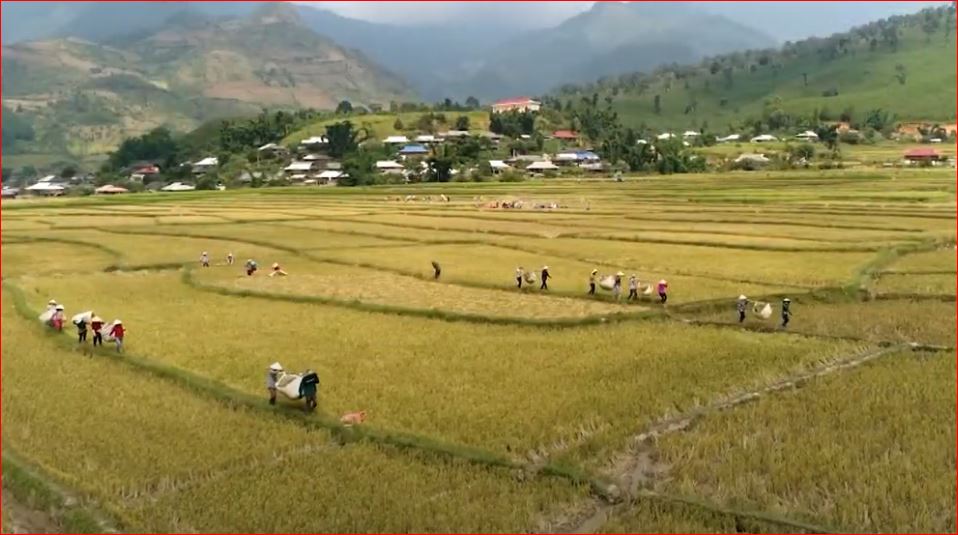
Ambassador Trung also suggests that it's a gateway to explore the Mekong Delta and rural areas, offering a blend of nature, history, and culture Pagoda of Thian Hau
Vietnam's allure lies in its rich history, unique ties to Israel, and a landscape teeming with adventure. As the wheel of history turns, new connections and experiences await those who venture to this captivating land
Jewish Travel in Vietnam Along the Mekong River
To the west of Ho Chi Minh City flows the Mekong River, the 11th longest river in the world, stretching from Tibet through several countries and into Vietnam. Travelers can embark on a cruise along the Mekong, witnessing the bustling river trade. Don't miss the Kai Rang Floating Market, a window into traditional Vietnam and its natural beauty
West of Ho Chi Minh City is the Mekong River, 4,350 km long, which is considered to be the 11th longest in the world
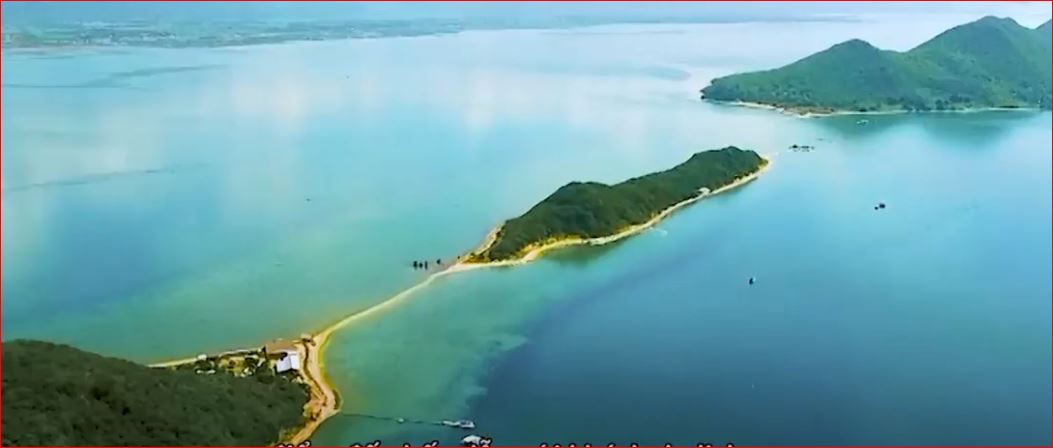
Its flow starts in Tibet, passing through China, Myanmar, Laos, Thailand and Cambodia, to the estuary in the South China Sea in Vietnam. Tourists take a cruise on the Mekong, and see the trade going on boats in the river. One of the special sites on its banks is the Kai Rang Floating Market, where we are exposed to rural and traditional Vietnam and the powerful nature it has to offer
Planning Jewish Travel in Vietnam
Visa Requirements and Entry Regulations
To visit Vietnam, you'll need a valid visa. The Vietnamese Embassy in Tel Aviv can assist in obtaining one, with the cost of 300-400 NIS, varying depending on the passport type and duration. Note that COVID-19 restrictions are in place, including mandatory testing and the requirement for groups of over five people to travel with a local guide affiliated with the Ministry of Health. Ambassador Trung hopes for more relaxed travel conditions in the near future
Future Direct Flight Possibilities From Israel
Currently, you can reach Vietnam through connecting flights. Ambassador Trung is in talks with ARKIA Airline to expand its route from Israel to Vietnam via Bangkok, making the journey more accessible
Your journey to Vietnam promises a captivating blend of history, culture, and natural beauty. Start planning your adventure today!
Toward evening, when the Mekong darkens beneath wooden fishing boats and paper lanterns begin glowing softly in Hội An, Jewish Travel in Vietnam reveals itself as something deeper than tourism. Perhaps every journey is ultimately a search for reflections of ourselves in distant landscapes. Vietnam, with its rivers, wars, temples, and improbable Jewish connections, reminds travelers that identity is rarely confined to borders. History scatters people across continents, yet fragments of belonging survive in unexpected places. Sometimes beneath jungle humidity and the sound of motorbikes, one discovers not how different the world is, but how mysteriously connected it has always been.
FAQ
Q: Is Jewish Travel in Vietnam suitable for religious travelers?
A: Yes. Jewish Travel in Vietnam has become increasingly comfortable for religious travelers thanks to Chabad houses, kosher food options, and organized Israeli tours with kosher kitchens and private chefs. Vegetarian cuisine is also widely available throughout the country.
Q: Are there Chabad houses in Vietnam?
A: Yes. Chabad houses operate in Ho Chi Minh City, Hanoi, and additional tourist areas. They provide kosher meals, Shabbat services, and support for Israeli travelers and Jewish tourists visiting Vietnam.
Q: What is the historical connection between Israel and Vietnam?
A: One of the most fascinating aspects of Jewish Travel in Vietnam is the historical relationship between David Ben Gurion and Ho Chi Minh. Before Israel was established, Ho Chi Minh reportedly offered land in Vietnam for a Jewish autonomous territory.
Q: What are the best destinations in Vietnam for Israeli tourists?
A: Popular destinations include Hanoi, Ho Chi Minh City, Hạ Long Bay, Hội An, Hue, and the Mekong Delta. Many Israeli travelers also visit Da Nang and mountain regions around Sa Pa.
Q: Can kosher food be found easily in Vietnam?
A: Kosher food is increasingly accessible in Vietnam, especially in areas popular with Israeli tourists. Chabad houses, kosher catering services, and imported kosher products help make Jewish Travel in Vietnam easier than many travelers expect.
Q: What makes the Mekong River special for tourists?
A: The Mekong River offers one of Southeast Asia’s most fascinating cultural experiences, with floating markets, fishing villages, and lush tropical scenery. For many visitors, this becomes one of the highlights of Jewish Travel in Vietnam because it exposes them to authentic rural life far from modern cities.
(Photos courtesy of Vietnam Embassy in Israel)
(