A Bucharest Travel Guide is essential for visitors discovering one of Europe's most surprising city break destinations. With elegant architecture, lively pedestrian streets, fascinating history, affordable hotels, excellent restaurants, and easy access from Israel, Bucharest continues to attract growing numbers of travelers looking for a rewarding and budget friendly vacation.
Bucharest has become a very popular destination for Israeli tourists lately. Every day, 7 flights depart from Israel to Romania, most of them full. I have to wonder, what is happening there suddenly?
Why Bucharest Has Become So Popular
Apparently, the main reasons for this are the cheap prices in all areas of Romania, including hotels, restaurants, supermarkets, and of course, the low-cost flights offered. The young people are attracted to the turbulent nightlife and casinos in Romania. Adults prefer the spa baths. And, Romanian immigrants in Israel and their descendants take advantage of cheap flights for a kind of "homeland visit", or trips to the beautiful green mountains. A flight and hotel for 3 nights only cost 1,500 shekels, and all of this is only two and a half hours away from Debrecen. So, I decided to jump on this bargain, and flew to see what was going on in Bucharest.
Exploring the Historic Heart of Bucharest
In the Old Town area, there are lots of beautiful sites and buildings with attractive architecture. Many of them are spectacularly renovated. And, behind each one is a story. The whole area of the Old City has become one large pedestrian mall, with no traffic, and plenty of pubs and shops. It's nice to wander among them, even without knowing what the sites actually are.
Bucharest was once called, "Little Paris", because at the beginning of the last century, many of the young people in the area went on to study architecture in Paris, and when they returned to Bucharest, they assimilated the building style in the city that they had learned in Paris.


The People's Palace and the Legacy of Ceaușescu
The most important and prominent site in Bucharest is "The People's Palace". The dictator Nicolae Ceauşescu ordered the establishment of a large building in which all government offices, as well as parliament would operate. Thus, a huge building was built with more than a thousand rooms. Today, half of them are empty and useless, and conference halls in the palace are rented out for exhibitions and family events. The “People’s Palace” is the second largest building in the world after the Pentagon, and its construction cost $4 billion.

Ceauşescu wanted a dignified and grand stage in which he would deliver his speeches to his people. Therefore, he ordered the construction of a large balcony in front of the People's Palace. In front of the palace is the Avenue of the People.
Ceausescu asked his aides, "What is the largest and most beautiful avenue in Europe?"
They replied, "The Champs-Elysées in Paris".
"So, I want a bigger than Champs-Elysees", finished the dictator.
The Avenue of the People and Urban Transformation
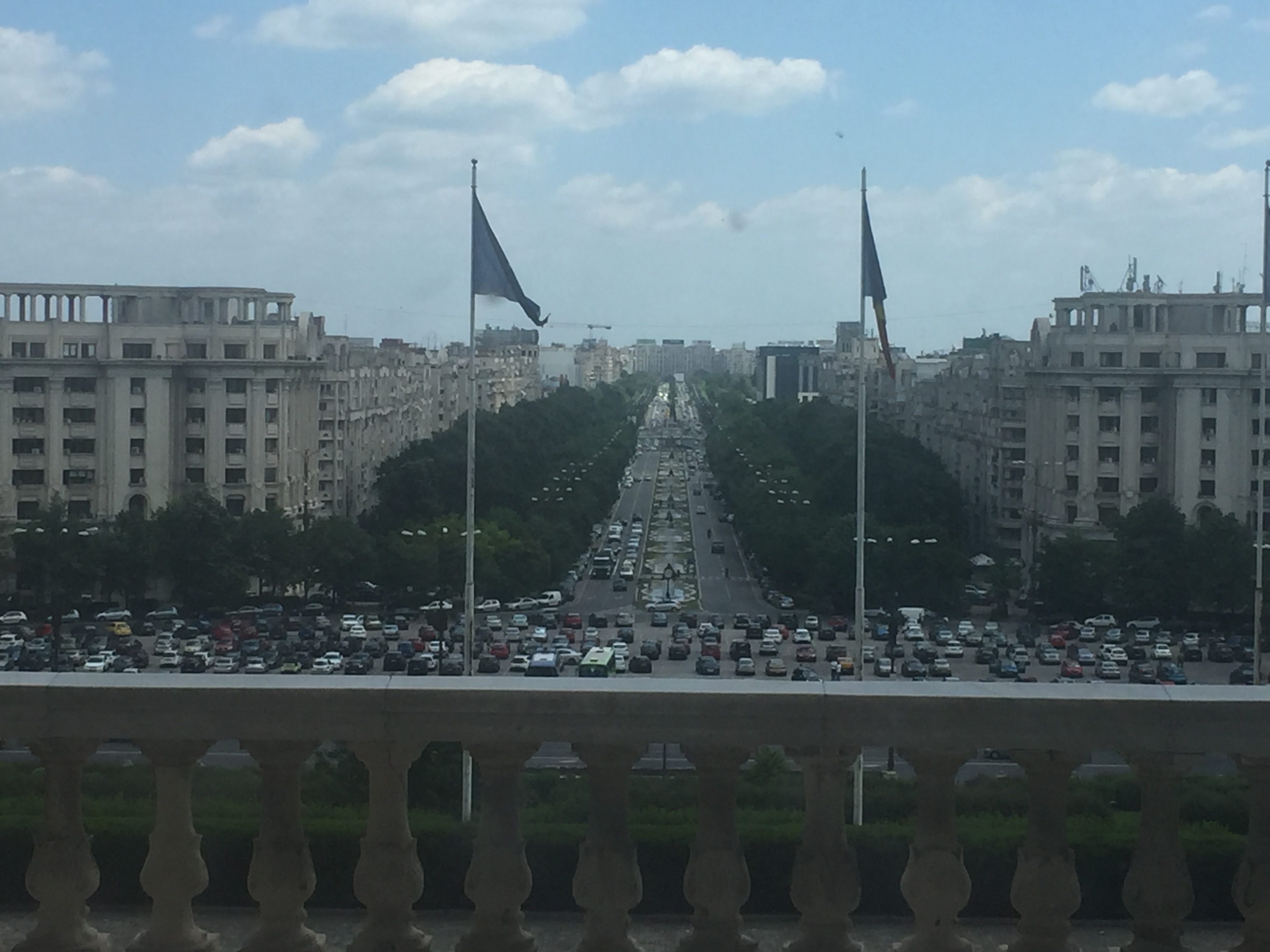
His aides took his words literally and set up a spine in a design similar to the Champs-Elysées, but one meter longer and one meter wider. To accomplish his wish, many homes and public buildings were demolished, and 40,000 families were evacuated from their homes that were to be demolished because they were on the planned route of the boulevard. Homes that were part of the Jewish neighborhood were also removed.
But Ceauşescu did not get to see his entire megalomaniac project completed. He was deposed of in a revolution, and executed about a year before his huge building was completed and inaugurated.
Many travelers who visit Bucharest also continue north into the Carpathian Mountains to explore Transylvania and the Dracula legend, one of Romania's most fascinating cultural and historical regions.
Essential Attractions and Practical Travel Tips
In the city center, there are free walking tours that leave twice every day at one o'clock in the afternoon and six o'clock in the evening. I recommend going to one of these tours and then going back and visiting some of the sites on your own. There are more details on the Internet site: walkaboutfreetours.com .
Every hotel can direct us to local tourism companies offering all kinds of trips for a day or two by bus or private car.
A few "must see" sites to see in town are Gishmigio Park and the Revolution Square, where Ceausescu's career ended during his last speech in 1989.
In Bucharest, there are also many Jewish tourist sites and active synagogues, for which a special article is dedicated to on this site.
Visitors interested in the city's cultural diversity should also explore the rich Jewish heritage sites in Bucharest, including historic synagogues, memorials and community landmarks that reveal another fascinating layer of the Romanian capital.
This Bucharest Travel Guide demonstrates why Romania's capital has become one of the most attractive destinations for Israeli travelers. Whether you come for the architecture, history, affordable prices, vibrant atmosphere, or nearby cultural attractions, Bucharest offers a memorable European experience at exceptional value.
Tips:
- Don’t be tempted to hire Hebrew-speaking tour guides at the airport. They stand at the airport during an Israeli airplane landing, clinging to Israeli tourist families and offering their services. Sometimes, they even board a bus that takes passengers to the hotel, speaking into the microphone and offering their services as if they represent the tourist company that sold you the deal. Before you hire their services, you should know that in the city center, you can find free English guidance services.
Among the many tours, there is also a tour of Jewish Bucharest. Some are free, but most are not, and do charge a fee.
FAQ
Is Bucharest worth visiting for a city break?
Yes. Bucharest combines historic architecture, lively nightlife, excellent restaurants, museums, parks, and affordable prices, making it ideal for a short European getaway.
How many days do you need in Bucharest?
Most visitors can explore the main attractions in two to four days. A longer stay allows time for day trips and a deeper exploration of the city.
What are the best attractions in Bucharest?
Popular attractions include the People's Palace, the Old Town, Revolution Square, Cișmigiu Gardens, museums, and historic churches. Walking through the city center is an attraction in itself.
Is Bucharest expensive for tourists?
Compared with many Western European capitals, Bucharest remains relatively affordable. Hotels, restaurants, transportation, and entertainment often provide excellent value for money.
What is the best time to visit Bucharest?
Spring and autumn usually offer the most comfortable weather for sightseeing. Summer is lively and full of events, while winter attracts visitors looking for seasonal markets and lower prices.
Can you visit Jewish heritage sites in Bucharest?
Yes. Bucharest has synagogues, Jewish museums, memorials, and other sites connected to Romania's Jewish history. Many visitors combine these attractions with the city's major tourist landmarks.